
Introduction to the advantages of South American main keel
2025-04-09
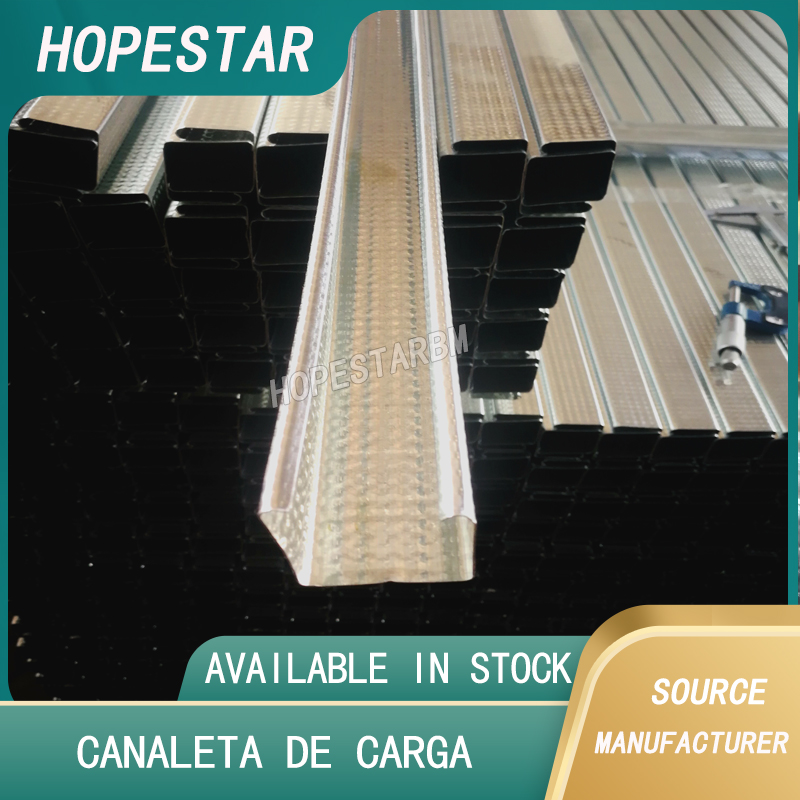
The main keel is a crucial load-bearing component in ceiling systems. The main keel commonly used in the South American market is made of galvanized steel as the main raw material and is precision processed using cold bending forming technology. It has multiple structural and functional advantages and is widely used in ceiling projects such as commercial buildings, residential decoration, and public places.
Firstly, the South American main keel has strong load-bearing capacity and stable structure. In the ceiling system, the main keel is directly connected to the suspension rod and serves as the "skeleton" of the entire ceiling. The commonly used main keels in South America, such as 38 × 12mm and 50 × 19mm, have a wall thickness generally between 0.4-0.6mm and have good bending and compression resistance. They can effectively support decorative surface materials such as gypsum board and mineral wool board, and even in large-span or complex shapes, they can maintain the structure without deformation or sinking.
Secondly, the main keel is produced using high-quality galvanized steel strip, which has excellent corrosion resistance and durability. The climate in many parts of South America is humid and hot, and coastal countries such as Brazil and Peru have high requirements for the moisture and oxidation resistance of materials. The thickness of the zinc layer on the surface of the main keel is usually between 80-120g/㎡, which effectively extends the service life and is suitable for various climatic environments, ensuring the long-term stability of the ceiling structure.
In addition, the main keel has achieved standardized production and efficient installation. Unified specifications, high precision, and strong universality of accessories can be quickly used in conjunction with system components such as hangers, connectors, and secondary keels to improve construction efficiency. In large-scale projects, it can significantly shorten the construction period and reduce labor costs, which is highly welcomed by contractors and construction teams across South America.
Finally, as an environmentally friendly building material, the main keel is green and recyclable, meeting the increasingly high building environmental standards in South America. Its lightweight, high strength, convenient transportation, and low loss rate further enhance its market competitiveness in the field of suspended ceilings.
In summary, the South American main keel has become an irreplaceable and important material in ceiling engineering due to its high structural strength, good anti-corrosion performance, easy installation, and wide adaptability, and will play a greater role in the future development of green buildings.
Firstly, the South American main keel has strong load-bearing capacity and stable structure. In the ceiling system, the main keel is directly connected to the suspension rod and serves as the "skeleton" of the entire ceiling. The commonly used main keels in South America, such as 38 × 12mm and 50 × 19mm, have a wall thickness generally between 0.4-0.6mm and have good bending and compression resistance. They can effectively support decorative surface materials such as gypsum board and mineral wool board, and even in large-span or complex shapes, they can maintain the structure without deformation or sinking.
Secondly, the main keel is produced using high-quality galvanized steel strip, which has excellent corrosion resistance and durability. The climate in many parts of South America is humid and hot, and coastal countries such as Brazil and Peru have high requirements for the moisture and oxidation resistance of materials. The thickness of the zinc layer on the surface of the main keel is usually between 80-120g/㎡, which effectively extends the service life and is suitable for various climatic environments, ensuring the long-term stability of the ceiling structure.
In addition, the main keel has achieved standardized production and efficient installation. Unified specifications, high precision, and strong universality of accessories can be quickly used in conjunction with system components such as hangers, connectors, and secondary keels to improve construction efficiency. In large-scale projects, it can significantly shorten the construction period and reduce labor costs, which is highly welcomed by contractors and construction teams across South America.
Finally, as an environmentally friendly building material, the main keel is green and recyclable, meeting the increasingly high building environmental standards in South America. Its lightweight, high strength, convenient transportation, and low loss rate further enhance its market competitiveness in the field of suspended ceilings.
In summary, the South American main keel has become an irreplaceable and important material in ceiling engineering due to its high structural strength, good anti-corrosion performance, easy installation, and wide adaptability, and will play a greater role in the future development of green buildings.
Advantages of South American Ceiling Light Steel Keel
Metal Corner Bead with Holes
Related Article

Ceiling wall angle, also known as perimeter angle or L-angle, is an indispensable L-shaped metal profile for suspended drywall ceiling systems. Roll-formed from cold-rolled galvanized steel, ceiling wall angle is fixed along the wall perimeter to support the ends of main channels and furring channels,
Ceiling Wall Angle – Galvanized L-Shaped Perimeter Trim for Suspended Drywall Ceilings
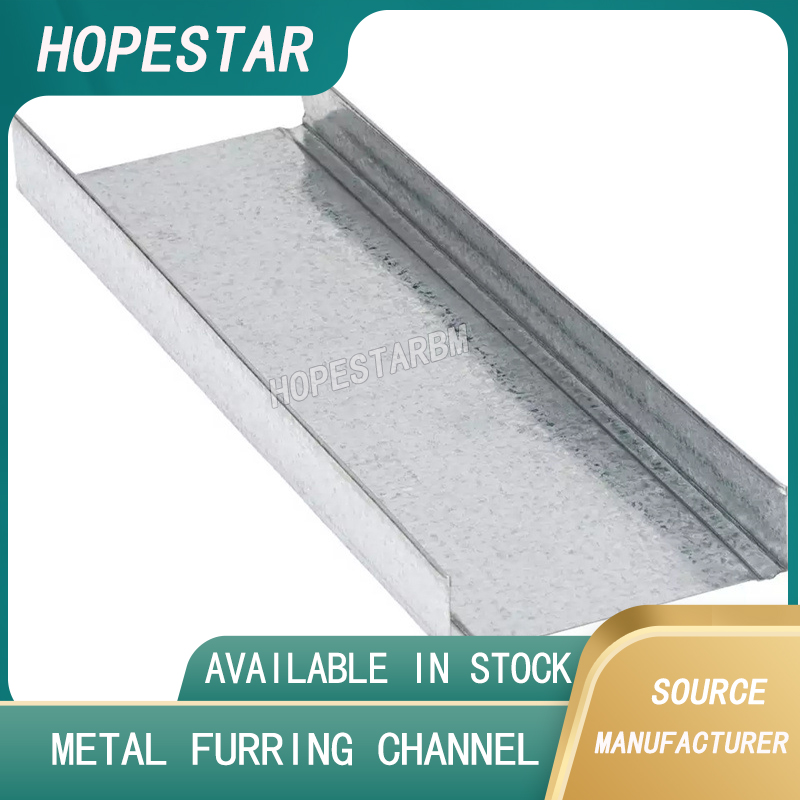
Galvanized steel profiles are the foundational metal framing components widely used in modern interior construction. Roll-formed from cold-rolled steel coated with protective zinc layer, galvanized steel profiles cover a full range of shapes including C studs, U tracks, omega channels,
Galvanized Steel Profiles – Reliable Cold Rolled Framing for Drywall Walls and Ceilings

Metal furring channel for ceiling is a vital secondary framing component widely used in suspended ceiling and drywall ceiling systems. Roll-formed from cold-rolled galvanized steel, this lightweight metal profile works together with main channels, hangers and wall angles to create a level,
Metal Furring Channel for Ceiling – Galvanized Secondary Framing for Suspended Drywall Ceilings

Metal omega channel, also widely called omega furring channel or hat channel, is an indispensable secondary metal framing profile for modern suspended ceilings and drywall wall furring systems. Named after its distinctive Ω shape, this profile is roll-formed from cold-rolled galvanized steel
Metal Omega Channel – Galvanized Omega Furring Channel for Drywall Ceiling and Wall Framing