
Introduction to the advantages and disadvantages of light steel keel
2024-04-01
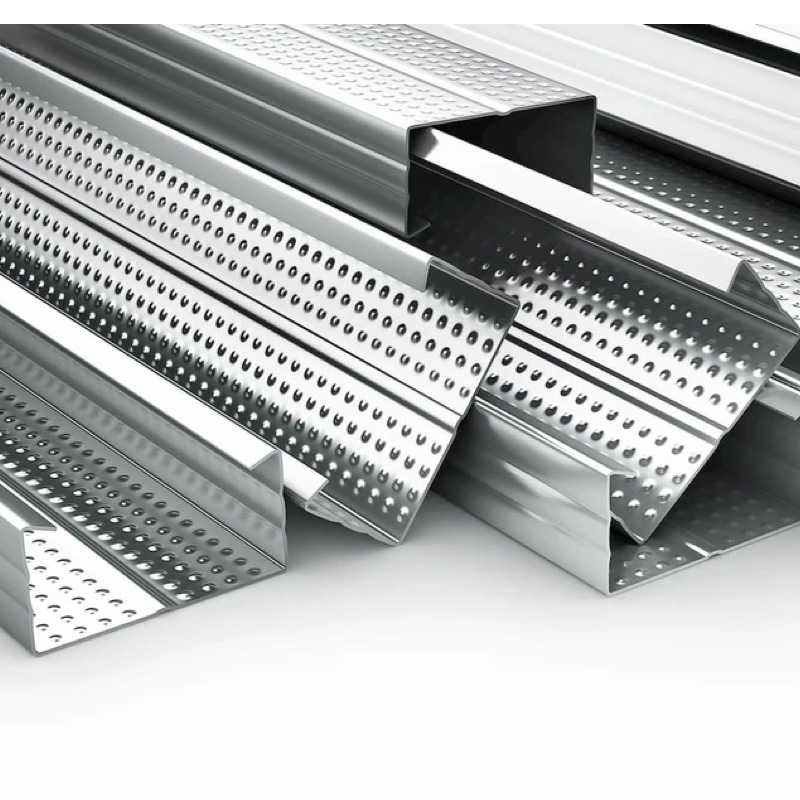
Light steel keel, as a new type of building material, has been widely used in the construction industry in recent years. It stands out in the field of architecture with its unique advantages, but at the same time, there are also some shortcomings that cannot be ignored. Below, we will discuss in detail the advantages and disadvantages of light steel keel, so that readers can better understand this material.
Advantages:
1. Lightweight and High Strength: Light steel keel has the characteristics of lightweight and high strength. Compared to traditional wooden and steel keels, it is lighter in weight but has higher strength. This makes the construction process of light steel keel more convenient and efficient, reduces the labor intensity of workers, and also improves the overall safety of the building.
2. Superior fire resistance: Light steel keel has excellent fire resistance performance, and its fire resistance limit can meet national standards. In the event of a fire, light steel keel can effectively delay the spread of the fire, providing valuable time for people's escape and rescue.
3. Strong seismic performance: Light steel keel has good seismic performance and can effectively resist the energy generated by earthquakes. During earthquakes, light steel keel can effectively reduce the degree of damage to buildings and protect people's lives and property safety.
4. Environmental protection and energy conservation: Light steel keel is made of environmentally friendly materials, and its production process is also relatively energy-saving. In addition, light steel keel also has good thermal insulation performance, which can effectively reduce the energy consumption of buildings and achieve the goal of energy conservation and environmental protection.
5. Easy to process and install: Light steel keel has good plasticity and processing performance, and can be cut, bent, and other processing operations as needed. Meanwhile, the installation of light steel keel is relatively simple and convenient, greatly improving construction efficiency.
Disadvantages:
1. Poor corrosion resistance: Light steel keel is prone to corrosion in humid environments, which affects its service life. Therefore, when using light steel keel, it is necessary to pay attention to moisture-proof measures to prevent corrosion problems from occurring.
2. High cost: Compared to traditional wooden and steel keels, the cost of light steel keels is relatively high. This is mainly due to the high production process and material costs of light steel keel, resulting in its higher price.
3. High construction technology requirements: Although the installation of light steel keel is relatively simple and convenient, there are still certain requirements for construction technology. Construction personnel need to possess certain professional skills and experience to ensure the installation quality and effectiveness of light steel keel.
In summary, light steel keel, as a new type of building material, has advantages such as lightweight and high strength, superior fire resistance, strong seismic resistance, environmental protection and energy conservation, and easy processing and installation. However, it also has disadvantages such as poor corrosion resistance, high cost, and high construction technology requirements. Therefore, when choosing to use light steel keel, it is necessary to comprehensively consider its advantages and disadvantages, and make reasonable decisions based on the actual situation. At the same time, it is also necessary to pay attention to moisture-proof measures and improve the construction technology level during use to ensure the effectiveness and safety of the use of light steel keel.
Advantages:
1. Lightweight and High Strength: Light steel keel has the characteristics of lightweight and high strength. Compared to traditional wooden and steel keels, it is lighter in weight but has higher strength. This makes the construction process of light steel keel more convenient and efficient, reduces the labor intensity of workers, and also improves the overall safety of the building.
2. Superior fire resistance: Light steel keel has excellent fire resistance performance, and its fire resistance limit can meet national standards. In the event of a fire, light steel keel can effectively delay the spread of the fire, providing valuable time for people's escape and rescue.
3. Strong seismic performance: Light steel keel has good seismic performance and can effectively resist the energy generated by earthquakes. During earthquakes, light steel keel can effectively reduce the degree of damage to buildings and protect people's lives and property safety.
4. Environmental protection and energy conservation: Light steel keel is made of environmentally friendly materials, and its production process is also relatively energy-saving. In addition, light steel keel also has good thermal insulation performance, which can effectively reduce the energy consumption of buildings and achieve the goal of energy conservation and environmental protection.
5. Easy to process and install: Light steel keel has good plasticity and processing performance, and can be cut, bent, and other processing operations as needed. Meanwhile, the installation of light steel keel is relatively simple and convenient, greatly improving construction efficiency.
Disadvantages:
1. Poor corrosion resistance: Light steel keel is prone to corrosion in humid environments, which affects its service life. Therefore, when using light steel keel, it is necessary to pay attention to moisture-proof measures to prevent corrosion problems from occurring.
2. High cost: Compared to traditional wooden and steel keels, the cost of light steel keels is relatively high. This is mainly due to the high production process and material costs of light steel keel, resulting in its higher price.
3. High construction technology requirements: Although the installation of light steel keel is relatively simple and convenient, there are still certain requirements for construction technology. Construction personnel need to possess certain professional skills and experience to ensure the installation quality and effectiveness of light steel keel.
In summary, light steel keel, as a new type of building material, has advantages such as lightweight and high strength, superior fire resistance, strong seismic resistance, environmental protection and energy conservation, and easy processing and installation. However, it also has disadvantages such as poor corrosion resistance, high cost, and high construction technology requirements. Therefore, when choosing to use light steel keel, it is necessary to comprehensively consider its advantages and disadvantages, and make reasonable decisions based on the actual situation. At the same time, it is also necessary to pay attention to moisture-proof measures and improve the construction technology level during use to ensure the effectiveness and safety of the use of light steel keel.
Precautions for light steel keel suspended ceiling
How much does the light steel keel ceiling usually cost
Related Article

Ceiling wall angle, also known as perimeter angle or L-angle, is an indispensable L-shaped metal profile for suspended drywall ceiling systems. Roll-formed from cold-rolled galvanized steel, ceiling wall angle is fixed along the wall perimeter to support the ends of main channels and furring channels,
Ceiling Wall Angle – Galvanized L-Shaped Perimeter Trim for Suspended Drywall Ceilings
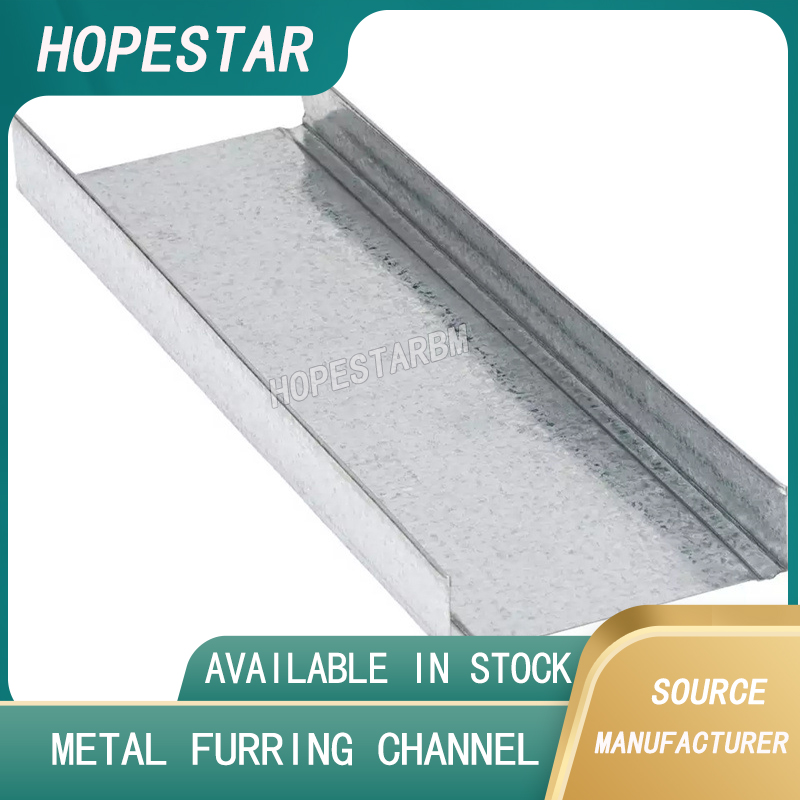
Galvanized steel profiles are the foundational metal framing components widely used in modern interior construction. Roll-formed from cold-rolled steel coated with protective zinc layer, galvanized steel profiles cover a full range of shapes including C studs, U tracks, omega channels,
Galvanized Steel Profiles – Reliable Cold Rolled Framing for Drywall Walls and Ceilings

Metal furring channel for ceiling is a vital secondary framing component widely used in suspended ceiling and drywall ceiling systems. Roll-formed from cold-rolled galvanized steel, this lightweight metal profile works together with main channels, hangers and wall angles to create a level,
Metal Furring Channel for Ceiling – Galvanized Secondary Framing for Suspended Drywall Ceilings

Metal omega channel, also widely called omega furring channel or hat channel, is an indispensable secondary metal framing profile for modern suspended ceilings and drywall wall furring systems. Named after its distinctive Ω shape, this profile is roll-formed from cold-rolled galvanized steel
Metal Omega Channel – Galvanized Omega Furring Channel for Drywall Ceiling and Wall Framing