
Introduction to Australian Light Steel Keel Accessories
2025-04-23
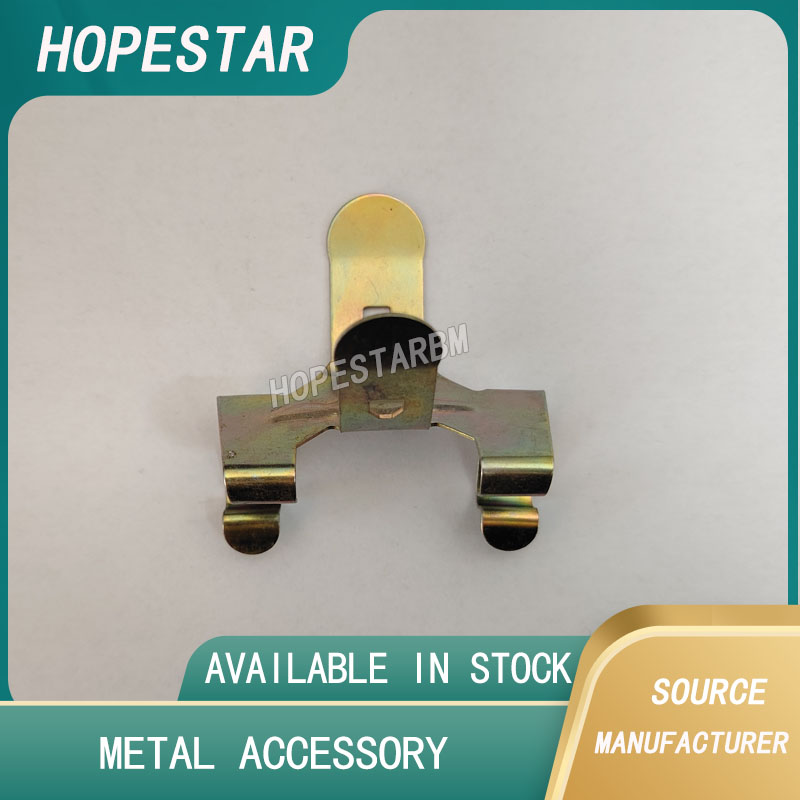
In the Australian building system, light steel keel is an important structural material used for ceilings and partitions, usually used in conjunction with gypsum board to form the indoor dry structural system. Accessories are essential components of the keel system, serving multiple functions such as connection, support, fixation, and shock resistance, ensuring the stability and construction efficiency of the overall structure.
Common accessory types and usage instructions
Firstly, the commonly used accessories for ceiling systems include suspension rods and hanging components. Hangers are used to fix the keel system above the building structure, while hangers are used to firmly connect the main or auxiliary keels to the hangers, playing a role in load-bearing and height adjustment.
Next are connecting accessories, such as keel connectors, docking clips, clamps, etc. These accessories are used to extend the length of the keel or to securely join different shaped keels (such as C-shaped and U-shaped, main and auxiliary keels) together, ensuring the stability and alignment of the entire system.
Next are fixed accessories, such as self tapping screws and drywall screws. Self tapping screws are mainly used for fixing between keels, while drywall screws are used for tight connection between gypsum boards and keels. Screws are mostly made of black phosphorus treated or galvanized materials, which have good anti rust properties.
During the installation process, corner brackets (L-shaped connectors) will also be used to strengthen the structure at the junction of wall corners, ceilings, and walls. In addition, in some partition systems that require seismic or sound insulation performance, seismic clamps with elastic gaskets are also used, which can effectively reduce the propagation of sound and vibration.
For wall structures, wall anchor bolts or expansion screws are also required, which are used to fix U-shaped keels or other components to concrete or brick wall structures, providing strong load-bearing capacity.
Material and surface treatment
Most of the accessories are made of hot-dip galvanized steel, which has excellent corrosion resistance and is particularly suitable for high humidity environments along the coast of Australia. At the same time, some high-end accessories will also be coated with anti rust paint or reinforced with alloy to meet higher durability requirements.
Common accessory types and usage instructions
Firstly, the commonly used accessories for ceiling systems include suspension rods and hanging components. Hangers are used to fix the keel system above the building structure, while hangers are used to firmly connect the main or auxiliary keels to the hangers, playing a role in load-bearing and height adjustment.
Next are connecting accessories, such as keel connectors, docking clips, clamps, etc. These accessories are used to extend the length of the keel or to securely join different shaped keels (such as C-shaped and U-shaped, main and auxiliary keels) together, ensuring the stability and alignment of the entire system.
Next are fixed accessories, such as self tapping screws and drywall screws. Self tapping screws are mainly used for fixing between keels, while drywall screws are used for tight connection between gypsum boards and keels. Screws are mostly made of black phosphorus treated or galvanized materials, which have good anti rust properties.
During the installation process, corner brackets (L-shaped connectors) will also be used to strengthen the structure at the junction of wall corners, ceilings, and walls. In addition, in some partition systems that require seismic or sound insulation performance, seismic clamps with elastic gaskets are also used, which can effectively reduce the propagation of sound and vibration.
For wall structures, wall anchor bolts or expansion screws are also required, which are used to fix U-shaped keels or other components to concrete or brick wall structures, providing strong load-bearing capacity.
Material and surface treatment
Most of the accessories are made of hot-dip galvanized steel, which has excellent corrosion resistance and is particularly suitable for high humidity environments along the coast of Australia. At the same time, some high-end accessories will also be coated with anti rust paint or reinforced with alloy to meet higher durability requirements.
Why Use Drywall Corner Bead?
Colombia Furring Channel Characteristics
Related Article

Ceiling wall angle, also known as perimeter angle or L-angle, is an indispensable L-shaped metal profile for suspended drywall ceiling systems. Roll-formed from cold-rolled galvanized steel, ceiling wall angle is fixed along the wall perimeter to support the ends of main channels and furring channels,
Ceiling Wall Angle – Galvanized L-Shaped Perimeter Trim for Suspended Drywall Ceilings
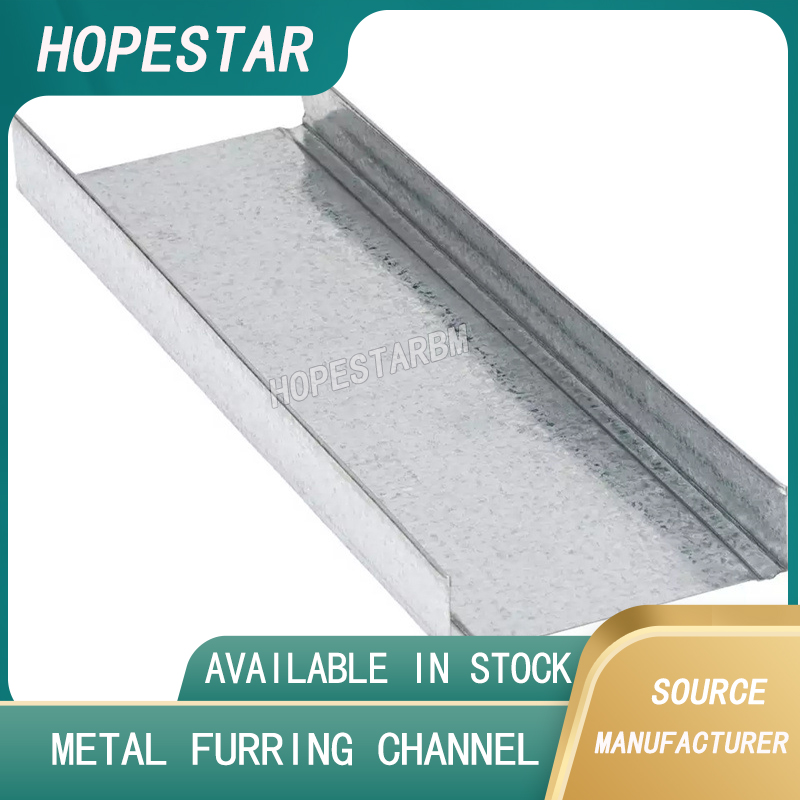
Galvanized steel profiles are the foundational metal framing components widely used in modern interior construction. Roll-formed from cold-rolled steel coated with protective zinc layer, galvanized steel profiles cover a full range of shapes including C studs, U tracks, omega channels,
Galvanized Steel Profiles – Reliable Cold Rolled Framing for Drywall Walls and Ceilings

Metal furring channel for ceiling is a vital secondary framing component widely used in suspended ceiling and drywall ceiling systems. Roll-formed from cold-rolled galvanized steel, this lightweight metal profile works together with main channels, hangers and wall angles to create a level,
Metal Furring Channel for Ceiling – Galvanized Secondary Framing for Suspended Drywall Ceilings

Metal omega channel, also widely called omega furring channel or hat channel, is an indispensable secondary metal framing profile for modern suspended ceilings and drywall wall furring systems. Named after its distinctive Ω shape, this profile is roll-formed from cold-rolled galvanized steel
Metal Omega Channel – Galvanized Omega Furring Channel for Drywall Ceiling and Wall Framing