
Installation method for metal punching edges and corners
2025-05-15
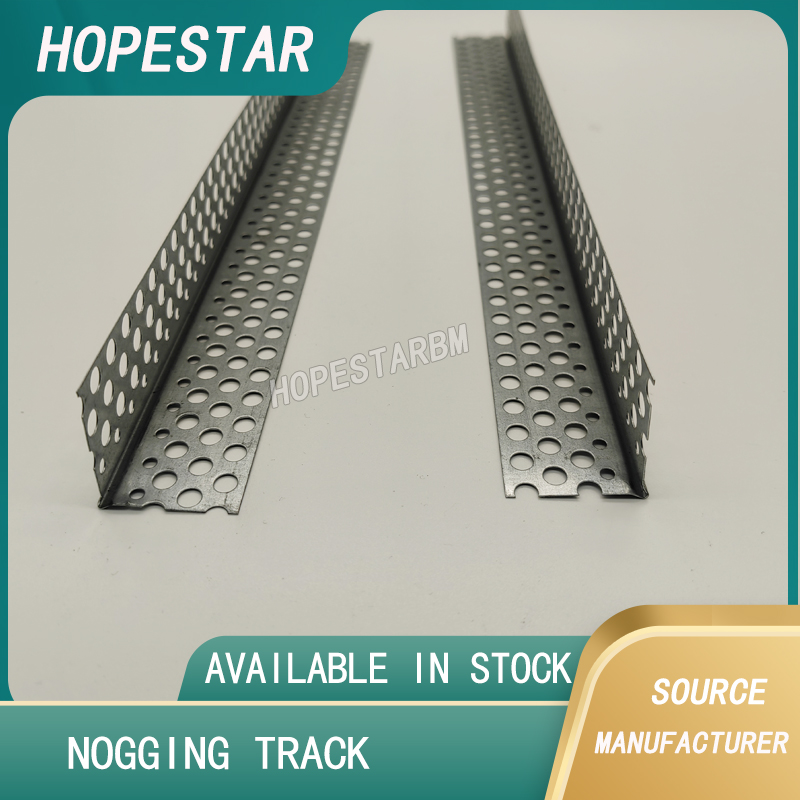
The installation method for punching edges and corners varies depending on their specific purposes (such as decoration, reinforcement, pendant support, etc.) and materials (stainless steel, aluminum alloy, galvanized steel, etc.). The following are the general installation method steps that are suitable for most scenarios:
1. Tools and materials required for installation of metal punching edges and corners:
Electric drill or impact drill
Expansion screws/self tapping screws/rivets (depending on the wall material)
Level ruler or laser level
Ruler, marker pen
Metal punched corner strips
Screwdriver, hammer, saw (if cutting is required)
2. Installation steps for metal punching edges and corners:
Measurement and marking positioning
Mark the installation line of the corner strip with a ruler and level according to the required installation position, ensuring it is straight.
Cut corner strips (if necessary)
Use a cutting saw to cut the metal edge strips into the desired size, paying attention to deburring the edges to avoid scratching.
Positioning drilling
Place the punching edge strip in the designated position, align the punching position, and mark it on the wall or the installed object with a marker pen.
Wall drilling (such as fixing in concrete/brick walls)
Use an electric drill to drill holes at the marked points and install expansion screw sleeves.
Fixed corner strip
Use expansion screws or self tapping screws to fix the punched edges and corners; Rivets can also be used for riveting (such as for sheet metal structures).
Adjustment and Closing
Check whether the installation is firm and flat, and make minor adjustments if necessary; Decorative caps or rust prevention treatments can be added at the end.
3. Precautions:
When decorating indoors, stainless steel or aluminum should be used as much as possible for better anti-corrosion effect.
When used outdoors or in high load structures, thicker edges and corners should be selected and securely fixed.
Pay attention to safety during installation, and wear goggles and gloves when cutting and drilling.
1. Tools and materials required for installation of metal punching edges and corners:
Electric drill or impact drill
Expansion screws/self tapping screws/rivets (depending on the wall material)
Level ruler or laser level
Ruler, marker pen
Metal punched corner strips
Screwdriver, hammer, saw (if cutting is required)
2. Installation steps for metal punching edges and corners:
Measurement and marking positioning
Mark the installation line of the corner strip with a ruler and level according to the required installation position, ensuring it is straight.
Cut corner strips (if necessary)
Use a cutting saw to cut the metal edge strips into the desired size, paying attention to deburring the edges to avoid scratching.
Positioning drilling
Place the punching edge strip in the designated position, align the punching position, and mark it on the wall or the installed object with a marker pen.
Wall drilling (such as fixing in concrete/brick walls)
Use an electric drill to drill holes at the marked points and install expansion screw sleeves.
Fixed corner strip
Use expansion screws or self tapping screws to fix the punched edges and corners; Rivets can also be used for riveting (such as for sheet metal structures).
Adjustment and Closing
Check whether the installation is firm and flat, and make minor adjustments if necessary; Decorative caps or rust prevention treatments can be added at the end.
3. Precautions:
When decorating indoors, stainless steel or aluminum should be used as much as possible for better anti-corrosion effect.
When used outdoors or in high load structures, thicker edges and corners should be selected and securely fixed.
Pay attention to safety during installation, and wear goggles and gloves when cutting and drilling.
What is metal punching edge corner?
How many materials for metal wall corner protection strips ?what are their characteristics?
Related Article

Ceiling wall angle, also known as perimeter angle or L-angle, is an indispensable L-shaped metal profile for suspended drywall ceiling systems. Roll-formed from cold-rolled galvanized steel, ceiling wall angle is fixed along the wall perimeter to support the ends of main channels and furring channels,
Ceiling Wall Angle – Galvanized L-Shaped Perimeter Trim for Suspended Drywall Ceilings
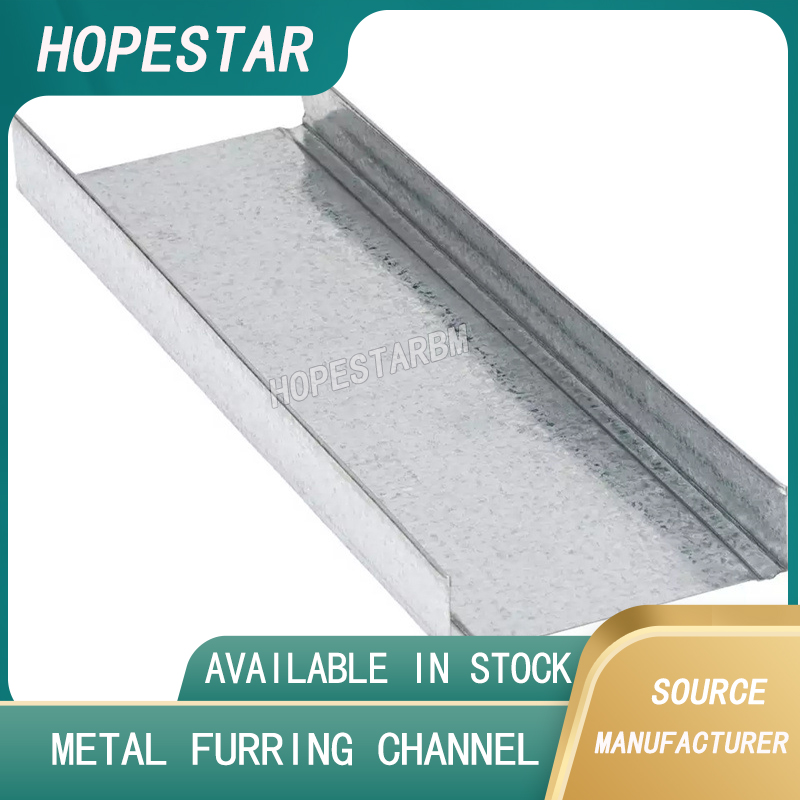
Galvanized steel profiles are the foundational metal framing components widely used in modern interior construction. Roll-formed from cold-rolled steel coated with protective zinc layer, galvanized steel profiles cover a full range of shapes including C studs, U tracks, omega channels,
Galvanized Steel Profiles – Reliable Cold Rolled Framing for Drywall Walls and Ceilings

Metal furring channel for ceiling is a vital secondary framing component widely used in suspended ceiling and drywall ceiling systems. Roll-formed from cold-rolled galvanized steel, this lightweight metal profile works together with main channels, hangers and wall angles to create a level,
Metal Furring Channel for Ceiling – Galvanized Secondary Framing for Suspended Drywall Ceilings

Metal omega channel, also widely called omega furring channel or hat channel, is an indispensable secondary metal framing profile for modern suspended ceilings and drywall wall furring systems. Named after its distinctive Ω shape, this profile is roll-formed from cold-rolled galvanized steel
Metal Omega Channel – Galvanized Omega Furring Channel for Drywall Ceiling and Wall Framing