How to Choose the Right Steel Stud Size for Interior Partition Walls
Selecting the correct steel stud size is one of the most important steps in building durable and stable interior partition walls. Whether for commercial buildings, offices, hotels, or residential spaces, the right steel stud framing system can improve wall strength, sound insulation, and installation efficiency. Choosing the wrong stud size may lead to structural instability, drywall cracking, or increased construction costs. Understanding the common steel stud sizes and their applications can help contractors and builders make better decisions for modern construction projects.
What Is a Steel Stud?
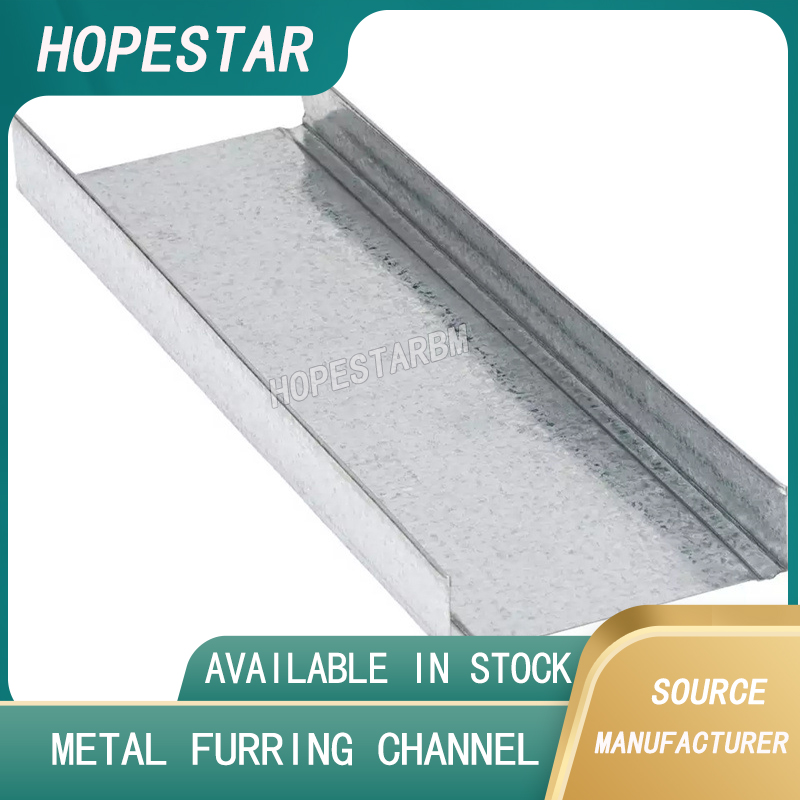
A steel stud is a galvanized metal framing component used to support drywall partition walls and ceiling systems. Compared with traditional wood framing, steel studs offer better fire resistance, moisture protection, and dimensional stability. They are lightweight, easy to install, and suitable for a wide range of interior construction applications.
Steel studs are commonly available in different widths, gauges, and lengths. The most suitable size depends on the wall height, load requirements, insulation needs, and project type.
Common Steel Stud Sizes
1. 1 5/8 Inch Steel Stud
This is one of the smallest steel stud sizes and is mainly used for lightweight partition walls, furring systems, and ceiling framing. It is suitable for areas where space-saving design is important.
2. 2 1/2 Inch Steel Stud
The 2 1/2 inch steel stud is commonly used for interior non-load-bearing partition walls in offices, apartments, and commercial buildings. It provides a balance between strength and space efficiency.
3. 3 5/8 Inch Steel Stud
This is one of the most widely used sizes for drywall partition walls. It offers better strength and sound insulation performance, making it ideal for hotels, schools, hospitals, and office buildings.
4. 6 Inch Steel Stud
Larger steel stud sizes such as 6 inch studs are used for taller walls, high-traffic commercial areas, or projects requiring additional insulation and structural support.
Factors to Consider When Choosing Steel Stud Size
Wall Height
Taller walls require stronger and wider steel studs to maintain stability. Thin studs may bend or flex under pressure if the wall height exceeds recommended limits.
Load Requirements
If the partition wall will support cabinets, televisions, doors, or heavy equipment, thicker gauge steel studs are recommended for additional strength.
Sound Insulation
For hotels, offices, conference rooms, and residential apartments, wider steel studs allow more insulation material inside the wall cavity, improving acoustic performance.
Moisture and Fire Resistance
Galvanized steel studs are highly resistant to moisture and corrosion, making them suitable for kitchens, bathrooms, and humid environments. They also provide better fire resistance than traditional wood studs.
Building Codes and Project Standards
Always check local building regulations and project specifications before selecting steel stud sizes. Different construction projects may require specific framing standards.
Conclusion
Choosing the right steel stud size for interior partition walls is essential for ensuring safety, durability, and construction efficiency. From lightweight partition systems to heavy-duty commercial walls, steel studs are available in various sizes to meet different project requirements. By considering wall height, load capacity, sound insulation, and environmental conditions, builders can select the most suitable steel stud framing solution for long-lasting and high-quality interior construction.
What Is a Drywall Furring Channel?Main Benefits of Drywall Furring Channel
What Is a Steel Stud? Benefits and Applications in Modern Construction
Related Article