
How to choose different types of Australian light steel keel
2024-05-15
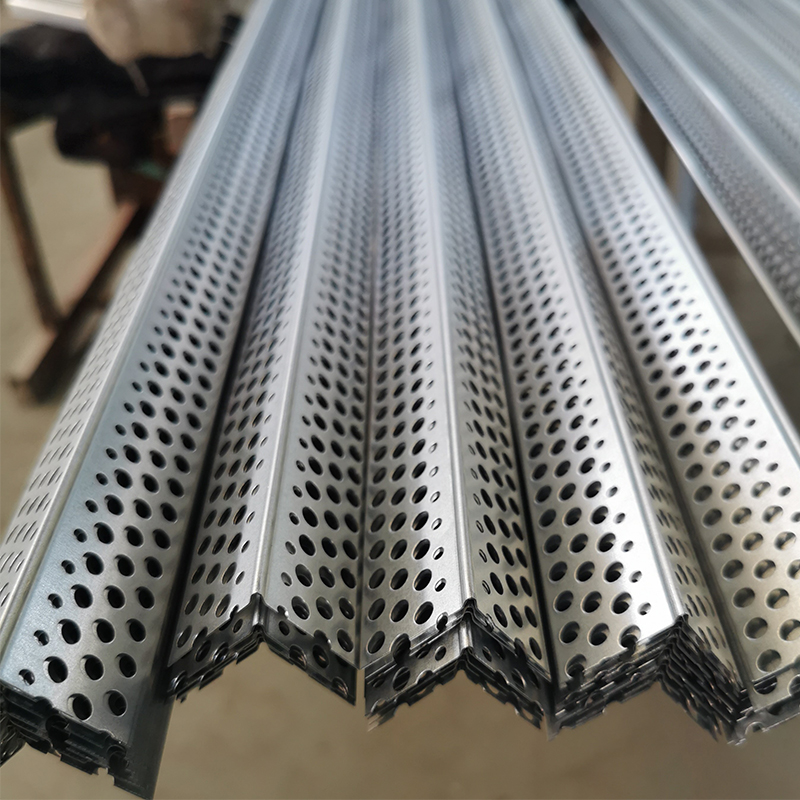
Nowadays, the construction industry can be said to have seen a rise in popularity, and professional architects should know that there is a keel in all buildings. The so-called keel is actually an indispensable presence in architecture and is very important. So what exactly is the keel in a building? I believe many friends still don't quite understand, so let's take a closer look together.
Keel is a commonly used material in home decoration, mainly used to support and fix structures, which is related to the stability, safety, and aesthetic appearance of the structure. Paving such as suspended ceilings cannot do without keel. So what are the types of keels? How should one choose? Let's take a look together.
1、 Introduction to Keel Knowledge
1. The function of a keel is to support the shape and fix the structure of a building material. It is the skeleton of many decorations, shapes, facades, floors, or roofs in a home, which supports and fixes these structures.
2. Common classification of keel
(1) According to the different materials used for production, keel can be divided into various types such as wooden keel, light steel keel, aluminum alloy keel, steel keel, etc. Among them, wooden keel and light steel keel are currently two widely used keel materials. Therefore, in this article, we will focus on introducing the characteristics and selection and installation of these two materials.
(3) According to the location of use, it can also be divided into ceiling keel, vertical wall keel, floor keel, and suspension keel. Different parts have varying requirements for the keel.
(4) According to different construction techniques, there are also load-bearing and non load-bearing keels, such as manned keels and non manned keels.
(5) The specifications and shapes of each type of keel vary greatly, and the variety of keels is dazzling* For light steel keel, there are T-shaped, C-shaped, U-shaped, L-shaped keels, etc. according to their models, specifications, and uses. There may be differences in the installation of different specifications of keel.
Since that's the case, how can we choose a good manufacturer? In this regard, the industry suggests that there are three aspects of analysis that can help students make choices:
Firstly, take a look at their company's production experience.
Generally speaking, the more experienced a company is in production and life, the more guaranteed the quality of our products and services.
2、 Understand their company's construction cases.
The more construction cases there are, the more reliable the product quality is.
Thirdly, the company's delivery speed.
Delivery speed is also a reflection of a company's strength. Therefore, those who can ensure product quality and manufacturers who deliver within the specified time are our choice goals, because this can ensure our construction time and enjoy high-quality services.
Keel is a commonly used material in home decoration, mainly used to support and fix structures, which is related to the stability, safety, and aesthetic appearance of the structure. Paving such as suspended ceilings cannot do without keel. So what are the types of keels? How should one choose? Let's take a look together.
1、 Introduction to Keel Knowledge
1. The function of a keel is to support the shape and fix the structure of a building material. It is the skeleton of many decorations, shapes, facades, floors, or roofs in a home, which supports and fixes these structures.
2. Common classification of keel
(1) According to the different materials used for production, keel can be divided into various types such as wooden keel, light steel keel, aluminum alloy keel, steel keel, etc. Among them, wooden keel and light steel keel are currently two widely used keel materials. Therefore, in this article, we will focus on introducing the characteristics and selection and installation of these two materials.
(3) According to the location of use, it can also be divided into ceiling keel, vertical wall keel, floor keel, and suspension keel. Different parts have varying requirements for the keel.
(4) According to different construction techniques, there are also load-bearing and non load-bearing keels, such as manned keels and non manned keels.
(5) The specifications and shapes of each type of keel vary greatly, and the variety of keels is dazzling* For light steel keel, there are T-shaped, C-shaped, U-shaped, L-shaped keels, etc. according to their models, specifications, and uses. There may be differences in the installation of different specifications of keel.
Since that's the case, how can we choose a good manufacturer? In this regard, the industry suggests that there are three aspects of analysis that can help students make choices:
Firstly, take a look at their company's production experience.
Generally speaking, the more experienced a company is in production and life, the more guaranteed the quality of our products and services.
2、 Understand their company's construction cases.
The more construction cases there are, the more reliable the product quality is.
Thirdly, the company's delivery speed.
Delivery speed is also a reflection of a company's strength. Therefore, those who can ensure product quality and manufacturers who deliver within the specified time are our choice goals, because this can ensure our construction time and enjoy high-quality services.
The correct construction process of light steel keel suspended ceiling
Which is better, wooden keel or light steel keel
Related Article

Ceiling wall angle, also known as perimeter angle or L-angle, is an indispensable L-shaped metal profile for suspended drywall ceiling systems. Roll-formed from cold-rolled galvanized steel, ceiling wall angle is fixed along the wall perimeter to support the ends of main channels and furring channels,
Ceiling Wall Angle – Galvanized L-Shaped Perimeter Trim for Suspended Drywall Ceilings
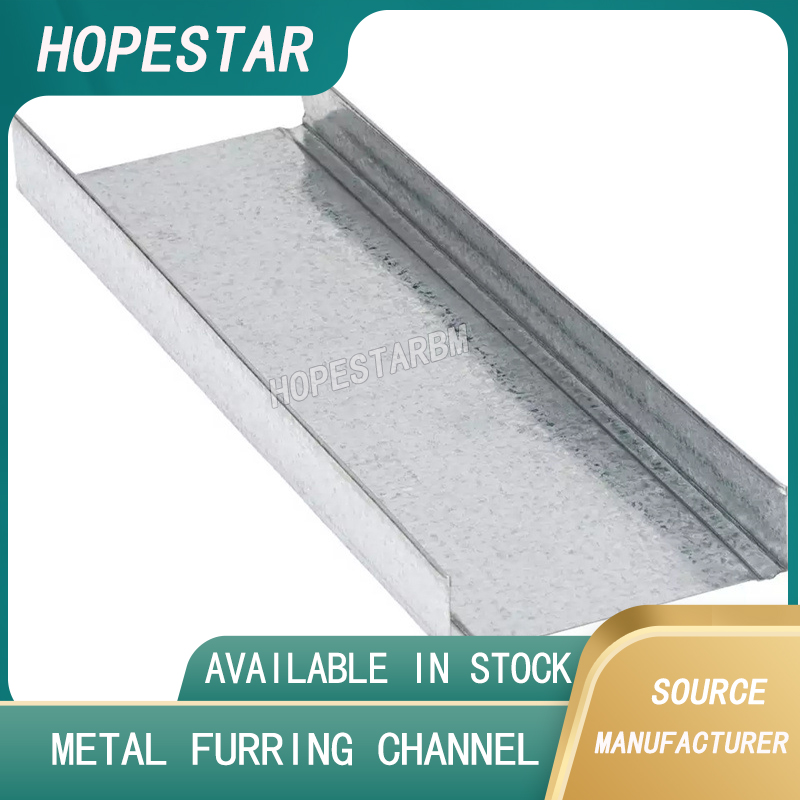
Galvanized steel profiles are the foundational metal framing components widely used in modern interior construction. Roll-formed from cold-rolled steel coated with protective zinc layer, galvanized steel profiles cover a full range of shapes including C studs, U tracks, omega channels,
Galvanized Steel Profiles – Reliable Cold Rolled Framing for Drywall Walls and Ceilings

Metal furring channel for ceiling is a vital secondary framing component widely used in suspended ceiling and drywall ceiling systems. Roll-formed from cold-rolled galvanized steel, this lightweight metal profile works together with main channels, hangers and wall angles to create a level,
Metal Furring Channel for Ceiling – Galvanized Secondary Framing for Suspended Drywall Ceilings

Metal omega channel, also widely called omega furring channel or hat channel, is an indispensable secondary metal framing profile for modern suspended ceilings and drywall wall furring systems. Named after its distinctive Ω shape, this profile is roll-formed from cold-rolled galvanized steel
Metal Omega Channel – Galvanized Omega Furring Channel for Drywall Ceiling and Wall Framing