
Hot Dipped Galvanized Steel C
2024-06-13
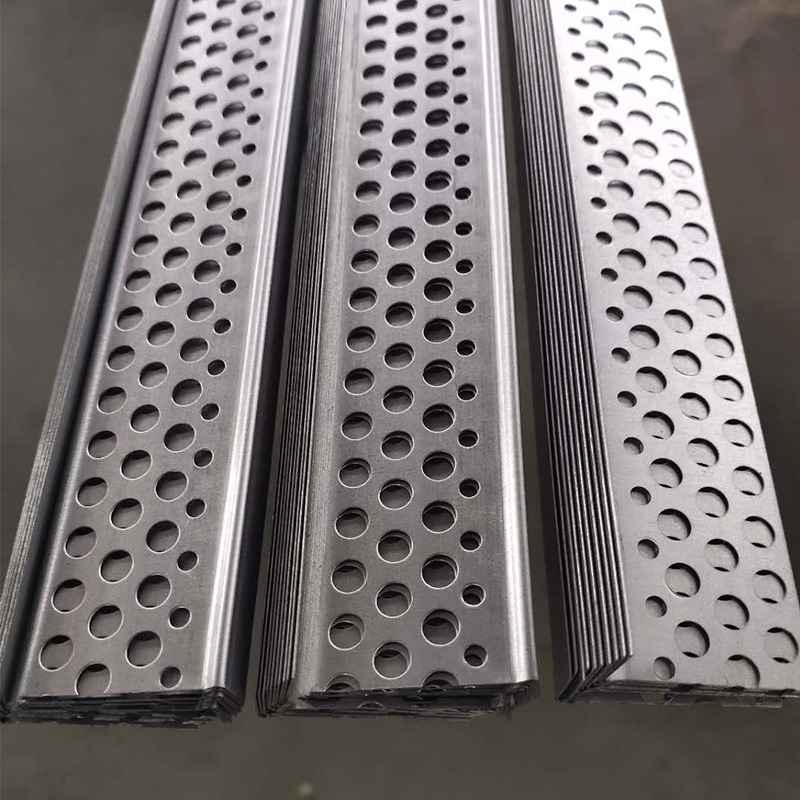
In the modern industrial field, Hot Dipped Galvanized Steel C has become an indispensable and important material due to its unique performance and wide range of applications. This article will provide an in-depth analysis and exploration of the preparation process, physical properties, application fields, and future development prospects of Hot Dipped Galvanized Steel C.
Firstly, let's learn about the preparation process of Hot Dipped Galvanized Steel C. The preparation process of this type of steel mainly includes steps such as raw material preparation, pickling, phosphating, wire drawing, and hot-dip galvanizing. The raw materials are selected from high-quality medium carbon steel or high carbon steel, and strict quality control is carried out to ensure that the initial performance of the steel meets the standards. Subsequently, the steel undergoes acid pickling and phosphating treatment to remove surface oxides and impurities, providing a good foundation for the subsequent hot-dip galvanizing process. The wire drawing process enables the steel to reach the required size and shape, providing convenience for subsequent processing and application. Finally, the steel is subjected to hot-dip galvanizing treatment in the melted zinc solution, forming a strong zinc coating that gives the steel excellent corrosion resistance.
The physical properties of Hot Dipped Galvanized Steel C are one of the important reasons for its widespread application. This type of steel has excellent corrosion resistance and can be used in harsh environments for a long time without easily rusting. In addition, it also has good toughness, elasticity, and tensile strength, which can meet the needs of various complex application scenarios. These physical properties make Hot Dipped Galvanized Steel C have broad application prospects in fields such as communication, power, and construction.
In communication systems, Hot Dipped Galvanized Steel C is widely used in transmission lines such as telegraphy, telephone, wired broadcasting, and signal transmission. Due to its excellent corrosion resistance, this steel can resist the erosion of harsh weather and environment, ensuring the stability and reliability of communication lines. In the power system, Hot Dipped Galvanized Steel C is often used for armor of cables with severe line corrosion due to its good corrosion resistance, large and thick zinc layer, in order to improve the service life and safety of the cables.
In the field of architecture, Hot Dipped Galvanized Steel C also plays an important role. It can be used as a building outer panel, roof material, and structural steel. Due to its excellent corrosion resistance and strength, it can resist wind and rain erosion and heavy load pressure, ensuring the safety and stability of buildings. In addition, Hot Dipped Galvanized Steel C can also be used to manufacture various fasteners and connectors, providing convenience for the construction and maintenance of buildings.
In addition to the above application areas, Hot Dipped Galvanized Steel C is also widely used in industries such as automobiles, ships, and home appliances. For example, in automobile manufacturing, this type of steel can be used to manufacture body structures and chassis components, improving the corrosion resistance and safety of automobiles; In shipbuilding, it can be used to manufacture ship structures and decks to resist the erosion of seawater and the impact of the marine environment; In home appliance manufacturing, Hot Dipped Galvanized Steel C can be used to manufacture shells and internal structural components, improving the service life and appearance quality of home appliance products.
However, despite the many advantages and wide application areas of Hot Dipped Galvanized Steel C, there are still some issues that need to be noted in practical applications. For example, during the preparation process, it is necessary to strictly control the temperature and time of hot-dip galvanizing to ensure the uniformity and thickness of the zinc coating; During use, it is important to avoid external forces such as scratches and impacts to prevent damage to the zinc coating and rusting of the steel.
Looking ahead to the future, with the continuous progress of technology and the acceleration of industrialization, the demand for Hot Dipped Galvanized Steel C will continue to grow. At the same time, with the improvement of environmental awareness and the deepening of sustainable development concepts, higher requirements have been put forward for the environmental performance and resource utilization efficiency of steel. Therefore, in the future, the production and application of Hot Dipped Galvanized Steel C will pay more attention to environmental protection and energy conservation, promoting the green and sustainable development of the steel industry.
In summary, Hot Dipped Galvanized Steel C plays a crucial role in modern industry due to its unique preparation process, excellent physical properties, and wide range of applications. With the continuous advancement of technology and the expansion of application fields, the development prospects of Hot Dipped Galvanized Steel C will be even broader, making greater contributions to industrial production and the progress of human society.
What is drywall furring channel or hat channel?
Furring channel sizes chart
Related Article

Ceiling wall angle, also known as perimeter angle or L-angle, is an indispensable L-shaped metal profile for suspended drywall ceiling systems. Roll-formed from cold-rolled galvanized steel, ceiling wall angle is fixed along the wall perimeter to support the ends of main channels and furring channels,
Ceiling Wall Angle – Galvanized L-Shaped Perimeter Trim for Suspended Drywall Ceilings
Galvanized steel profiles are the foundational metal framing components widely used in modern interior construction. Roll-formed from cold-rolled steel coated with protective zinc layer, galvanized steel profiles cover a full range of shapes including C studs, U tracks, omega channels,
Galvanized Steel Profiles – Reliable Cold Rolled Framing for Drywall Walls and Ceilings

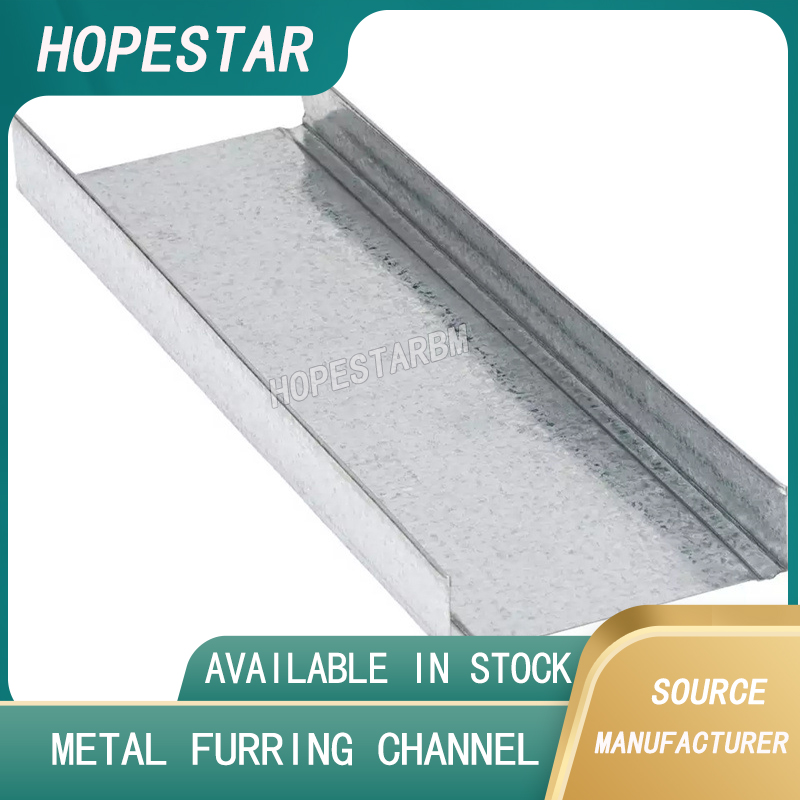
Metal furring channel for ceiling is a vital secondary framing component widely used in suspended ceiling and drywall ceiling systems. Roll-formed from cold-rolled galvanized steel, this lightweight metal profile works together with main channels, hangers and wall angles to create a level,
Metal Furring Channel for Ceiling – Galvanized Secondary Framing for Suspended Drywall Ceilings

Metal omega channel, also widely called omega furring channel or hat channel, is an indispensable secondary metal framing profile for modern suspended ceilings and drywall wall furring systems. Named after its distinctive Ω shape, this profile is roll-formed from cold-rolled galvanized steel
Metal Omega Channel – Galvanized Omega Furring Channel for Drywall Ceiling and Wall Framing