
hat channel soundproofing
2024-06-17
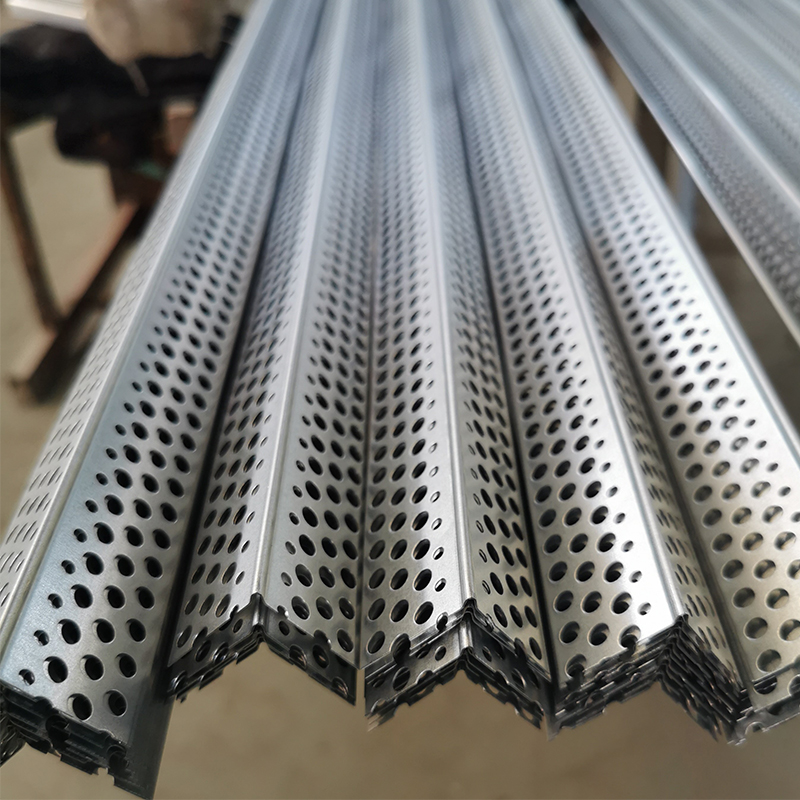
When seeking to create a quiet and comfortable living environment, many people encounter various noise problems, one of which is the noise from upstairs, especially the hat channel sound transmitted through the ceiling and floor. To address this issue, hat channel soundproofing has become the preferred solution for many households and commercial spaces. This article will explore in detail the principles, methods, and implementation precautions of hat channel soundproofing, helping readers better understand and apply this technology.
Firstly, we need to understand the basic principles of hat channel soundproofing. The sound insulation of the ceiling is mainly achieved by adding sound insulation materials inside the ceiling to reduce or eliminate the propagation of sound. These soundproofing materials can effectively absorb and isolate sound waves, thereby achieving the goal of noise reduction. When implementing ceiling sound insulation, we also need to consider the propagation path and characteristics of sound in order to more effectively reduce noise.
When choosing ceiling soundproofing materials, we need to pay attention to the soundproofing performance, environmental friendliness, durability, and construction convenience of the materials. Common ceiling sound insulation materials include sound insulation cotton, sound insulation felt, sound insulation board, etc. These materials each have their own advantages and disadvantages, and they need to be selected according to the actual situation. For example, soundproof cotton has good sound absorption performance, but may be difficult to construct; And soundproof panels have higher sound insulation effect and better durability, but the cost may be higher.
Next, we will explore the construction method of ceiling sound insulation. Firstly, it is necessary to determine the structure and sound insulation requirements of the ceiling in order to select appropriate sound insulation materials and solutions. Then, the construction of the ceiling and the installation of sound insulation materials shall be carried out in accordance with the construction specifications. During the construction process, attention should be paid to the splicing and sealing of materials to prevent sound from being transmitted through gaps. In addition, the sound insulation of the ceiling also needs to consider the load-bearing capacity and safety of the ceiling to ensure construction quality and safety.
When implementing ceiling sound insulation, we also need to pay attention to some precautions. Firstly, ceiling sound insulation is not a one-time solution, and over time and with the aging of materials, the sound insulation effect may gradually decrease. Therefore, we need to regularly inspect and maintain the ceiling sound insulation system to ensure its long-term effectiveness. Secondly, the sound insulation of the ceiling needs to be combined with other noise reduction measures to achieve better results. For example, auxiliary materials such as soundproof curtains or carpets can be installed below the ceiling to further reduce the transmission of sound.
In addition, the implementation of ceiling sound insulation also needs to consider cost issues. Although ceiling sound insulation can effectively reduce noise, its cost may be higher. Therefore, before deciding to implement ceiling sound insulation, we need to conduct sufficient budgeting and evaluation to ensure a reasonable return on investment. At the same time, we can also seek professional ceiling sound insulation service providers for consultation and quotation, in order to choose the most cost-effective solution.
Finally, we need to recognize that ceiling sound insulation is not a universal solution. In some cases, such as neighbors upstairs frequently engaging in high noise activities or building structures with inherent sound insulation defects, ceiling sound insulation may not be able to completely eliminate noise. In this situation, we need to communicate and negotiate with neighbors or property management to seek more comprehensive solutions.
In summary, hat channel soundproofing is an effective ceiling soundproofing solution that can help us create a quiet and comfortable living environment. When implementing ceiling sound insulation, we need to choose appropriate sound insulation materials, follow construction standards, pay attention to maintenance and upkeep, and combine them with other noise reduction measures to achieve the best sound insulation effect. At the same time, we also need to recognize the limitations and cost issues of ceiling sound insulation in order to make wise decisions.
Firstly, we need to understand the basic principles of hat channel soundproofing. The sound insulation of the ceiling is mainly achieved by adding sound insulation materials inside the ceiling to reduce or eliminate the propagation of sound. These soundproofing materials can effectively absorb and isolate sound waves, thereby achieving the goal of noise reduction. When implementing ceiling sound insulation, we also need to consider the propagation path and characteristics of sound in order to more effectively reduce noise.
When choosing ceiling soundproofing materials, we need to pay attention to the soundproofing performance, environmental friendliness, durability, and construction convenience of the materials. Common ceiling sound insulation materials include sound insulation cotton, sound insulation felt, sound insulation board, etc. These materials each have their own advantages and disadvantages, and they need to be selected according to the actual situation. For example, soundproof cotton has good sound absorption performance, but may be difficult to construct; And soundproof panels have higher sound insulation effect and better durability, but the cost may be higher.
Next, we will explore the construction method of ceiling sound insulation. Firstly, it is necessary to determine the structure and sound insulation requirements of the ceiling in order to select appropriate sound insulation materials and solutions. Then, the construction of the ceiling and the installation of sound insulation materials shall be carried out in accordance with the construction specifications. During the construction process, attention should be paid to the splicing and sealing of materials to prevent sound from being transmitted through gaps. In addition, the sound insulation of the ceiling also needs to consider the load-bearing capacity and safety of the ceiling to ensure construction quality and safety.
When implementing ceiling sound insulation, we also need to pay attention to some precautions. Firstly, ceiling sound insulation is not a one-time solution, and over time and with the aging of materials, the sound insulation effect may gradually decrease. Therefore, we need to regularly inspect and maintain the ceiling sound insulation system to ensure its long-term effectiveness. Secondly, the sound insulation of the ceiling needs to be combined with other noise reduction measures to achieve better results. For example, auxiliary materials such as soundproof curtains or carpets can be installed below the ceiling to further reduce the transmission of sound.
In addition, the implementation of ceiling sound insulation also needs to consider cost issues. Although ceiling sound insulation can effectively reduce noise, its cost may be higher. Therefore, before deciding to implement ceiling sound insulation, we need to conduct sufficient budgeting and evaluation to ensure a reasonable return on investment. At the same time, we can also seek professional ceiling sound insulation service providers for consultation and quotation, in order to choose the most cost-effective solution.
Finally, we need to recognize that ceiling sound insulation is not a universal solution. In some cases, such as neighbors upstairs frequently engaging in high noise activities or building structures with inherent sound insulation defects, ceiling sound insulation may not be able to completely eliminate noise. In this situation, we need to communicate and negotiate with neighbors or property management to seek more comprehensive solutions.
In summary, hat channel soundproofing is an effective ceiling soundproofing solution that can help us create a quiet and comfortable living environment. When implementing ceiling sound insulation, we need to choose appropriate sound insulation materials, follow construction standards, pay attention to maintenance and upkeep, and combine them with other noise reduction measures to achieve the best sound insulation effect. At the same time, we also need to recognize the limitations and cost issues of ceiling sound insulation in order to make wise decisions.
What is the Difference between a Hat Channel and a Resilient Channel?
aluminum furring channel
Related Article

Ceiling wall angle, also known as perimeter angle or L-angle, is an indispensable L-shaped metal profile for suspended drywall ceiling systems. Roll-formed from cold-rolled galvanized steel, ceiling wall angle is fixed along the wall perimeter to support the ends of main channels and furring channels,
Ceiling Wall Angle – Galvanized L-Shaped Perimeter Trim for Suspended Drywall Ceilings
Galvanized steel profiles are the foundational metal framing components widely used in modern interior construction. Roll-formed from cold-rolled steel coated with protective zinc layer, galvanized steel profiles cover a full range of shapes including C studs, U tracks, omega channels,
Galvanized Steel Profiles – Reliable Cold Rolled Framing for Drywall Walls and Ceilings

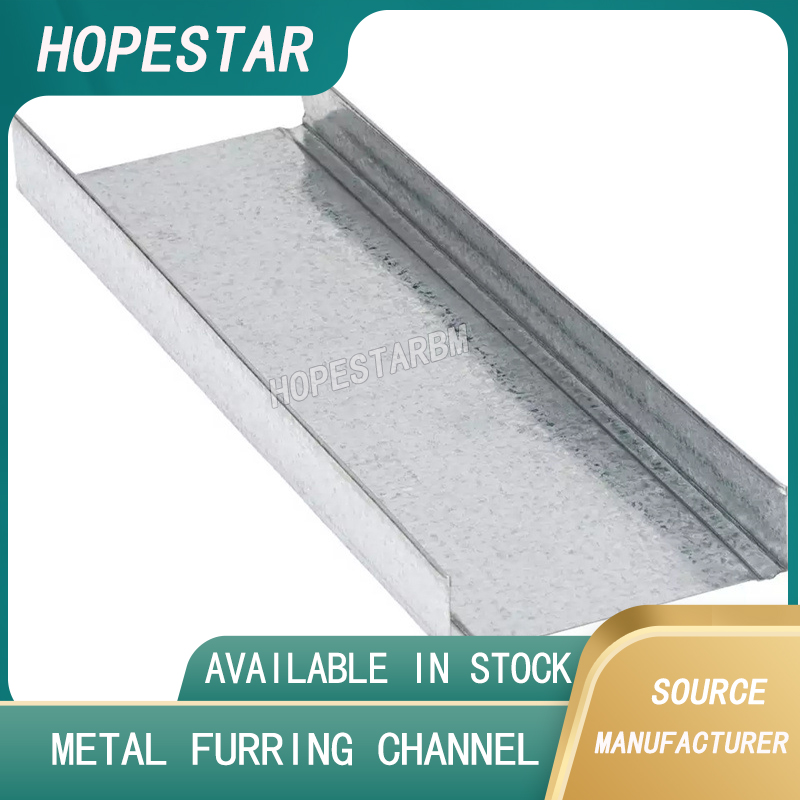
Metal furring channel for ceiling is a vital secondary framing component widely used in suspended ceiling and drywall ceiling systems. Roll-formed from cold-rolled galvanized steel, this lightweight metal profile works together with main channels, hangers and wall angles to create a level,
Metal Furring Channel for Ceiling – Galvanized Secondary Framing for Suspended Drywall Ceilings

Metal omega channel, also widely called omega furring channel or hat channel, is an indispensable secondary metal framing profile for modern suspended ceilings and drywall wall furring systems. Named after its distinctive Ω shape, this profile is roll-formed from cold-rolled galvanized steel
Metal Omega Channel – Galvanized Omega Furring Channel for Drywall Ceiling and Wall Framing