
Hat channel for metal builds
2024-05-23
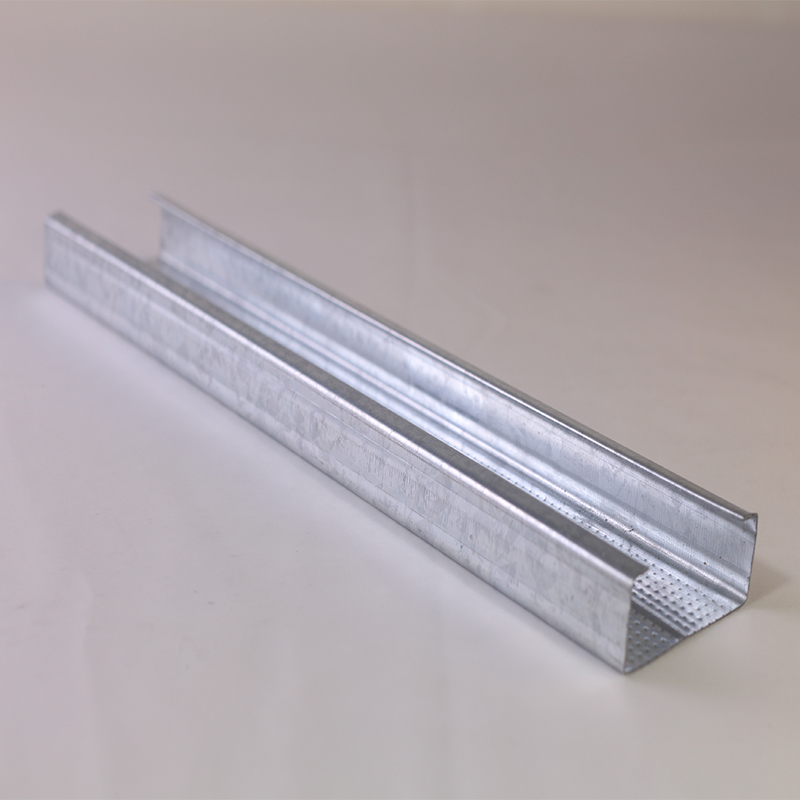
In the construction industry, Hat Channel, as an important metal structural material, is widely used in various construction projects. It provides excellent load-bearing capacity and stability for metal buildings with its unique shape and performance. This article will delve into the application and advantages of Hat Channel in metal architecture.
Hat Channel, also known as cap shaped steel, is a type of steel with a cross-sectional shape similar to the English letter "H". Its unique design, with parallel upper and lower flanges and connected middle web plates, gives it excellent stress performance. The material of Hat Channel is mostly carbon steel or stainless steel, which makes it have good corrosion resistance and durability. In the field of architecture, Hat Channel is favored for its lightweight, high strength, and easy processing characteristics.
The development of metal building technology has driven the widespread application of Hat Channel. Metal building technology has become an important choice for modern architecture due to its lightweight and strong load-bearing capacity. As a key component of metal architecture, Hat Channel's unique cross-sectional shape enables it to withstand significant lateral and longitudinal loads, providing stable support for the building. In addition, Hat Channel also has good seismic performance and can maintain structural integrity in natural disasters such as earthquakes.
In the design of metal buildings, the application of Hat Channel makes the architectural forms more diverse. Designers can adjust the size and shape of Hat Channel as needed to achieve different architectural effects. For example, in large-span cable-stayed structures, Hat Channel can serve as a support point for the stay cables, enhancing the stability and load-bearing capacity of the structure. Hat Channel can also play an important role in both suspended and tensioned structures, providing a reliable support system for buildings.
The application of Hat Channel is also reflected in the sustainability of metal buildings. With the increasing awareness of environmental protection, green buildings have become a development trend in the construction industry. As a recyclable material, Hat Channel generates relatively less waste during its production and processing, which helps to reduce carbon emissions in construction projects. In addition, the lightweight characteristics of Hat Channel enable buildings to reduce energy consumption during transportation and installation, further demonstrating its environmental advantages.
In terms of architectural aesthetics, Hat Channel also exhibits unique charm. Its concise and lively lines bring a sense of modernity and industrial culture to the architecture. Designers can create a unique architectural atmosphere by cleverly utilizing the materials and colors of Hat Channel. Meanwhile, the diversity and plasticity of Hat Channel enable architects to create more artistic and personalized architectural works.
However, the application of Hat Channel in metal architecture also faces some challenges. Firstly, due to the unique cross-sectional shape, the processing and installation of Hat Channel require a high level of technical expertise and precision requirements. This requires the construction team to have rich experience and professional skills to ensure construction quality and safety. Secondly, the cost of Hat Channel is relatively high, which to some extent limits its application in some low-cost construction projects. But with the continuous progress of production technology and the intensification of market competition, the cost of Hat Channel is expected to gradually decrease, making it more popular and practical.
In summary, Hat Channel, as an important component of metal architecture, plays an important role in the construction industry with its unique performance and advantages. With the continuous development of metal building technology and the improvement of environmental awareness, the application prospects of Hat Channel will be even broader. In the future, we have reason to believe that Hat Channel will continue to play an important role in the field of metal architecture, bringing more stable, aesthetically pleasing, and sustainable solutions to modern architecture.
Hat Channel, also known as cap shaped steel, is a type of steel with a cross-sectional shape similar to the English letter "H". Its unique design, with parallel upper and lower flanges and connected middle web plates, gives it excellent stress performance. The material of Hat Channel is mostly carbon steel or stainless steel, which makes it have good corrosion resistance and durability. In the field of architecture, Hat Channel is favored for its lightweight, high strength, and easy processing characteristics.
The development of metal building technology has driven the widespread application of Hat Channel. Metal building technology has become an important choice for modern architecture due to its lightweight and strong load-bearing capacity. As a key component of metal architecture, Hat Channel's unique cross-sectional shape enables it to withstand significant lateral and longitudinal loads, providing stable support for the building. In addition, Hat Channel also has good seismic performance and can maintain structural integrity in natural disasters such as earthquakes.
In the design of metal buildings, the application of Hat Channel makes the architectural forms more diverse. Designers can adjust the size and shape of Hat Channel as needed to achieve different architectural effects. For example, in large-span cable-stayed structures, Hat Channel can serve as a support point for the stay cables, enhancing the stability and load-bearing capacity of the structure. Hat Channel can also play an important role in both suspended and tensioned structures, providing a reliable support system for buildings.
The application of Hat Channel is also reflected in the sustainability of metal buildings. With the increasing awareness of environmental protection, green buildings have become a development trend in the construction industry. As a recyclable material, Hat Channel generates relatively less waste during its production and processing, which helps to reduce carbon emissions in construction projects. In addition, the lightweight characteristics of Hat Channel enable buildings to reduce energy consumption during transportation and installation, further demonstrating its environmental advantages.
In terms of architectural aesthetics, Hat Channel also exhibits unique charm. Its concise and lively lines bring a sense of modernity and industrial culture to the architecture. Designers can create a unique architectural atmosphere by cleverly utilizing the materials and colors of Hat Channel. Meanwhile, the diversity and plasticity of Hat Channel enable architects to create more artistic and personalized architectural works.
However, the application of Hat Channel in metal architecture also faces some challenges. Firstly, due to the unique cross-sectional shape, the processing and installation of Hat Channel require a high level of technical expertise and precision requirements. This requires the construction team to have rich experience and professional skills to ensure construction quality and safety. Secondly, the cost of Hat Channel is relatively high, which to some extent limits its application in some low-cost construction projects. But with the continuous progress of production technology and the intensification of market competition, the cost of Hat Channel is expected to gradually decrease, making it more popular and practical.
In summary, Hat Channel, as an important component of metal architecture, plays an important role in the construction industry with its unique performance and advantages. With the continuous development of metal building technology and the improvement of environmental awareness, the application prospects of Hat Channel will be even broader. In the future, we have reason to believe that Hat Channel will continue to play an important role in the field of metal architecture, bringing more stable, aesthetically pleasing, and sustainable solutions to modern architecture.
Comprehensive analysis drywall corner tape with metal
Wall corner protector strips introduce
Related Article

Ceiling wall angle, also known as perimeter angle or L-angle, is an indispensable L-shaped metal profile for suspended drywall ceiling systems. Roll-formed from cold-rolled galvanized steel, ceiling wall angle is fixed along the wall perimeter to support the ends of main channels and furring channels,
Ceiling Wall Angle – Galvanized L-Shaped Perimeter Trim for Suspended Drywall Ceilings
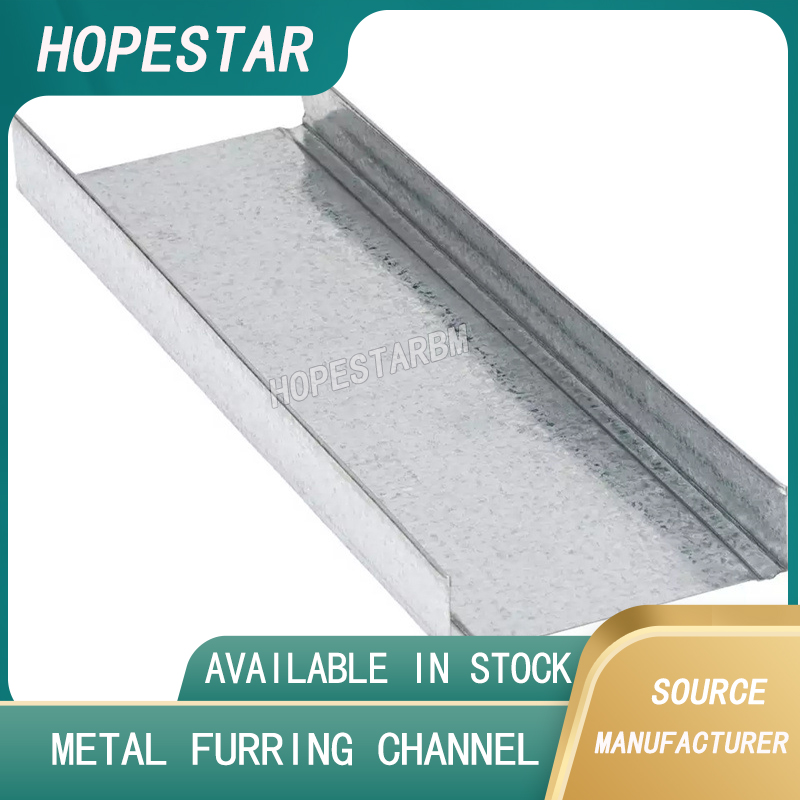
Galvanized steel profiles are the foundational metal framing components widely used in modern interior construction. Roll-formed from cold-rolled steel coated with protective zinc layer, galvanized steel profiles cover a full range of shapes including C studs, U tracks, omega channels,
Galvanized Steel Profiles – Reliable Cold Rolled Framing for Drywall Walls and Ceilings

Metal furring channel for ceiling is a vital secondary framing component widely used in suspended ceiling and drywall ceiling systems. Roll-formed from cold-rolled galvanized steel, this lightweight metal profile works together with main channels, hangers and wall angles to create a level,
Metal Furring Channel for Ceiling – Galvanized Secondary Framing for Suspended Drywall Ceilings

Metal omega channel, also widely called omega furring channel or hat channel, is an indispensable secondary metal framing profile for modern suspended ceilings and drywall wall furring systems. Named after its distinctive Ω shape, this profile is roll-formed from cold-rolled galvanized steel
Metal Omega Channel – Galvanized Omega Furring Channel for Drywall Ceiling and Wall Framing