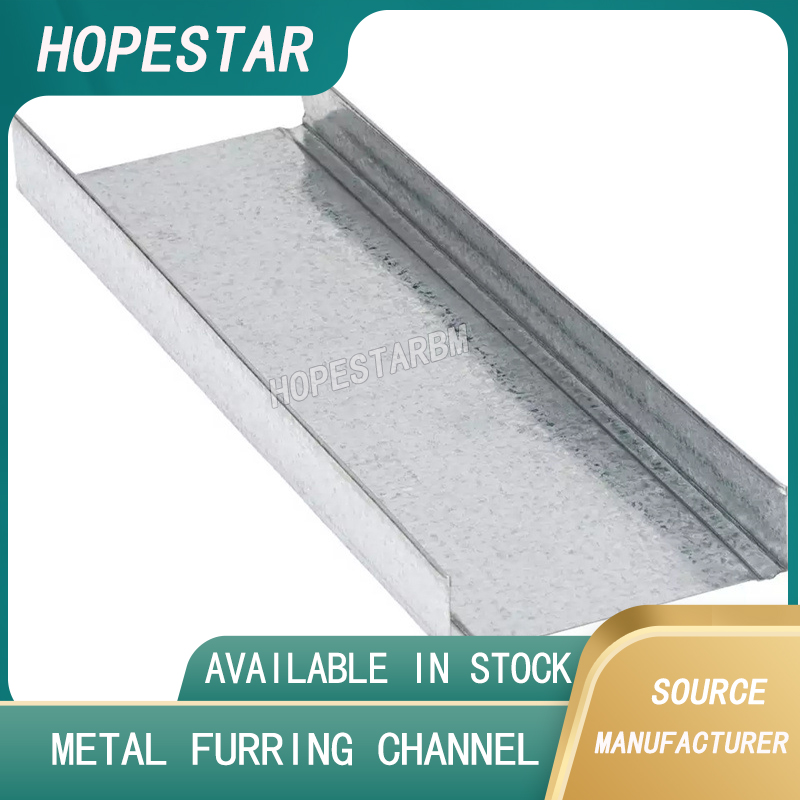
Hat Channel for Metal Buildings
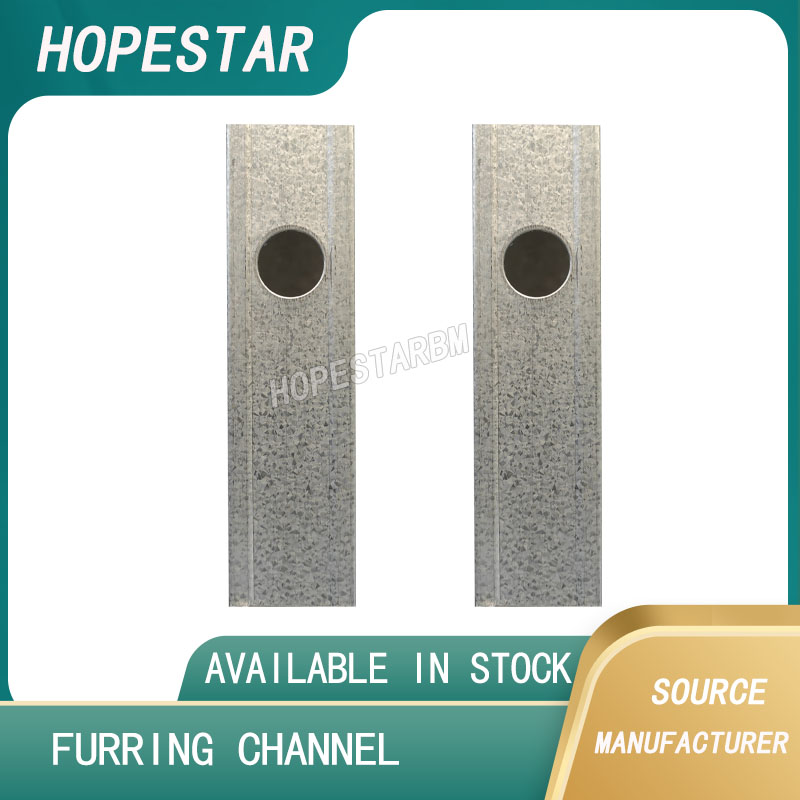
When it comes to constructing strong, reliable, and efficient metal buildings, choosing the right framing components is essential. One of the most versatile and widely used metal profiles in commercial and industrial construction is the hat channel. Designed with a distinctive “hat-shaped” cross-section, this cold-formed steel component provides outstanding structural support, durability, and versatility across a range of building applications.
What Is a Hat Channel?
A hat channel is a lightweight metal framing member shaped like a wide, shallow hat. It features a flat top surface (crown) and two vertical legs (webs) that extend downward to form flanges. The design makes it ideal for furring walls and ceilings, providing a smooth and level surface for attaching drywall, paneling, or other finishes.
Hat channels are typically made from galvanized steel, aluminum, or cold-rolled steel, and come in various gauges (from 25 to 12) and depths depending on the structural and design needs.
Key Applications of Hat Channels in Metal Buildings
1. Wall Furring
Hat channels are frequently used to fur out uneven concrete or masonry walls. They create a level surface for installing interior or exterior panels, improving insulation and air circulation behind the finish.
2. Ceiling Framing
In metal building ceiling systems, hat channels are used as furring strips that support suspended ceilings or soffits. Their strong, lightweight design makes them easy to install and ideal for spanning long distances.
3. Roof and Deck Support
Hat channels can be installed underneath roof panels to provide additional structural stability or used above roof insulation to secure the roofing membrane.
4. Soundproofing
When installed with resilient sound clips, hat channels reduce vibration transfer and improve soundproofing performance in walls and ceilings—an important feature in commercial offices, studios, or residential buildings.
Metal Building Hat Channel
Aluminum Metal Accessory for Curtain Walls
Related Article