
hat channel for metal buildings introduce
2024-06-05
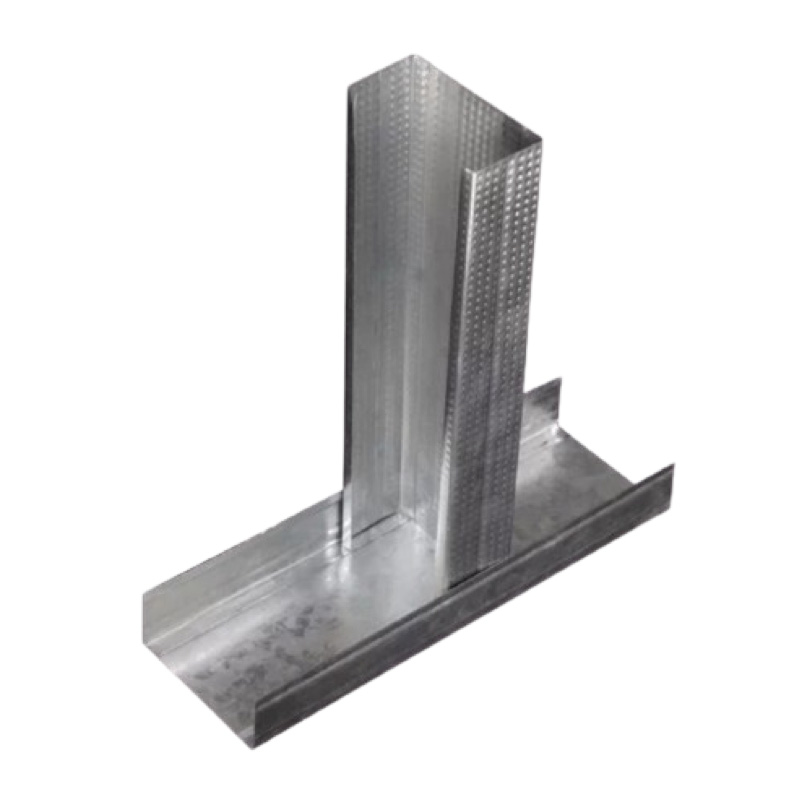
Hat channel for metal buildings is a crucial component in the construction of metal structures. These channels provide a solid and reliable foundation for various roofing and wall systems, ensuring stability and durability for the entire building. In this article, we will delve into the intricacies of hat channel for metal buildings, discussing its features, benefits, applications, and installation process.
Let's begin by understanding the basic structure and function of hat channel. Hat channel, also known as Z-purlin or roof hat channel, is a metal strip with a hat-shaped cross-section. This unique shape allows it to provide exceptional support and stability, making it a popular choice for metal building construction. Hat channel is typically made from galvanized steel, aluminum, or stainless steel, depending on the specific requirements of the project.
The primary function of hat channel is to support the roof decking and provide a secure attachment point for roofing materials. It is installed perpendicular to the roof joists or rafters, creating a strong framework that can withstand the weight and stress of the roofing system. Hat channel also acts as a guide for the roofing sheets, ensuring they are installed correctly and securely.
One of the key benefits of using hat channel in metal buildings is its versatility. Hat channel can be used in a variety of roofing systems, including corrugated metal roofing, standing seam roofing, and more. Its strong and durable design allows it to handle different roof loads and weather conditions, making it suitable for both commercial and residential applications.
Moreover, hat channel is easy to install and requires minimal maintenance. Its lightweight and easy-to-handle design make it convenient for construction workers to install quickly and efficiently. Once installed, hat channel requires minimal maintenance, ensuring long-term durability and performance.
When selecting hat channel for metal buildings, it is important to consider the specific requirements of the project. Factors such as roof load, span length, and weather conditions need to be taken into account to ensure the selection of the appropriate hat channel. Additionally, it is crucial to choose a reliable supplier who offers high-quality products and excellent customer service.
Installation of hat channel for metal buildings is a straightforward process. First, the hat channel is measured and cut to the required length. Then, it is fastened securely to the roof joists or rafters using appropriate fasteners. Once the hat channel is installed, the roof decking can be laid over it, and the roofing material can be installed accordingly.
In conclusion, hat channel for metal buildings is a crucial component that provides stability and durability to metal structures. Its versatility, ease of installation, and minimal maintenance requirements make it a popular choice for roofing systems in both commercial and residential applications. By selecting the appropriate hat channel and installing it correctly, you can ensure the long-term performance and safety of your metal building.
c channel furring introduce
In what fields are light steel keel generally used?
Related Article

Ceiling wall angle, also known as perimeter angle or L-angle, is an indispensable L-shaped metal profile for suspended drywall ceiling systems. Roll-formed from cold-rolled galvanized steel, ceiling wall angle is fixed along the wall perimeter to support the ends of main channels and furring channels,
Ceiling Wall Angle – Galvanized L-Shaped Perimeter Trim for Suspended Drywall Ceilings
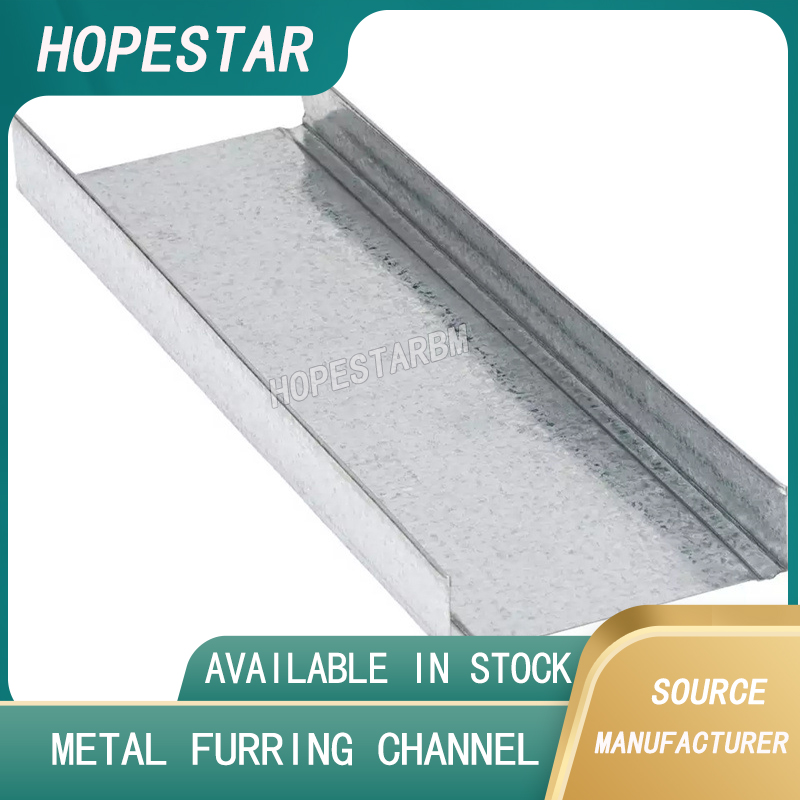
Galvanized steel profiles are the foundational metal framing components widely used in modern interior construction. Roll-formed from cold-rolled steel coated with protective zinc layer, galvanized steel profiles cover a full range of shapes including C studs, U tracks, omega channels,
Galvanized Steel Profiles – Reliable Cold Rolled Framing for Drywall Walls and Ceilings

Metal furring channel for ceiling is a vital secondary framing component widely used in suspended ceiling and drywall ceiling systems. Roll-formed from cold-rolled galvanized steel, this lightweight metal profile works together with main channels, hangers and wall angles to create a level,
Metal Furring Channel for Ceiling – Galvanized Secondary Framing for Suspended Drywall Ceilings

Metal omega channel, also widely called omega furring channel or hat channel, is an indispensable secondary metal framing profile for modern suspended ceilings and drywall wall furring systems. Named after its distinctive Ω shape, this profile is roll-formed from cold-rolled galvanized steel
Metal Omega Channel – Galvanized Omega Furring Channel for Drywall Ceiling and Wall Framing