
hat channel for drywall
2024-07-12
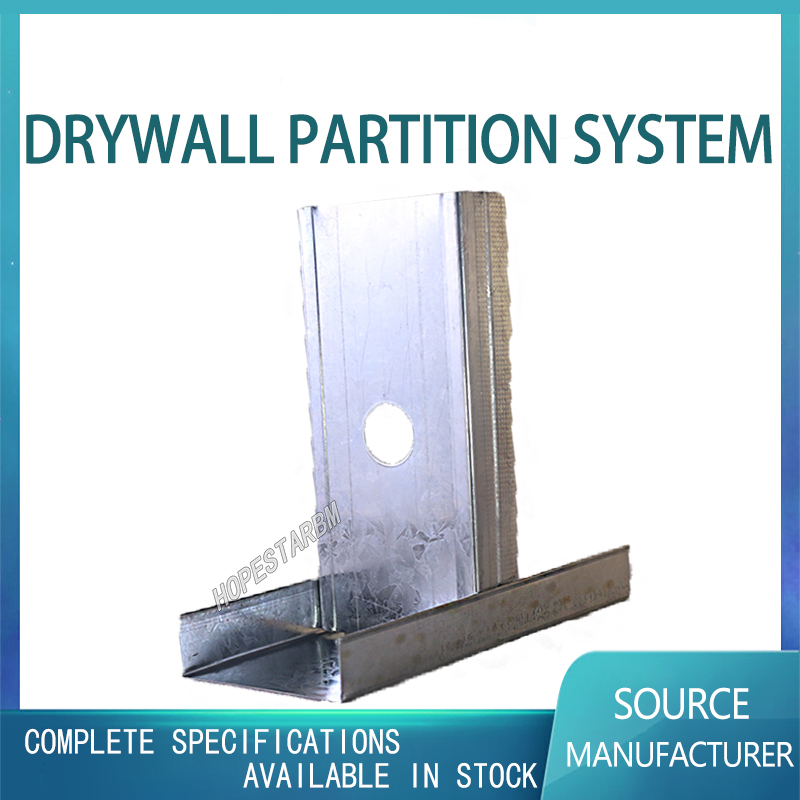
In the field of architectural decoration, drywall system has become one of the mainstream choices for modern interior space construction. This system not only improves construction efficiency, but also ensures the stability and aesthetics of the building structure. However, there are still some doubts and misconceptions among professionals and outsiders regarding the installation and maintenance of drywall systems, especially regarding the selection and use of "hat channels" (also known as drywall or track keels). This article will explore in detail the application of hat channels in drywall systems, helping readers to have a more comprehensive understanding of their characteristics and functions.
1、 Basic introduction of hat channel
Hat channel, Also known as C-shaped channel steel or drywall keel, it is an indispensable component in drywall systems. Its shape is similar to an inverted "C" shape, with vertical flanges on both sides and a horizontal web in the middle. This design allows the hat channel to be easily fixed to walls or ceilings,hat channel for drywall, providing support and fixation for drywall panels.
2、 Material and specifications of hat channel
The material of hat channels is usually galvanized steel or aluminum alloy, both of which have good corrosion resistance and strength, and can meet the needs of different environmental conditions. In terms of specifications, there are multiple options for the length, width, and thickness of the hat channel to accommodate different wall thicknesses and load-bearing requirements.
3、 The role of hat channels in drywall systems
1. Provide support: As the skeleton of the drywall system, the hat channel can provide solid support for the drywall panel, ensuring the stability and flatness of the wall.
2. Fixing drywall: With dedicated buckles or screws, hat channel can tightly fix drywall to the wall, preventing it from loosening or deforming.
3. Easy wiring: The space inside the hat channel can be used to hide wires, water pipes, and other pipelines, making the indoor space more tidy and beautiful.
4. Sound insulation and heat insulation: Filling sound insulation or heat insulation materials between the hat channel and the wall can effectively improve the sound insulation and heat insulation performance of the wall.
4、 Selection and installation of hat channel
1. Choose appropriate specifications: When selecting a hat channel, it is necessary to determine the appropriate specifications based on factors such as wall thickness, load-bearing requirements, and pipeline layout.
2. Ensure material quality: High quality hat channels should have good corrosion resistance and strength, and be able to maintain stability and durability for a long time.
3. Correct installation method: When installing the hat channel, hat channel for drywall,it is necessary to ensure that it is tightly attached to the wall or ceiling to avoid gaps or tilting. At the same time, the fixation of buckles or screws also needs to be firm and reliable to ensure the stability of the drywall.
5、 Maintenance and upkeep of hat channels
Although the hat channel has high durability and stability, the following points still need to be noted during use:
1. Avoid heavy pressure: When placing heavy objects on drywall, it is necessary to ensure that they do not exceed the load-bearing limit of the hat channel to avoid deformation or damage.
2. Regular inspection: Regularly check the fixation of the hat channel to ensure that it is not loose or deformed. If any problems are found, they should be repaired or replaced in a timely manner.
3. Cleaning pipelines: If it is necessary to lay pipelines inside the hat channel, attention should be paid to avoiding damage or squeezing of the pipelines, hat channel for drywall,iand regular cleaning and maintenance should be carried out to ensure that the pipelines are unobstructed.
6、 The application of hat channel in special scenarios
In addition to conventional indoor space construction, hat channels also have a wide range of applications in special scenarios. For example, in environments such as operating rooms and laboratories in hospitals that require high cleanliness and antibacterial properties, hat channels with special coatings can be used to reduce bacterial growth and contamination. In addition, in earthquake prone areas, the use of specially designed hat channels can also improve the seismic performance of walls.
In summary, as an important component in drywall systems, the selection and use of hat channels are of great significance in ensuring the stability and aesthetics of the walls. Through the introduction and analysis in this article, we believe that readers have gained a deeper understanding and recognition of the hat channel. In future architectural decoration projects, it is hoped that this article can provide readers with useful references and inspirations.
1、 Basic introduction of hat channel
Hat channel, Also known as C-shaped channel steel or drywall keel, it is an indispensable component in drywall systems. Its shape is similar to an inverted "C" shape, with vertical flanges on both sides and a horizontal web in the middle. This design allows the hat channel to be easily fixed to walls or ceilings,hat channel for drywall, providing support and fixation for drywall panels.
2、 Material and specifications of hat channel
The material of hat channels is usually galvanized steel or aluminum alloy, both of which have good corrosion resistance and strength, and can meet the needs of different environmental conditions. In terms of specifications, there are multiple options for the length, width, and thickness of the hat channel to accommodate different wall thicknesses and load-bearing requirements.
3、 The role of hat channels in drywall systems
1. Provide support: As the skeleton of the drywall system, the hat channel can provide solid support for the drywall panel, ensuring the stability and flatness of the wall.
2. Fixing drywall: With dedicated buckles or screws, hat channel can tightly fix drywall to the wall, preventing it from loosening or deforming.
3. Easy wiring: The space inside the hat channel can be used to hide wires, water pipes, and other pipelines, making the indoor space more tidy and beautiful.
4. Sound insulation and heat insulation: Filling sound insulation or heat insulation materials between the hat channel and the wall can effectively improve the sound insulation and heat insulation performance of the wall.
4、 Selection and installation of hat channel
1. Choose appropriate specifications: When selecting a hat channel, it is necessary to determine the appropriate specifications based on factors such as wall thickness, load-bearing requirements, and pipeline layout.
2. Ensure material quality: High quality hat channels should have good corrosion resistance and strength, and be able to maintain stability and durability for a long time.
3. Correct installation method: When installing the hat channel, hat channel for drywall,it is necessary to ensure that it is tightly attached to the wall or ceiling to avoid gaps or tilting. At the same time, the fixation of buckles or screws also needs to be firm and reliable to ensure the stability of the drywall.
5、 Maintenance and upkeep of hat channels
Although the hat channel has high durability and stability, the following points still need to be noted during use:
1. Avoid heavy pressure: When placing heavy objects on drywall, it is necessary to ensure that they do not exceed the load-bearing limit of the hat channel to avoid deformation or damage.
2. Regular inspection: Regularly check the fixation of the hat channel to ensure that it is not loose or deformed. If any problems are found, they should be repaired or replaced in a timely manner.
3. Cleaning pipelines: If it is necessary to lay pipelines inside the hat channel, attention should be paid to avoiding damage or squeezing of the pipelines, hat channel for drywall,iand regular cleaning and maintenance should be carried out to ensure that the pipelines are unobstructed.
6、 The application of hat channel in special scenarios
In addition to conventional indoor space construction, hat channels also have a wide range of applications in special scenarios. For example, in environments such as operating rooms and laboratories in hospitals that require high cleanliness and antibacterial properties, hat channels with special coatings can be used to reduce bacterial growth and contamination. In addition, in earthquake prone areas, the use of specially designed hat channels can also improve the seismic performance of walls.
In summary, as an important component in drywall systems, the selection and use of hat channels are of great significance in ensuring the stability and aesthetics of the walls. Through the introduction and analysis in this article, we believe that readers have gained a deeper understanding and recognition of the hat channel. In future architectural decoration projects, it is hoped that this article can provide readers with useful references and inspirations.
metal channels for drywall
length of metal furring
Related Article

Ceiling wall angle, also known as perimeter angle or L-angle, is an indispensable L-shaped metal profile for suspended drywall ceiling systems. Roll-formed from cold-rolled galvanized steel, ceiling wall angle is fixed along the wall perimeter to support the ends of main channels and furring channels,
Ceiling Wall Angle – Galvanized L-Shaped Perimeter Trim for Suspended Drywall Ceilings
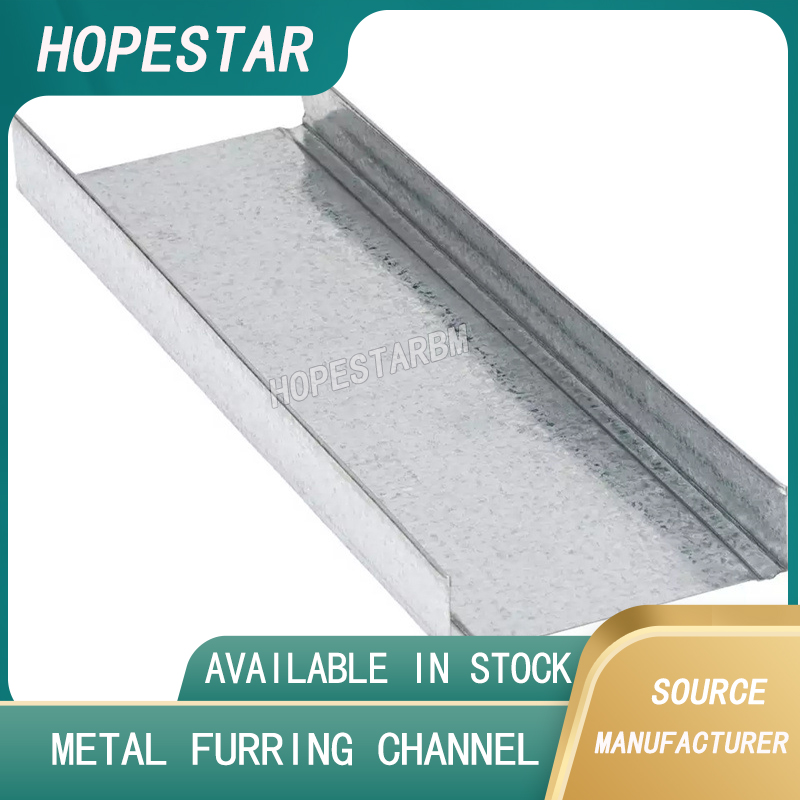
Galvanized steel profiles are the foundational metal framing components widely used in modern interior construction. Roll-formed from cold-rolled steel coated with protective zinc layer, galvanized steel profiles cover a full range of shapes including C studs, U tracks, omega channels,
Galvanized Steel Profiles – Reliable Cold Rolled Framing for Drywall Walls and Ceilings

Metal furring channel for ceiling is a vital secondary framing component widely used in suspended ceiling and drywall ceiling systems. Roll-formed from cold-rolled galvanized steel, this lightweight metal profile works together with main channels, hangers and wall angles to create a level,
Metal Furring Channel for Ceiling – Galvanized Secondary Framing for Suspended Drywall Ceilings

Metal omega channel, also widely called omega furring channel or hat channel, is an indispensable secondary metal framing profile for modern suspended ceilings and drywall wall furring systems. Named after its distinctive Ω shape, this profile is roll-formed from cold-rolled galvanized steel
Metal Omega Channel – Galvanized Omega Furring Channel for Drywall Ceiling and Wall Framing