
hat channel dimensions
2024-03-27
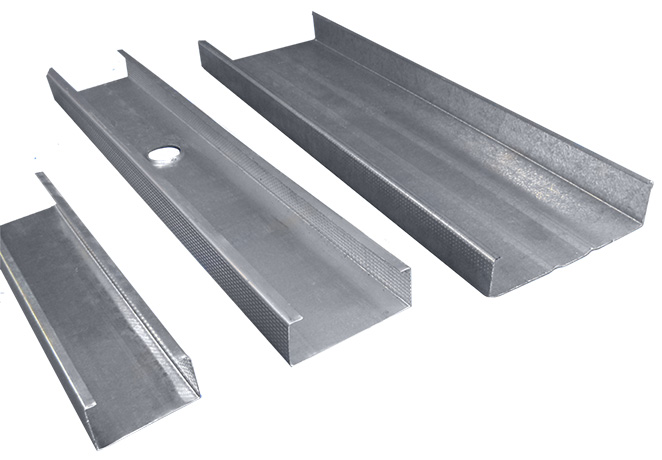
Hat channel dimensions refer to the specific measurements and specifications of a hat channel, a type of metal framing commonly used in construction. These dimensions are crucial for ensuring the structural integrity and functionality of the hat channel, as well as for facilitating its installation and integration with other components.
In the construction industry, hat channels are primarily used as support structures for roofs, floors, and walls. They are typically made from steel or aluminum and are characterized by their unique, hat-shaped cross-section, which gives them their name. The hat channel dimensions specify the length, width, thickness, and height of the channel, as well as any other relevant parameters such as the flange width and web thickness.
The selection of appropriate hat channel dimensions is crucial for several reasons. Firstly, it ensures that the hat channel can effectively support the loads it is designed to carry. By selecting dimensions that are sufficient for the intended application, engineers can ensure that the structure will be able to withstand both static and dynamic loads safely. Secondly, accurate dimensions facilitate the installation and integration of the hat channel with other components. This is particularly important in complex construction projects where precise measurements are essential for ensuring the overall structural integrity of the building.
In the construction industry, hat channels are primarily used as support structures for roofs, floors, and walls. They are typically made from steel or aluminum and are characterized by their unique, hat-shaped cross-section, which gives them their name. The hat channel dimensions specify the length, width, thickness, and height of the channel, as well as any other relevant parameters such as the flange width and web thickness.
The selection of appropriate hat channel dimensions is crucial for several reasons. Firstly, it ensures that the hat channel can effectively support the loads it is designed to carry. By selecting dimensions that are sufficient for the intended application, engineers can ensure that the structure will be able to withstand both static and dynamic loads safely. Secondly, accurate dimensions facilitate the installation and integration of the hat channel with other components. This is particularly important in complex construction projects where precise measurements are essential for ensuring the overall structural integrity of the building.
metal corner bead introduce
metal furring wall detail
Related Article

Ceiling wall angle, also known as perimeter angle or L-angle, is an indispensable L-shaped metal profile for suspended drywall ceiling systems. Roll-formed from cold-rolled galvanized steel, ceiling wall angle is fixed along the wall perimeter to support the ends of main channels and furring channels,
Ceiling Wall Angle – Galvanized L-Shaped Perimeter Trim for Suspended Drywall Ceilings
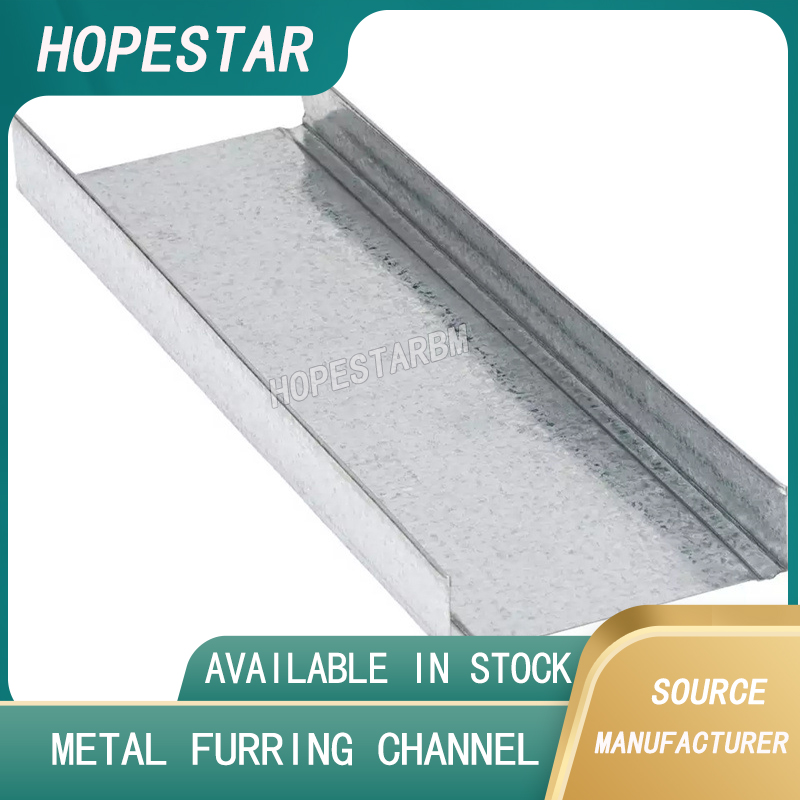
Galvanized steel profiles are the foundational metal framing components widely used in modern interior construction. Roll-formed from cold-rolled steel coated with protective zinc layer, galvanized steel profiles cover a full range of shapes including C studs, U tracks, omega channels,
Galvanized Steel Profiles – Reliable Cold Rolled Framing for Drywall Walls and Ceilings

Metal furring channel for ceiling is a vital secondary framing component widely used in suspended ceiling and drywall ceiling systems. Roll-formed from cold-rolled galvanized steel, this lightweight metal profile works together with main channels, hangers and wall angles to create a level,
Metal Furring Channel for Ceiling – Galvanized Secondary Framing for Suspended Drywall Ceilings

Metal omega channel, also widely called omega furring channel or hat channel, is an indispensable secondary metal framing profile for modern suspended ceilings and drywall wall furring systems. Named after its distinctive Ω shape, this profile is roll-formed from cold-rolled galvanized steel
Metal Omega Channel – Galvanized Omega Furring Channel for Drywall Ceiling and Wall Framing