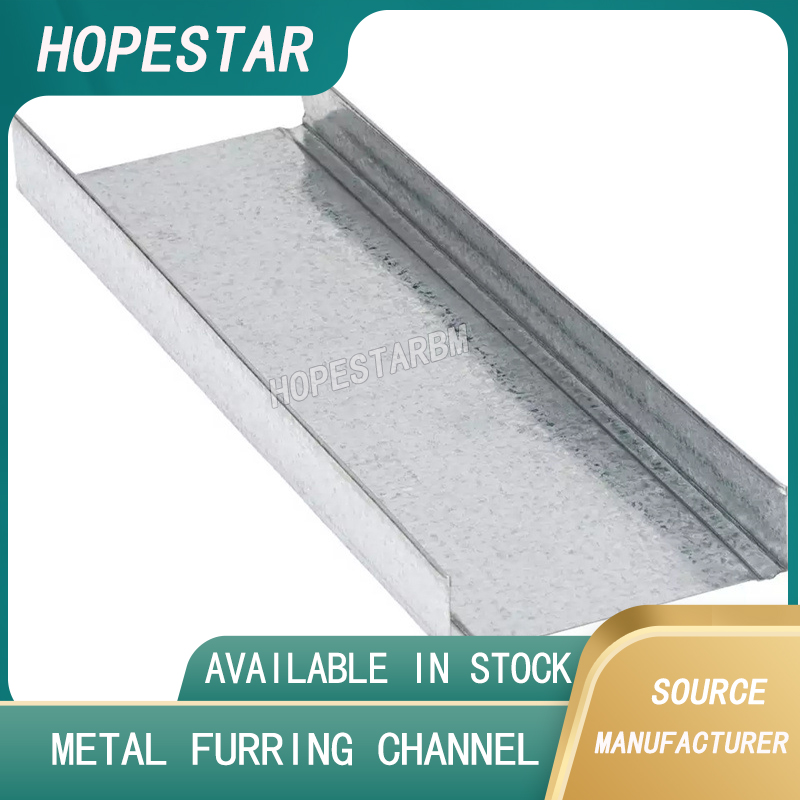
gypsum channel
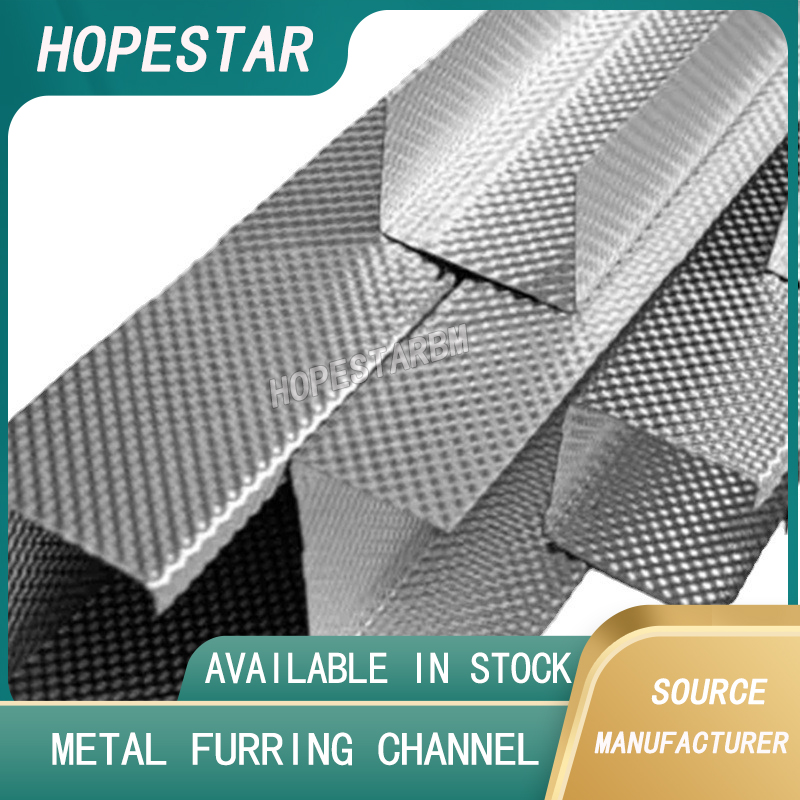
In the world of interior construction and architectural finishing, few components are as fundamental yet transformative as the gypsum channel. Often overlooked in favor of more visible elements, this humble yet highly engineered metal profile serves as the essential support structure for gypsum board, plasterboard, and lightweight ceiling tile installations in both residential and commercial spaces. As the backbone of modern drywall and suspended ceiling systems, the gypsum channel provides the critical framework that ensures long-lasting stability, precise alignment, and a flawless finished appearance for walls, ceilings, and partitions.
A standard gypsum channel — sometimes referred to as a furring channel or hat channel — is typically made from high-quality cold-rolled galvanized steel, formed into a distinctive hat-shaped (Ω) profile. Its design is deceptively simple: a flat base with two upward-curving legs, creating a strong, lightweight, and rigid structure that can be easily fastened to concrete slabs, masonry walls, or existing ceiling joists. Once installed, the gypsum channel creates a perfectly level plane across even the most uneven surfaces, allowing contractors to mount gypsum boards, acoustic panels, or decorative finishes with consistent precision. Unlike traditional wood furring strips, which are prone to warping, rotting, and insect damage, the galvanized steel construction of the gypsum channel ensures it remains dimensionally stable, moisture-resistant, and free from decay for the life of the building.
The applications of the gypsum channel are remarkably diverse, making it a go-to solution for a wide range of construction challenges. In suspended ceiling installations, the gypsum channel is used as a secondary support grid, fixed to the main runners to create a stable, level surface for ceiling tiles or gypsum board panels. This setup not only conceals unsightly wiring, ductwork, and plumbing above but also enhances acoustic performance by decoupling the ceiling from the structural slab, reducing noise transfer between floors. On walls, the gypsum channel is frequently employed to level out rough or irregular masonry or concrete surfaces before drywall installation, eliminating the need for time-consuming plastering or shimming. It is also widely used in exterior facade systems as part of a ventilated rainscreen assembly, where it creates an air gap that improves thermal insulation and prevents moisture buildup behind cladding materials.
Beyond its structural role, the gypsum channel delivers significant performance benefits that directly impact a building's comfort, efficiency, and durability. The air cavity formed between the channel and the substrate acts as a thermal break, reducing heat transfer and improving the overall energy efficiency of the wall or ceiling assembly. This is especially valuable in climates with extreme temperatures, where proper insulation is key to lowering heating and cooling costs. Additionally, when combined with acoustic insulation batts, the gypsum channel system can dramatically improve sound isolation between rooms — a critical feature in multi-family housing, hotels, offices, and educational facilities where privacy and noise control are priorities.
Installation of the gypsum channel is straightforward and efficient, contributing to faster project timelines and reduced labor costs. Channels are typically secured to the substrate using powder-actuated fasteners, concrete screws, or anchors, spaced at regular intervals (usually 600mm to 1200mm apart depending on load requirements). Once the channels are in place, gypsum boards or other finish materials are screwed directly into the channel flanges, creating a solid, vibration-resistant connection. The lightweight nature of the gypsum channel means it can be cut and fitted on-site with basic tools, and its pre-galvanized finish requires no additional painting or treatment, saving both time and material expenses.
From high-rise office towers and shopping malls to hospitals, schools, and modern homes, the gypsum channel has proven itself as an indispensable component of contemporary construction. It bridges the gap between structural integrity and finish quality, enabling architects and builders to create smooth, durable, high-performing interior environments with confidence. In an industry where every detail matters, the gypsum channel is a small part that makes a big difference.
drywall metal
galvanized steel studs
Related Article