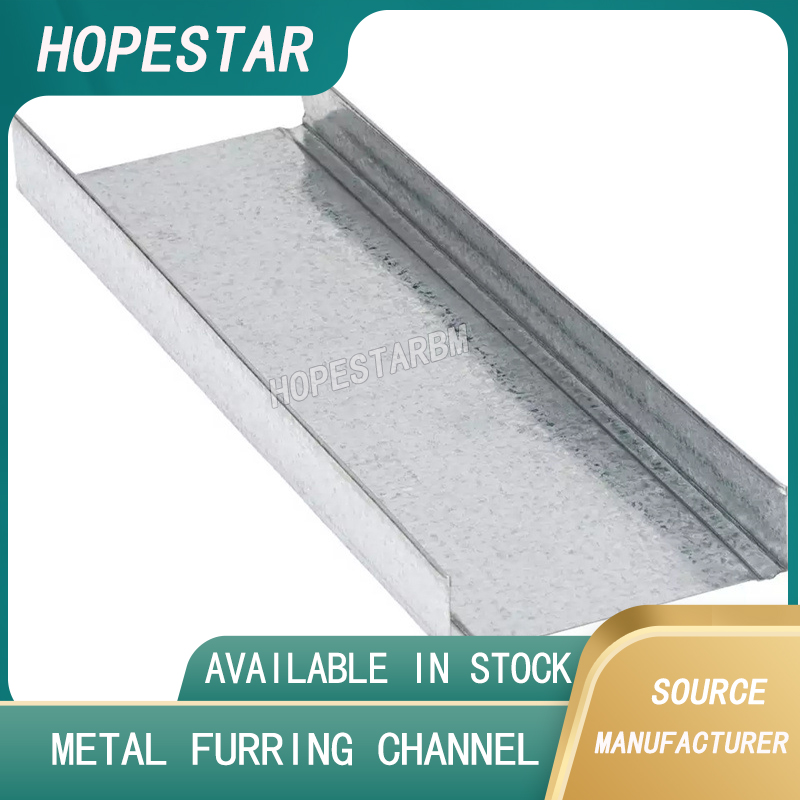
galvanized steel studs
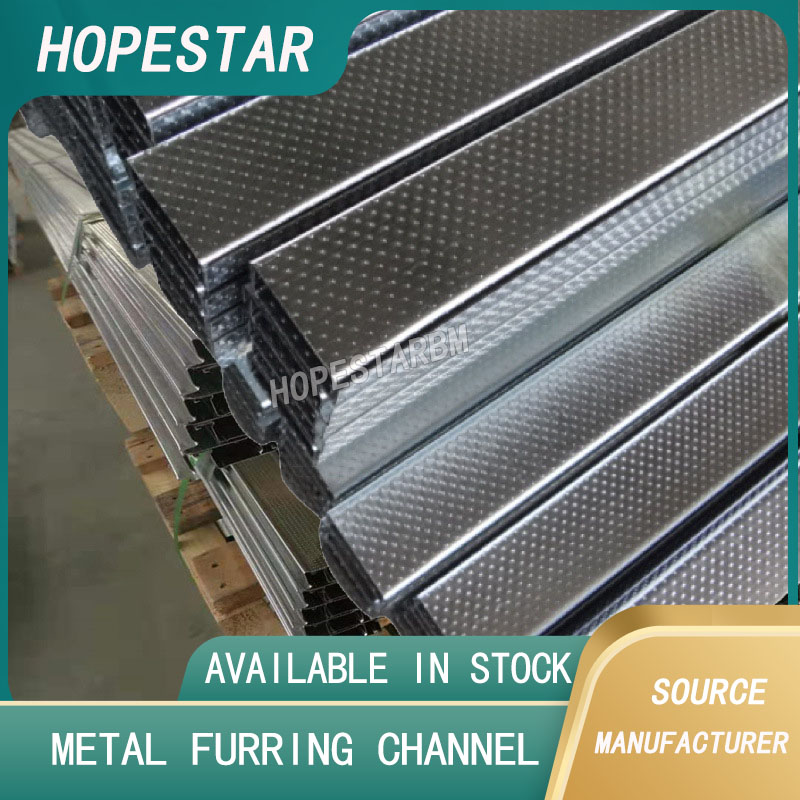
Across construction sites worldwide, a quiet revolution is reshaping how walls, ceilings, and partitions are built: the widespread adoption of galvanized steel studs. Far from being just a niche alternative to traditional wood framing, these precision-engineered cold-formed steel components have become the default choice for forward-thinking builders, architects, and property developers who prioritize speed, durability, safety, and sustainability in every project. Whether in a high-rise office tower, a multi-family residential complex, or a custom home renovation, galvanized steel studs deliver performance that wood simply cannot match.
At the heart of every galvanized steel studs system is a layer of protection that defines its longevity. Each stud is manufactured from high-strength steel sheet, then coated in a uniform layer of zinc through a hot-dip galvanizing process. This zinc barrier acts as a sacrificial anode, meaning it corrodes before the base steel does — a feature that gives galvanized steel studs exceptional resistance to rust, moisture, mold, and even chemical exposure. In environments where wooden studs would warp, rot, or attract pests within years, galvanized steel studs remain dimensionally stable and structurally sound for decades. Most commercial-grade galvanized steel studs feature a G60 or G90 zinc coating (indicating 0.60 or 0.90 ounces of zinc per square foot), providing robust protection that meets or exceeds ASTM A653 and other international building material standards.
One of the most compelling reasons to choose galvanized steel studs is their unparalleled consistency and ease of installation. Unlike wood, which varies in density, straightness, and moisture content from piece to piece, every galvanized steel studs component is produced to exact tolerances — typically ±1mm in length and width. This uniformity means walls go up straighter, corners meet at perfect 90-degree angles, and drywall installs without the frustrating gaps and uneven seams common with wood framing. The lightweight nature of galvanized steel studs (a typical 20-gauge stud weighs roughly one-third of an equivalent wood stud) allows crews to handle, cut, and position them faster, reducing on-site labor time by up to 30%. Pre-punched service holes along the web of galvanized steel studs further streamline workflow, letting electricians, plumbers, and HVAC technicians run conduit, piping, and wiring without time-consuming drilling or notching.
Safety and code compliance are areas where galvanized steel studs truly shine. As a non-combustible material, galvanized steel studs inherently meet stringent fire-resistance requirements, with many assemblies achieving 1-hour, 2-hour, or even 3-hour fire ratings when paired with appropriate fire-rated drywall or insulation. This makes galvanized steel studs the go-to choice for commercial corridors, stairwells, elevator shafts, and multi-unit residential buildings where fire containment is non-negotiable. Additionally, galvanized steel studs do not off-gas VOCs, contain no formaldehyde, and are impervious to termites and rodents — creating healthier, safer indoor environments that align with modern green building standards like LEED, WELL, and BREEAM.
From a sustainability standpoint, galvanized steel studs are a clear winner. Nearly all galvanized steel studs contain a minimum of 25% recycled steel, and at the end of a building’s life, 100% of the material can be recycled again without downgrading its quality. This circular lifecycle stands in stark contrast to wood framing, which often ends up in landfills after demolition. The durability of galvanized steel studs also means buildings require fewer repairs and less maintenance over time, reducing their long-term environmental footprint.
Whether you are framing interior partitions, building exterior curtain walls, or creating complex architectural shapes, galvanized steel studs offer the precision, strength, and reliability that modern construction demands. They are not just a material choice — they are a strategic investment in buildings that are built to last.
gypsum channel
omega furring channel
Related Article