
galvanized steel furring channel for gypsum board
2024-06-07
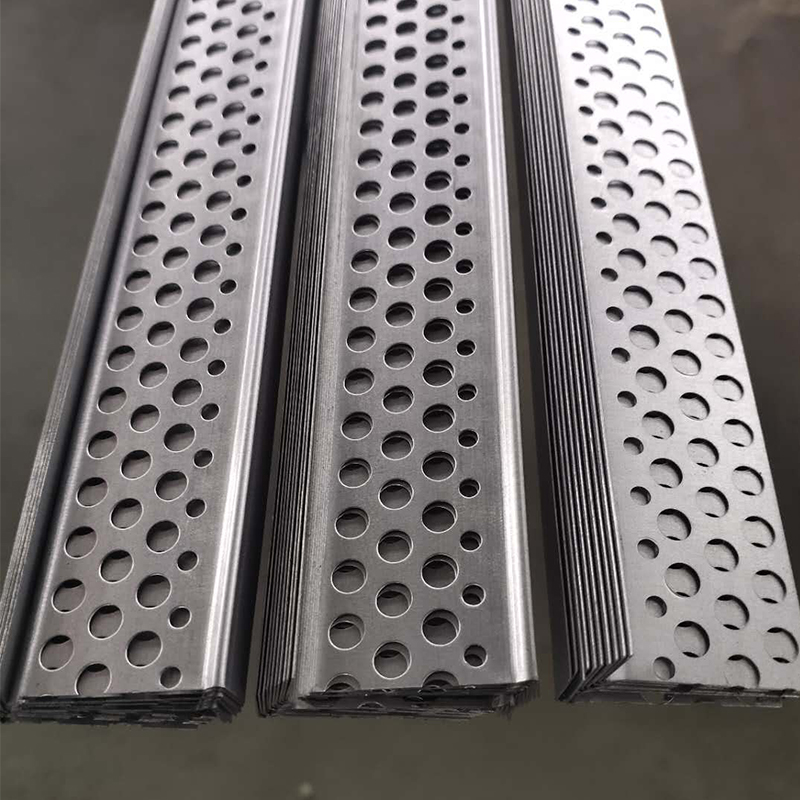
Galvanized steel furring channel, a crucial component in the construction industry, has been gaining increasing popularity in recent years, primarily due to its versatility, durability, and cost-effectiveness. This article delves into the intricacies of galvanized steel furring channel, specifically its application in gypsum board systems, highlighting its advantages, installation procedures, and compliance with building regulations.
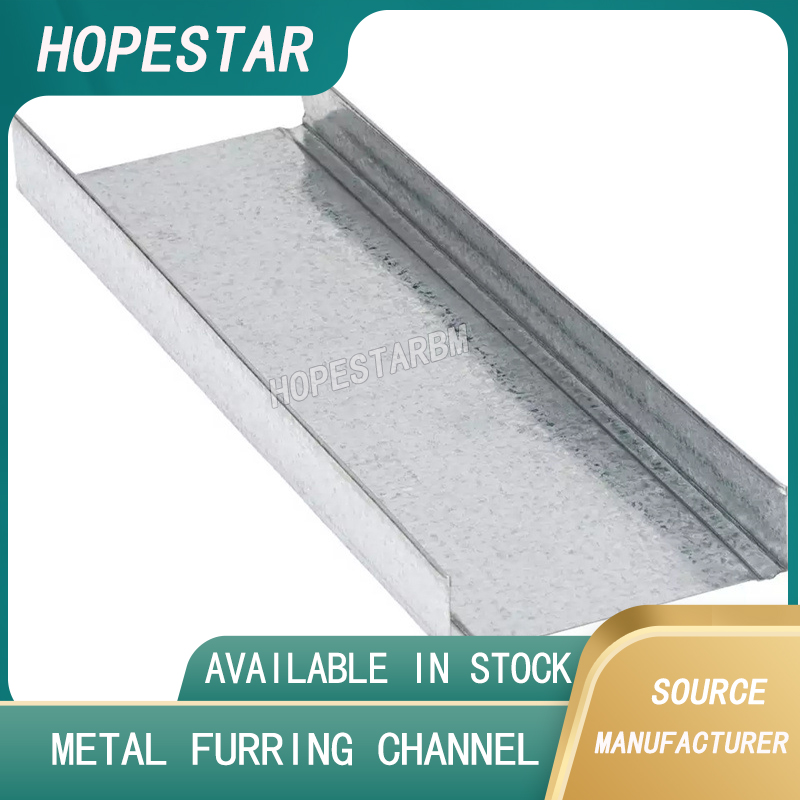
Galvanized steel furring channel, essentially a metal framing system, serves as the skeletal structure for gypsum board ceilings and walls. Its primary function is to provide a secure and stable platform for the attachment of gypsum board panels, ensuring a flat and level finish. The galvanization process, which involves the application of a protective zinc coating, significantly enhances the corrosion resistance of the steel, thus extending the lifespan of the furring channel.
The use of galvanized steel furring channel in gypsum board systems offers numerous advantages. Firstly, it offers superior strength and rigidity, ensuring the stability of the gypsum board installation. This is crucial in maintaining the integrity of the ceiling or wall, particularly in high-traffic areas or under heavy loads. Secondly, the galvanized coating enhances resistance to rust and corrosion, making it suitable for use in damp or humid environments. Furthermore, the smooth surface of the furring channel facilitates easy installation of gypsum board panels, reducing the time and effort required for the job.
Installation of galvanized steel furring channel involves a series of precise steps. Prior to installation, it is essential to measure and mark the locations for the furring channels accurately. The channels are then securely fastened to the ceiling or wall joists using appropriate fasteners, such as screws or nails. It is crucial to ensure that the channels are level and evenly spaced to provide a stable base for the gypsum board panels. Once the furring channels are in place, the gypsum board panels can be attached using adhesives or fasteners, depending on the specific installation requirements.
Compliance with building regulations is paramount in the use of galvanized steel furring channel. It is crucial to adhere to local building codes and standards, ensuring that the materials and installation methods meet the required safety and performance standards. This includes the selection of appropriate furring channel gauges and fasteners, as well as the proper spacing and attachment methods. Additionally, it is advisable to consult with a qualified building professional or engineer to ensure compliance with all relevant regulations.
In conclusion, galvanized steel furring channel is a reliable and cost-effective choice for gypsum board ceiling and wall systems. Its superior strength, corrosion resistance, and ease of installation make it a preferred choice in the construction industry. However, it is essential to adhere to building regulations and follow proper installation procedures to ensure the safety and performance of the system. With its versatility and durability, galvanized steel furring channel continues to gain popularity as a crucial component in modern building construction.
Galvanized Steel Keel C Channel Metal Furring Channel
what is the channel spacing for metal furring
Related Article

Ceiling wall angle, also known as perimeter angle or L-angle, is an indispensable L-shaped metal profile for suspended drywall ceiling systems. Roll-formed from cold-rolled galvanized steel, ceiling wall angle is fixed along the wall perimeter to support the ends of main channels and furring channels,
Ceiling Wall Angle – Galvanized L-Shaped Perimeter Trim for Suspended Drywall Ceilings
Galvanized steel profiles are the foundational metal framing components widely used in modern interior construction. Roll-formed from cold-rolled steel coated with protective zinc layer, galvanized steel profiles cover a full range of shapes including C studs, U tracks, omega channels,
Galvanized Steel Profiles – Reliable Cold Rolled Framing for Drywall Walls and Ceilings

Metal furring channel for ceiling is a vital secondary framing component widely used in suspended ceiling and drywall ceiling systems. Roll-formed from cold-rolled galvanized steel, this lightweight metal profile works together with main channels, hangers and wall angles to create a level,
Metal Furring Channel for Ceiling – Galvanized Secondary Framing for Suspended Drywall Ceilings

Metal omega channel, also widely called omega furring channel or hat channel, is an indispensable secondary metal framing profile for modern suspended ceilings and drywall wall furring systems. Named after its distinctive Ω shape, this profile is roll-formed from cold-rolled galvanized steel
Metal Omega Channel – Galvanized Omega Furring Channel for Drywall Ceiling and Wall Framing