
furring channel vs hat channel differences
2025-03-14
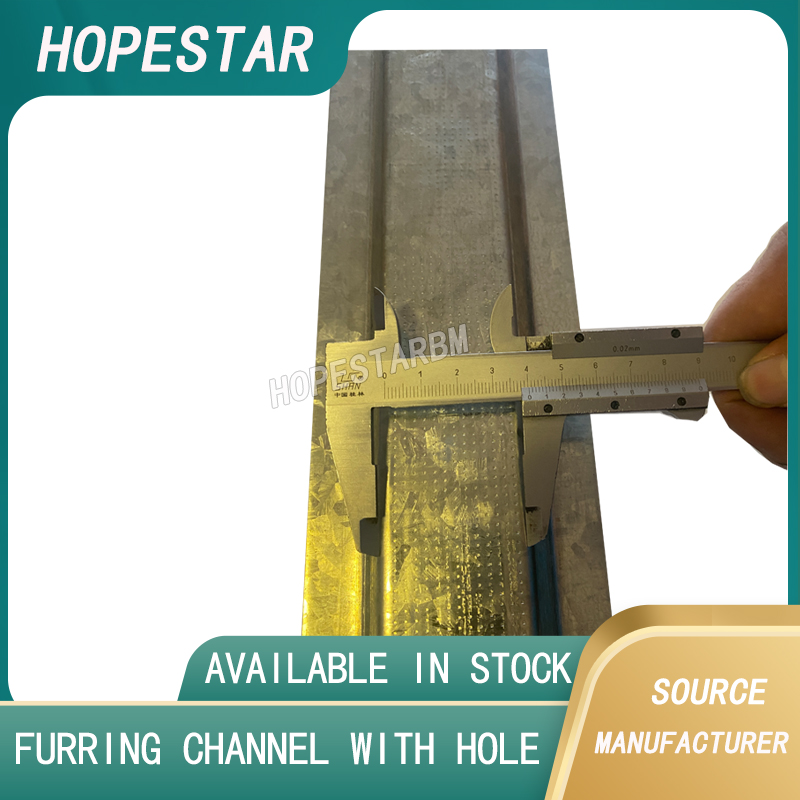
Furring Channel vs. Hat Channel: Key Differences
Furring channels and hat channels are both metal framing components used in construction, but they serve slightly different purposes. Below are the main differences between the two:
1. Shape & Design
- Furring Channel: Typically has a "C" or "U" shape with a flat back and slightly raised sides.
- Hat Channel: Named for its hat-like profile, it has a flat top and flanges on both sides, creating a more pronounced shape.
2. Primary Uses
- Furring Channel:
- Used to create a level surface for attaching drywall, plaster, or siding.
- Common in wall and ceiling framing applications.
- Hat Channel:
- Often used in exterior applications and moisture-prone areas.
- Provides better ventilation and space for insulation.
3. Installation & Mounting
- Furring Channel:
- Can be attached directly to concrete, masonry, or steel framing.
- Installed perpendicular to joists or studs.
- Hat Channel:
- Mounted using furring strips, spacers, or clips.
- Works well for soundproofing and insulation projects.
4. Material & Strength
- Furring Channel: Usually made of galvanized steel or aluminum, available in different gauges.
- Hat Channel: Generally made of heavier gauge steel, making it more rigid and durable for heavy-duty applications.
5. Soundproofing & Insulation
- Furring Channel: Commonly used with resilient clips for acoustic isolation in walls and ceilings.
- Hat Channel: Preferred for commercial buildings and soundproofing due to its ability to decouple structures.
Which One Should You Use?
- Choose Furring Channel if you need a lightweight, easy-to-install option for interior drywall or ceiling framing.
- Choose Hat Channel if you require additional moisture resistance, structural support, or improved soundproofing.
Z-furring Channel
metal furring channel sizes and specifications
Related Article

Ceiling wall angle, also known as perimeter angle or L-angle, is an indispensable L-shaped metal profile for suspended drywall ceiling systems. Roll-formed from cold-rolled galvanized steel, ceiling wall angle is fixed along the wall perimeter to support the ends of main channels and furring channels,
Ceiling Wall Angle – Galvanized L-Shaped Perimeter Trim for Suspended Drywall Ceilings
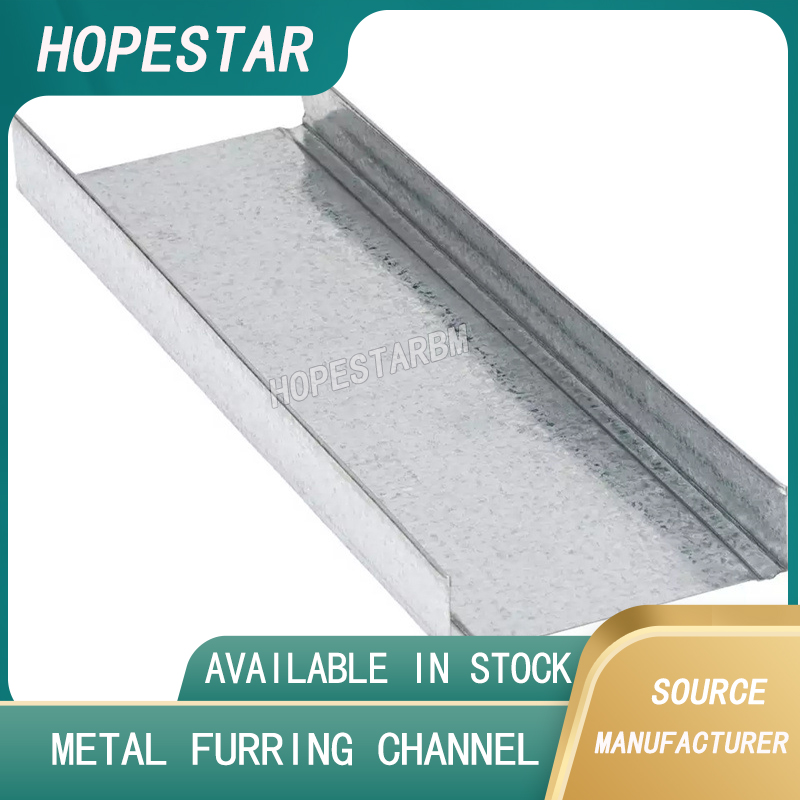
Galvanized steel profiles are the foundational metal framing components widely used in modern interior construction. Roll-formed from cold-rolled steel coated with protective zinc layer, galvanized steel profiles cover a full range of shapes including C studs, U tracks, omega channels,
Galvanized Steel Profiles – Reliable Cold Rolled Framing for Drywall Walls and Ceilings

Metal furring channel for ceiling is a vital secondary framing component widely used in suspended ceiling and drywall ceiling systems. Roll-formed from cold-rolled galvanized steel, this lightweight metal profile works together with main channels, hangers and wall angles to create a level,
Metal Furring Channel for Ceiling – Galvanized Secondary Framing for Suspended Drywall Ceilings

Metal omega channel, also widely called omega furring channel or hat channel, is an indispensable secondary metal framing profile for modern suspended ceilings and drywall wall furring systems. Named after its distinctive Ω shape, this profile is roll-formed from cold-rolled galvanized steel
Metal Omega Channel – Galvanized Omega Furring Channel for Drywall Ceiling and Wall Framing