
furring channel thickness
2024-07-10
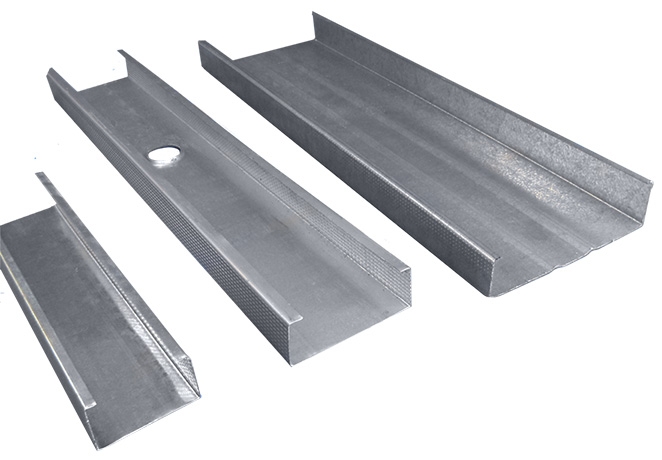
furring channel thickness
In construction engineering, furring channels, as a common structural element, play an important role in connecting, supporting, and fixing various materials. Especially in areas such as ceiling systems, wall decorations, and sound insulation, the thickness selection of the furring channel is particularly crucial. This article will delve into the selection criteria, influencing factors, and practical considerations for furring channel thickness.
1、 Selection criteria for furring channel thickness
1. Load bearing capacity: One of the main functions of the furring channel is to carry and disperse weight. Therefore, the selection of its thickness must be determined based on the required load to be carried. Generally speaking, the greater the load-bearing capacity, the greater the required thickness of the keel groove.
2. Span and spacing: The span and spacing of the keel groove are also important factors determining its thickness. furring channel thickness,The larger the span and the wider the spacing, the higher the strength and stability requirements for the keel groove, so thicker keel grooves need to be used.
3. Materials and specifications: Different materials and specifications of keel grooves have different bearing capacity and performance. When selecting the thickness of the keel groove, it is also necessary to consider its material characteristics and specification requirements to ensure that it meets the usage requirements.
2、 Factors affecting the thickness of the furring channel
1. Type of ceiling system: Different types of ceiling systems have different requirements for keel grooves. For example, the light steel keel ceiling system requires the use of thinner keel grooves, while the mineral wool board ceiling system requires the use of thicker keel grooves.
2. Wall decoration requirements: Factors such as material, weight, and installation method of wall decoration can also affect the selection of keel groove thickness. furring channel thickness,For example, when using heavy-duty ceramic tiles or stone for wall decoration, it is necessary to choose thicker keel grooves to ensure their stability and load-bearing capacity.
3. Sound insulation and heat insulation requirements: In situations where sound insulation and heat insulation are required, the thickness of the keel groove also needs to be increased accordingly. A thicker keel groove can provide better sound insulation and meet the specific usage needs of specific places.
3、 Precautions in practical applications
1. Accurate measurement: Before selecting the thickness of the keel groove, it is necessary to accurately measure and calculate the size, load, and decorative requirements of the ceiling or wall. This can ensure that the thickness of the selected keel groove meets the usage requirements without causing waste.
2. Reasonable layout: The layout of the keel groove should be reasonable to avoid situations where it is too dense or sparse. A reasonable layout can improve the overall stability and aesthetics of suspended ceilings or walls.
3. Correct installation: The installation of the keel groove must be carried out in accordance with the specifications, ensuring that it is tightly fitted and firmly fixed to the ceiling or wall. At the same time, it is also necessary to pay attention to safety issues during the installation process to avoid accidents.
4. Maintenance: During use, furring channel thickness,it is necessary to regularly maintain and upkeep the keel groove. Timely clean the dust and debris on the surface of the keel groove, check whether the connecting and fixing parts are loose or damaged, and repair and replace them in a timely manner. This can extend the service life of the keel groove, ensuring its safety and stability during use.
4、 Summary
The selection of furring channel thickness is an important step in construction engineering. Reasonable selection of the thickness of the keel groove can not only ensure the stability and aesthetics of the ceiling or wall,furring channel thickness, but also improve the performance and safety of the building. Therefore, when selecting the thickness of the keel groove, it is necessary to comprehensively consider factors such as load-bearing capacity, span and spacing, materials and specifications, and accurately calculate and measure according to actual usage needs. At the same time, in practical applications, attention should also be paid to reasonable layout, correct installation, and regular maintenance to ensure the effectiveness and safety of the keel groove.
In construction engineering, furring channels, as a common structural element, play an important role in connecting, supporting, and fixing various materials. Especially in areas such as ceiling systems, wall decorations, and sound insulation, the thickness selection of the furring channel is particularly crucial. This article will delve into the selection criteria, influencing factors, and practical considerations for furring channel thickness.
1、 Selection criteria for furring channel thickness
1. Load bearing capacity: One of the main functions of the furring channel is to carry and disperse weight. Therefore, the selection of its thickness must be determined based on the required load to be carried. Generally speaking, the greater the load-bearing capacity, the greater the required thickness of the keel groove.
2. Span and spacing: The span and spacing of the keel groove are also important factors determining its thickness. furring channel thickness,The larger the span and the wider the spacing, the higher the strength and stability requirements for the keel groove, so thicker keel grooves need to be used.
3. Materials and specifications: Different materials and specifications of keel grooves have different bearing capacity and performance. When selecting the thickness of the keel groove, it is also necessary to consider its material characteristics and specification requirements to ensure that it meets the usage requirements.
2、 Factors affecting the thickness of the furring channel
1. Type of ceiling system: Different types of ceiling systems have different requirements for keel grooves. For example, the light steel keel ceiling system requires the use of thinner keel grooves, while the mineral wool board ceiling system requires the use of thicker keel grooves.
2. Wall decoration requirements: Factors such as material, weight, and installation method of wall decoration can also affect the selection of keel groove thickness. furring channel thickness,For example, when using heavy-duty ceramic tiles or stone for wall decoration, it is necessary to choose thicker keel grooves to ensure their stability and load-bearing capacity.
3. Sound insulation and heat insulation requirements: In situations where sound insulation and heat insulation are required, the thickness of the keel groove also needs to be increased accordingly. A thicker keel groove can provide better sound insulation and meet the specific usage needs of specific places.
3、 Precautions in practical applications
1. Accurate measurement: Before selecting the thickness of the keel groove, it is necessary to accurately measure and calculate the size, load, and decorative requirements of the ceiling or wall. This can ensure that the thickness of the selected keel groove meets the usage requirements without causing waste.
2. Reasonable layout: The layout of the keel groove should be reasonable to avoid situations where it is too dense or sparse. A reasonable layout can improve the overall stability and aesthetics of suspended ceilings or walls.
3. Correct installation: The installation of the keel groove must be carried out in accordance with the specifications, ensuring that it is tightly fitted and firmly fixed to the ceiling or wall. At the same time, it is also necessary to pay attention to safety issues during the installation process to avoid accidents.
4. Maintenance: During use, furring channel thickness,it is necessary to regularly maintain and upkeep the keel groove. Timely clean the dust and debris on the surface of the keel groove, check whether the connecting and fixing parts are loose or damaged, and repair and replace them in a timely manner. This can extend the service life of the keel groove, ensuring its safety and stability during use.
4、 Summary
The selection of furring channel thickness is an important step in construction engineering. Reasonable selection of the thickness of the keel groove can not only ensure the stability and aesthetics of the ceiling or wall,furring channel thickness, but also improve the performance and safety of the building. Therefore, when selecting the thickness of the keel groove, it is necessary to comprehensively consider factors such as load-bearing capacity, span and spacing, materials and specifications, and accurately calculate and measure according to actual usage needs. At the same time, in practical applications, attention should also be paid to reasonable layout, correct installation, and regular maintenance to ensure the effectiveness and safety of the keel groove.
furring hat channel sizes
wall furring channel
Related Article

Ceiling wall angle, also known as perimeter angle or L-angle, is an indispensable L-shaped metal profile for suspended drywall ceiling systems. Roll-formed from cold-rolled galvanized steel, ceiling wall angle is fixed along the wall perimeter to support the ends of main channels and furring channels,
Ceiling Wall Angle – Galvanized L-Shaped Perimeter Trim for Suspended Drywall Ceilings
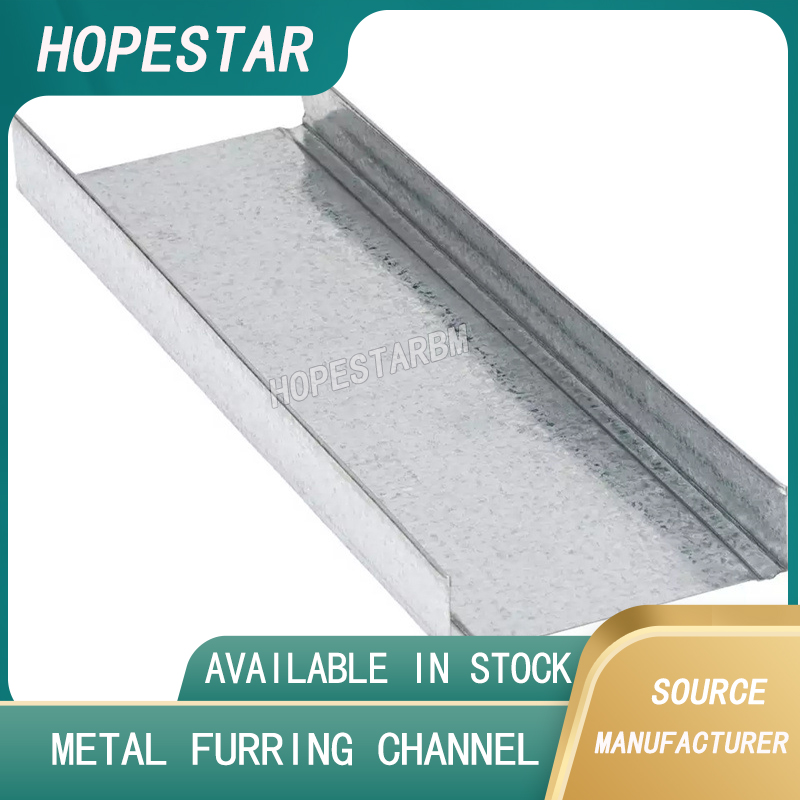
Galvanized steel profiles are the foundational metal framing components widely used in modern interior construction. Roll-formed from cold-rolled steel coated with protective zinc layer, galvanized steel profiles cover a full range of shapes including C studs, U tracks, omega channels,
Galvanized Steel Profiles – Reliable Cold Rolled Framing for Drywall Walls and Ceilings

Metal furring channel for ceiling is a vital secondary framing component widely used in suspended ceiling and drywall ceiling systems. Roll-formed from cold-rolled galvanized steel, this lightweight metal profile works together with main channels, hangers and wall angles to create a level,
Metal Furring Channel for Ceiling – Galvanized Secondary Framing for Suspended Drywall Ceilings

Metal omega channel, also widely called omega furring channel or hat channel, is an indispensable secondary metal framing profile for modern suspended ceilings and drywall wall furring systems. Named after its distinctive Ω shape, this profile is roll-formed from cold-rolled galvanized steel
Metal Omega Channel – Galvanized Omega Furring Channel for Drywall Ceiling and Wall Framing