
Furring channel sizes chart
2024-06-12
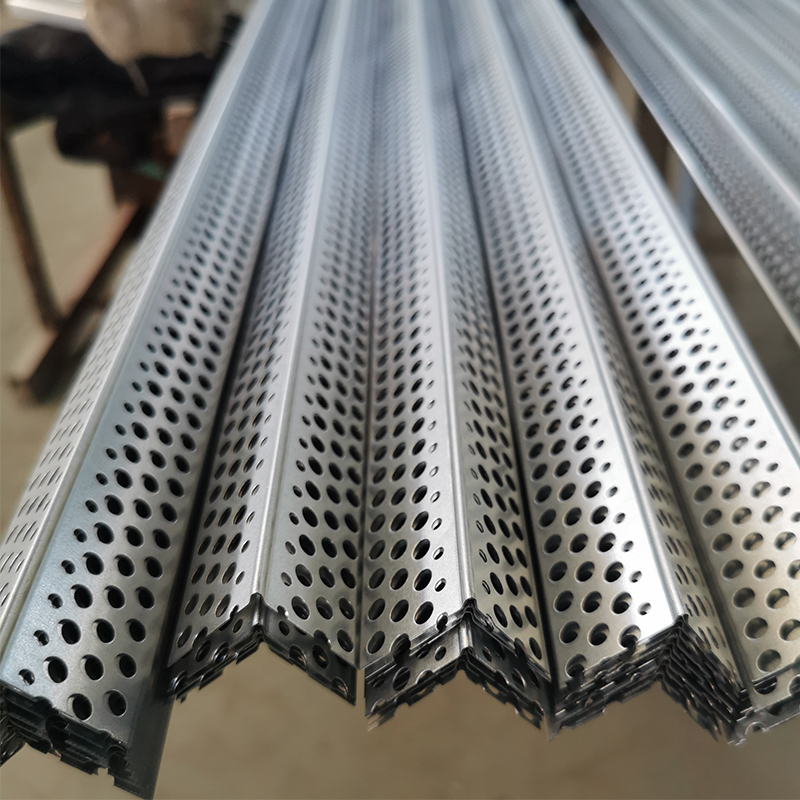
Furring channel sizes chart is a crucial tool for architects, engineers, and builders who are involved in the installation of drywall systems. This chart provides a comprehensive overview of the various sizes and dimensions of furring channels available in the market, enabling professionals to make informed decisions regarding the selection of appropriate furring channels for their specific projects.
In this article, we will delve into the intricacies of furring channel sizes chart, discussing its importance, how to use it effectively, and the various factors that need to be considered when selecting furring channels. We will also provide a detailed overview of the different types of furring channels and their applications.
Let's start by understanding what furring channels are. Furring channels, also known as hat channels or furring strips, are metal framing members that are used to create a level surface for the installation of drywall or other wallcoverings. They are typically attached to the structural framing of a building, such as steel studs or wooden framing, and provide a stable and rigid base for the wallcoverings to be fastened to.
The sizes and dimensions of furring channels can vary significantly depending on the manufacturer and the specific application requirements. Therefore, it is essential to consult a furring channel sizes chart to ensure that the correct size and type of furring channel is selected for the project.
A typical furring channel sizes chart will list the various sizes available, including the width, depth, and gauge (thickness) of the channel. It will also indicate the maximum load-bearing capacity of each size, which is crucial for ensuring the structural integrity of the wall system.
When selecting furring channels, it is important to consider the weight of the wallcoverings that will be used, as well as any additional loads that may be applied to the wall system. The size and type of furring channel selected should be able to safely support the total load without exceeding its maximum capacity.
In addition to load-bearing capacity, other factors such as the spacing between furring channels and the type of fasteners used also play a role in the selection process. Proper spacing ensures that the wallcoverings are evenly supported and prevents sagging or bulging. The type of fasteners used should be compatible with the furring channels and the wallcoverings, providing a secure and reliable connection.
When it comes to the types of furring channels available, there are several options to choose from. Some common types include:
1. Standard Furring Channels: These are the most common type of furring channels and are suitable for a wide range of applications. They are typically made from galvanized steel and have a hat-shaped cross-section.
2. Heavy-Duty Furring Channels: These channels are designed for heavier loads and are often used in commercial or industrial applications. They may have thicker gauges and stronger construction to provide increased strength and stability.
3. Adjustable Furring Channels: These channels offer the flexibility to adjust the spacing between them, making them ideal for situations where the wallcoverings may vary in thickness or where precise alignments are required.
2. Heavy-Duty Furring Channels: These channels are designed for heavier loads and are often used in commercial or industrial applications. They may have thicker gauges and stronger construction to provide increased strength and stability.
3. Adjustable Furring Channels: These channels offer the flexibility to adjust the spacing between them, making them ideal for situations where the wallcoverings may vary in thickness or where precise alignments are required.
Regardless of the type of furring channel selected, it is essential to follow the manufacturer's installation instructions to ensure proper installation and performance. This includes using the correct fasteners, spacing the channels evenly, and ensuring that they are securely attached to the structural framing.
In conclusion, a furring channel sizes chart is a valuable tool for architects, engineers, and builders who are involved in the installation of drywall systems. It provides a comprehensive overview of the various sizes and dimensions of furring channels available, enabling professionals to make informed decisions regarding the selection of appropriate furring channels for their specific projects. By considering factors such as load-bearing capacity, spacing, and fastener compatibility, as well as choosing the right type of furring channel for the application, professionals can ensure the structural integrity and performance of the wall system.
Hot Dipped Galvanized Steel C
What is the difference between a furring channel and a hat channel?
Related Article

Ceiling wall angle, also known as perimeter angle or L-angle, is an indispensable L-shaped metal profile for suspended drywall ceiling systems. Roll-formed from cold-rolled galvanized steel, ceiling wall angle is fixed along the wall perimeter to support the ends of main channels and furring channels,
Ceiling Wall Angle – Galvanized L-Shaped Perimeter Trim for Suspended Drywall Ceilings
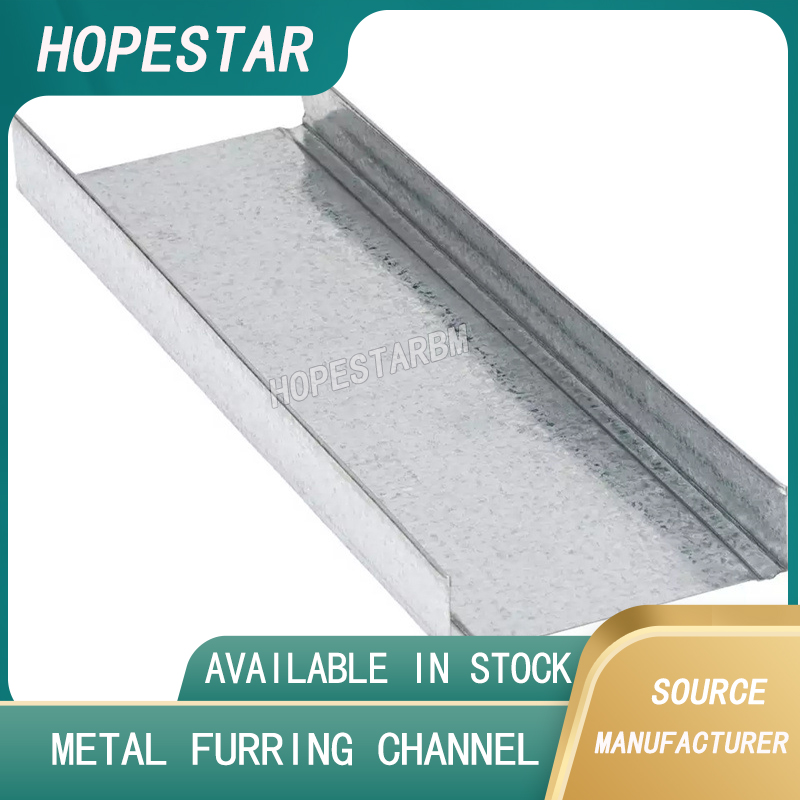
Galvanized steel profiles are the foundational metal framing components widely used in modern interior construction. Roll-formed from cold-rolled steel coated with protective zinc layer, galvanized steel profiles cover a full range of shapes including C studs, U tracks, omega channels,
Galvanized Steel Profiles – Reliable Cold Rolled Framing for Drywall Walls and Ceilings

Metal furring channel for ceiling is a vital secondary framing component widely used in suspended ceiling and drywall ceiling systems. Roll-formed from cold-rolled galvanized steel, this lightweight metal profile works together with main channels, hangers and wall angles to create a level,
Metal Furring Channel for Ceiling – Galvanized Secondary Framing for Suspended Drywall Ceilings

Metal omega channel, also widely called omega furring channel or hat channel, is an indispensable secondary metal framing profile for modern suspended ceilings and drywall wall furring systems. Named after its distinctive Ω shape, this profile is roll-formed from cold-rolled galvanized steel
Metal Omega Channel – Galvanized Omega Furring Channel for Drywall Ceiling and Wall Framing