
furring channel installation detail
2024-07-17

In construction projects, the installation of furring channels (also known as ceiling joists) is a crucial task that not only affects the stability and aesthetics of the entire ceiling structure, but also directly relates to the comfort and safety of indoor spaces. The following will provide a detailed explanation of the installation steps and precautions for the furring channel, helping the construction team to efficiently and safely complete the installation work.
1、 Preliminary preparation
Before installing the furring channel, a detailed construction plan and material preparation must be carried out first. The construction plan should include key information such as the size, shape, material selection, and spacing of the suspended ceiling to ensure a smooth installation process. In terms of material preparation, it is necessary to prepare sufficient quantities of furring channels, connectors, suspension rods, hooks, etc., and ensure that the quality of these materials meets relevant standards and requirements.
2、 Measurement and positioning
According to the construction plan, use measuring tools to accurately measure the dimensions of the ceiling and mark the position of the keel on the wall. During the positioning process, special attention should be paid to the uniformity and rationality of the spacing between the keels to ensure the flatness and stability of the ceiling. At the same time, the position of lighting fixtures, ventilation openings, and other equipment on the ceiling should also be considered to reserve corresponding space during the installation of the keel.
3、 Install suspension rods and hooks
After positioning is completed, select suitable suspension rods and hooks for installation based on the height and structural characteristics of the ceiling. The installation of suspension rods and hooks should be firm and reliable, able to withstand the weight and tension of the suspended ceiling. During the installation process, attention should be paid to the spacing and position of the suspension rod and hook, ensuring that they correspond to the position of the keel.
4、 Install Furring Channel
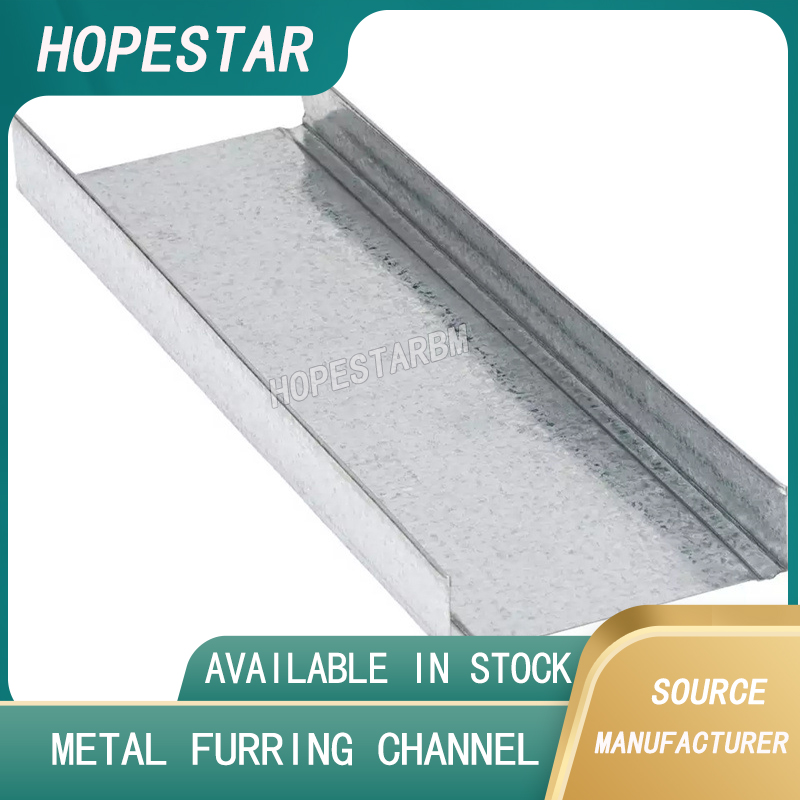
After the installation of the suspension rod and hook is completed, the installation of the furring channel can begin. Firstly, connect the furring channel to the connector, and then hang it on the suspension rod and hook. During installation, ensure the flatness and stability of the furring channel to avoid bending or tilting. At the same time, attention should be paid to the uniformity and rationality of the spacing between the keels to ensure the flatness and stability of the ceiling.
During the installation process, there may be some special situations where equipment such as pipes and wires on the ceiling need to pass through the keel. At this point, corresponding holes or cuts can be made on the keel so that these devices can pass through smoothly. However, when opening holes or incisions, be careful not to damage the structure and strength of the keel.
5、 Fixed and adjusted
After the installation of the furring channel is completed, it is necessary to perform fixing and adjustment work. Firstly, use connectors to secure the keel to the wall or beam slab to ensure the stability of the ceiling. Then, check and adjust the flatness and stability of the ceiling to ensure that the surface of the ceiling is flat and free of unevenness. During the adjustment process, specialized tools can be used to fine tune the keel to achieve the best installation effect.
6、 Acceptance and maintenance
After the installation of the Furring channel is completed, acceptance work needs to be carried out. During acceptance, the flatness, stability, and firmness of the suspended ceiling should be checked to ensure compliance with relevant standards and requirements. At the same time, it is necessary to check whether the keel, connectors and other components are installed firmly and without looseness. If problems are found, they should be rectified and dealt with in a timely manner.
In addition, regular maintenance and upkeep work is required during the use of suspended ceilings. During maintenance, dust and dirt on the surface of the suspended ceiling should be removed to maintain its cleanliness and aesthetics. At the same time, it is necessary to check the stability and stability of the ceiling for any changes, and if there are any problems, they should be dealt with in a timely manner.
7、 Safety precautions
During the installation process of Furring Channel, safety is the primary consideration. The construction team should strictly comply with safety operating procedures and relevant standards to ensure safety during the construction process. At the same time, it is also important to pay attention to the following safety precautions:
During the installation process, protective equipment such as helmets and gloves should be worn to ensure personal safety.
When working at heights, safety equipment such as safety belts should be used to prevent falling accidents.
When using electric tools, ensure the safety and reliability of the power supply circuit to avoid electric shock accidents.
During the construction process, flammable and explosive materials should be avoided from being placed under the suspended ceiling to ensure the safety of the construction environment.
By following the above steps and precautions, the installation of furring channels can be efficiently and safely completed, providing strong guarantees for the aesthetics and comfort of indoor spaces.
1、 Preliminary preparation
Before installing the furring channel, a detailed construction plan and material preparation must be carried out first. The construction plan should include key information such as the size, shape, material selection, and spacing of the suspended ceiling to ensure a smooth installation process. In terms of material preparation, it is necessary to prepare sufficient quantities of furring channels, connectors, suspension rods, hooks, etc., and ensure that the quality of these materials meets relevant standards and requirements.
2、 Measurement and positioning
According to the construction plan, use measuring tools to accurately measure the dimensions of the ceiling and mark the position of the keel on the wall. During the positioning process, special attention should be paid to the uniformity and rationality of the spacing between the keels to ensure the flatness and stability of the ceiling. At the same time, the position of lighting fixtures, ventilation openings, and other equipment on the ceiling should also be considered to reserve corresponding space during the installation of the keel.
3、 Install suspension rods and hooks
After positioning is completed, select suitable suspension rods and hooks for installation based on the height and structural characteristics of the ceiling. The installation of suspension rods and hooks should be firm and reliable, able to withstand the weight and tension of the suspended ceiling. During the installation process, attention should be paid to the spacing and position of the suspension rod and hook, ensuring that they correspond to the position of the keel.
4、 Install Furring Channel
After the installation of the suspension rod and hook is completed, the installation of the furring channel can begin. Firstly, connect the furring channel to the connector, and then hang it on the suspension rod and hook. During installation, ensure the flatness and stability of the furring channel to avoid bending or tilting. At the same time, attention should be paid to the uniformity and rationality of the spacing between the keels to ensure the flatness and stability of the ceiling.
During the installation process, there may be some special situations where equipment such as pipes and wires on the ceiling need to pass through the keel. At this point, corresponding holes or cuts can be made on the keel so that these devices can pass through smoothly. However, when opening holes or incisions, be careful not to damage the structure and strength of the keel.
5、 Fixed and adjusted
After the installation of the furring channel is completed, it is necessary to perform fixing and adjustment work. Firstly, use connectors to secure the keel to the wall or beam slab to ensure the stability of the ceiling. Then, check and adjust the flatness and stability of the ceiling to ensure that the surface of the ceiling is flat and free of unevenness. During the adjustment process, specialized tools can be used to fine tune the keel to achieve the best installation effect.
6、 Acceptance and maintenance
After the installation of the Furring channel is completed, acceptance work needs to be carried out. During acceptance, the flatness, stability, and firmness of the suspended ceiling should be checked to ensure compliance with relevant standards and requirements. At the same time, it is necessary to check whether the keel, connectors and other components are installed firmly and without looseness. If problems are found, they should be rectified and dealt with in a timely manner.
In addition, regular maintenance and upkeep work is required during the use of suspended ceilings. During maintenance, dust and dirt on the surface of the suspended ceiling should be removed to maintain its cleanliness and aesthetics. At the same time, it is necessary to check the stability and stability of the ceiling for any changes, and if there are any problems, they should be dealt with in a timely manner.
7、 Safety precautions
During the installation process of Furring Channel, safety is the primary consideration. The construction team should strictly comply with safety operating procedures and relevant standards to ensure safety during the construction process. At the same time, it is also important to pay attention to the following safety precautions:
During the installation process, protective equipment such as helmets and gloves should be worn to ensure personal safety.
When working at heights, safety equipment such as safety belts should be used to prevent falling accidents.
When using electric tools, ensure the safety and reliability of the power supply circuit to avoid electric shock accidents.
During the construction process, flammable and explosive materials should be avoided from being placed under the suspended ceiling to ensure the safety of the construction environment.
By following the above steps and precautions, the installation of furring channels can be efficiently and safely completed, providing strong guarantees for the aesthetics and comfort of indoor spaces.
furring channel wall track
furring channel construction
Related Article

Ceiling wall angle, also known as perimeter angle or L-angle, is an indispensable L-shaped metal profile for suspended drywall ceiling systems. Roll-formed from cold-rolled galvanized steel, ceiling wall angle is fixed along the wall perimeter to support the ends of main channels and furring channels,
Ceiling Wall Angle – Galvanized L-Shaped Perimeter Trim for Suspended Drywall Ceilings
Galvanized steel profiles are the foundational metal framing components widely used in modern interior construction. Roll-formed from cold-rolled steel coated with protective zinc layer, galvanized steel profiles cover a full range of shapes including C studs, U tracks, omega channels,
Galvanized Steel Profiles – Reliable Cold Rolled Framing for Drywall Walls and Ceilings

Metal furring channel for ceiling is a vital secondary framing component widely used in suspended ceiling and drywall ceiling systems. Roll-formed from cold-rolled galvanized steel, this lightweight metal profile works together with main channels, hangers and wall angles to create a level,
Metal Furring Channel for Ceiling – Galvanized Secondary Framing for Suspended Drywall Ceilings

Metal omega channel, also widely called omega furring channel or hat channel, is an indispensable secondary metal framing profile for modern suspended ceilings and drywall wall furring systems. Named after its distinctive Ω shape, this profile is roll-formed from cold-rolled galvanized steel
Metal Omega Channel – Galvanized Omega Furring Channel for Drywall Ceiling and Wall Framing