
furring channel for gypsum ceiling
2024-07-05
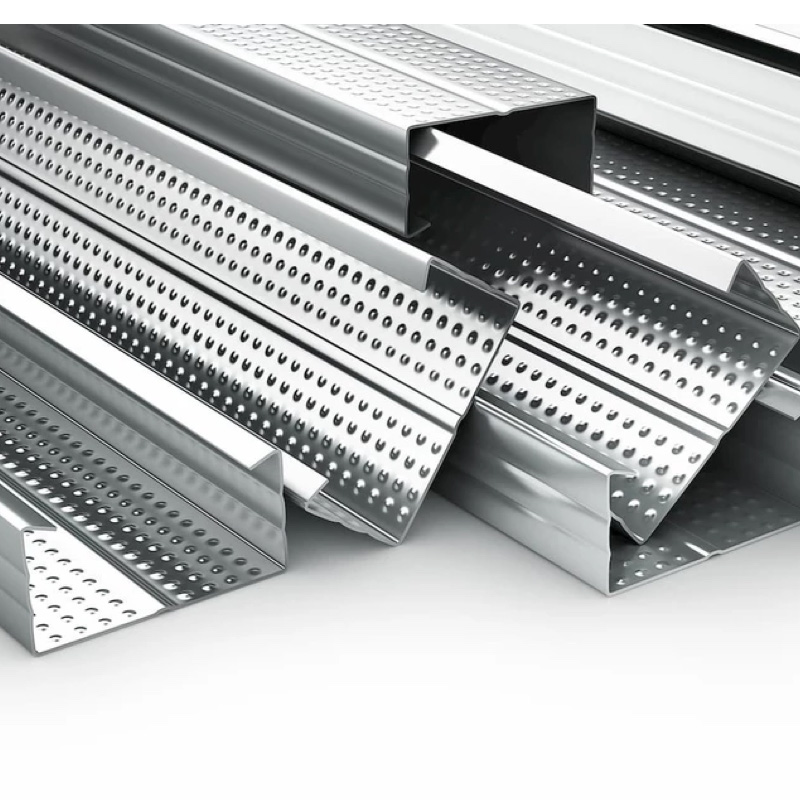
Before discussing the furring channel used in gypsum ceilings, we first need to understand its importance in architectural and interior design. Gypsum ceiling, as a widely used building material, is not only popular for its beauty, ease of installation and maintenance, but also highly praised for its good sound insulation, heat insulation, and fire resistance performance. As a key structure supporting gypsum board, the furring channel plays a crucial role in ensuring the stability and safety of the ceiling.
Installation and Construction of Furring Channel
1. Design and Planning: Furring Channel for Gypsum Celing requires detailed design and planning before installing the Furring Channel. Determine the number, spacing, and connection method of keels based on the size, shape, and load requirements of the ceiling. At the same time, it is also necessary to consider the connection method and processing details between the ceiling and surrounding structures (such as walls, columns, etc.).
2. Material preparation: Prepare the required fur channel materials according to the design requirements. furring channel for gypsum ceiling, Metal keel is usually made of galvanized steel plate or stainless steel plate, which has good corrosion resistance and durability. Wooden keel requires the selection of hard and non deformable wood, and anti-corrosion treatment.
3. Installation and fixation: Fix the furring channel to the ceiling or roof structure according to the design requirements. Metal keel is usually connected by welding, screws, or buckles Inspection and adjustment: After fixing all the furring channels, careful inspection and adjustment should be carried out. Ensure that each keel is firmly fixed to the ceiling without any looseness or deformation. At the same time, it is necessary to check whether the spacing between the keels is even and whether it meets the design requirements. If necessary, precise measurements and adjustments can be made using tools such as a spirit level or laser rangefinder.
5. Fire prevention treatment: Considering the safety of the ceiling, especially its fire resistance performance, it is recommended to carry out fire prevention treatment on the furring channel before installing gypsum board. Spraying fire-resistant coatings or wrapping fire-resistant materials can be used to improve the fire resistance rating of the keel and the entire ceiling.
6. Gypsum board installation: After ensuring that the furring channel is installed correctly and meets fire safety requirements, the installation of gypsum boards can begin. According to the size and shape of the gypsum board, place it on the keel and fix it with special screws or buckles. During the installation process, it is important to ensure that the gaps between the gypsum boards are even and the surface is flat to ensure overall aesthetics and effectiveness.
7. Post maintenance: Furring channel for gypsum ceiling. After the ceiling installation is completed, regular maintenance and upkeep are also required. Regularly clean dust and stains, inspect the keel and gypsum board for damage or deformation, and promptly repair and replace them. This can extend the service life of the ceiling, maintain its aesthetics and safety.
Fixed. Wooden keel needs to be fixed to the ceiling with nails or screws. During the installation process, it is necessary to ensure that the spacing and flatness between the keels meet the requirements to ensure that the gypsum board can be installed smoothly on the keels.
4. Gypsum board installation: After the installation of the keel system is completed, the installation of gypsum boards can begin. Place the gypsum board on the keel and secure it to the keel using special screws or buckles. During the installation process, it is necessary to pay attention to maintaining the flatness of the gypsum board and the tightness of the joints to ensure the flatness and aesthetics of the entire ceiling.
Installation and Construction of Furring Channel
1. Design and Planning: Furring Channel for Gypsum Celing requires detailed design and planning before installing the Furring Channel. Determine the number, spacing, and connection method of keels based on the size, shape, and load requirements of the ceiling. At the same time, it is also necessary to consider the connection method and processing details between the ceiling and surrounding structures (such as walls, columns, etc.).
2. Material preparation: Prepare the required fur channel materials according to the design requirements. furring channel for gypsum ceiling, Metal keel is usually made of galvanized steel plate or stainless steel plate, which has good corrosion resistance and durability. Wooden keel requires the selection of hard and non deformable wood, and anti-corrosion treatment.
3. Installation and fixation: Fix the furring channel to the ceiling or roof structure according to the design requirements. Metal keel is usually connected by welding, screws, or buckles Inspection and adjustment: After fixing all the furring channels, careful inspection and adjustment should be carried out. Ensure that each keel is firmly fixed to the ceiling without any looseness or deformation. At the same time, it is necessary to check whether the spacing between the keels is even and whether it meets the design requirements. If necessary, precise measurements and adjustments can be made using tools such as a spirit level or laser rangefinder.
5. Fire prevention treatment: Considering the safety of the ceiling, especially its fire resistance performance, it is recommended to carry out fire prevention treatment on the furring channel before installing gypsum board. Spraying fire-resistant coatings or wrapping fire-resistant materials can be used to improve the fire resistance rating of the keel and the entire ceiling.
6. Gypsum board installation: After ensuring that the furring channel is installed correctly and meets fire safety requirements, the installation of gypsum boards can begin. According to the size and shape of the gypsum board, place it on the keel and fix it with special screws or buckles. During the installation process, it is important to ensure that the gaps between the gypsum boards are even and the surface is flat to ensure overall aesthetics and effectiveness.
7. Post maintenance: Furring channel for gypsum ceiling. After the ceiling installation is completed, regular maintenance and upkeep are also required. Regularly clean dust and stains, inspect the keel and gypsum board for damage or deformation, and promptly repair and replace them. This can extend the service life of the ceiling, maintain its aesthetics and safety.
Fixed. Wooden keel needs to be fixed to the ceiling with nails or screws. During the installation process, it is necessary to ensure that the spacing and flatness between the keels meet the requirements to ensure that the gypsum board can be installed smoothly on the keels.
4. Gypsum board installation: After the installation of the keel system is completed, the installation of gypsum boards can begin. Place the gypsum board on the keel and secure it to the keel using special screws or buckles. During the installation process, it is necessary to pay attention to maintaining the flatness of the gypsum board and the tightness of the joints to ensure the flatness and aesthetics of the entire ceiling.
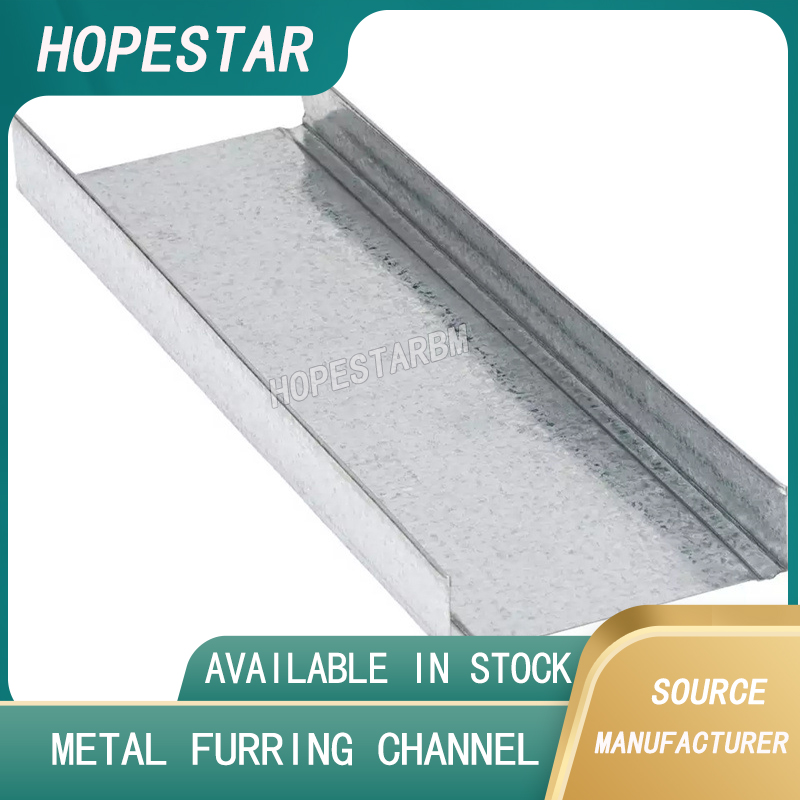
c furring channel sizes
8mm furring channel
Related Article

Ceiling wall angle, also known as perimeter angle or L-angle, is an indispensable L-shaped metal profile for suspended drywall ceiling systems. Roll-formed from cold-rolled galvanized steel, ceiling wall angle is fixed along the wall perimeter to support the ends of main channels and furring channels,
Ceiling Wall Angle – Galvanized L-Shaped Perimeter Trim for Suspended Drywall Ceilings
Galvanized steel profiles are the foundational metal framing components widely used in modern interior construction. Roll-formed from cold-rolled steel coated with protective zinc layer, galvanized steel profiles cover a full range of shapes including C studs, U tracks, omega channels,
Galvanized Steel Profiles – Reliable Cold Rolled Framing for Drywall Walls and Ceilings

Metal furring channel for ceiling is a vital secondary framing component widely used in suspended ceiling and drywall ceiling systems. Roll-formed from cold-rolled galvanized steel, this lightweight metal profile works together with main channels, hangers and wall angles to create a level,
Metal Furring Channel for Ceiling – Galvanized Secondary Framing for Suspended Drywall Ceilings

Metal omega channel, also widely called omega furring channel or hat channel, is an indispensable secondary metal framing profile for modern suspended ceilings and drywall wall furring systems. Named after its distinctive Ω shape, this profile is roll-formed from cold-rolled galvanized steel
Metal Omega Channel – Galvanized Omega Furring Channel for Drywall Ceiling and Wall Framing