
furring channel for ceiling introduce
2024-03-22
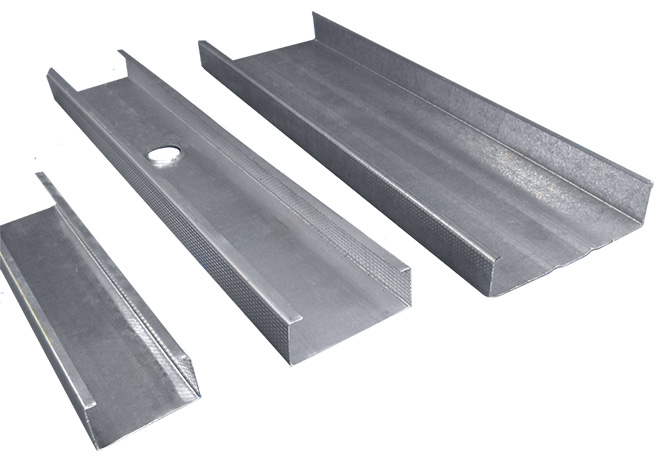
In decoration engineering, suspended ceiling is a crucial task. It not only beautifies the indoor space, but also hides infrastructure such as wires and pipes, making the overall space cleaner and more beautiful. In ceiling engineering, the installation of furring channels is an indispensable step. This article will provide a detailed introduction to the relevant knowledge of furring channel for ceiling keel, helping readers better understand and apply this technology.
1、 The function and types of ceiling keel
Suspended ceiling keel is an important component of suspended ceiling engineering, which mainly plays a role in supporting and fixing suspended ceiling materials. According to different materials and uses, ceiling keel can be divided into various types such as wooden keel, light steel keel, aluminum alloy keel, etc. Among them, light steel keel is widely used in modern interior decoration due to its advantages of fire prevention, corrosion prevention, and durability.
2、 Material selection and specifications of ceiling keel
When selecting the ceiling keel, factors such as material, specifications, and quality need to be considered. Generally speaking, high-quality ceiling keel should have sufficient load-bearing capacity and stability to withstand the weight of ceiling materials and daily usage loads. In addition, attention should also be paid to the anti-corrosion, fire resistance and other performance of the keel to ensure safe use.
In terms of specifications, the size of the ceiling keel should be selected based on the type and size of the ceiling material. Generally speaking, the spacing between ceiling keels should not be too large to ensure the flatness and stability of the ceiling material. At the same time, factors such as the length and thickness of the keel need to be considered to meet the actual needs of the ceiling project.
3、 Installation steps for ceiling keel
The installation of ceiling keel needs to follow certain steps and specifications to ensure installation quality and safe use. Specifically, the installation steps of the ceiling keel include the following aspects:
1. Determine the position and spacing of the ceiling keel. Determine the position and spacing of the ceiling keel based on the type and size of the ceiling material, and mark it on the wall.
2. Install the ceiling keel. Use specialized suspension rods or expansion screws and other tools to fix the ceiling keel to the wall. During the installation process, attention should be paid to the level and verticality of the keel to ensure the flatness and stability of the ceiling.
3. Connect the ceiling keel. Connect adjacent ceiling keels with dedicated connectors to enhance the stability and load-bearing capacity of the entire ceiling keel system.
4. Check the quality of the ceiling keel. After installation, quality inspection of the ceiling keel is required to ensure that it meets design requirements and is safe to use.
4、 Precautions for installing ceiling keel
When installing the ceiling keel, attention should be paid to the following aspects:
1. Ensure that the quality and specifications of the ceiling keel meet the design requirements, and avoid using inferior materials or keel that does not meet the specifications.
During the installation process, attention should be paid to the level and verticality of the keel to ensure the flatness and stability of the ceiling.
3. The connection of the ceiling keel should be firm and reliable to avoid problems such as looseness or detachment.
When installing the ceiling keel, attention should be paid to coordination with other projects, such as the layout and installation of infrastructure such as wires and pipelines.
After installation, it is necessary to conduct quality inspection and usage testing on the ceiling keel to ensure that it meets the design requirements and is safe to use.
In short, the suspended ceiling keel is an indispensable part of the suspended ceiling project, and its installation quality and stability have a significant impact on the quality and safety of the entire suspended ceiling project. Therefore, when carrying out ceiling engineering, it is necessary to pay attention to the installation of the ceiling keel and follow relevant technical specifications and standards to ensure the quality and safety of the ceiling engineering.
1、 The function and types of ceiling keel
Suspended ceiling keel is an important component of suspended ceiling engineering, which mainly plays a role in supporting and fixing suspended ceiling materials. According to different materials and uses, ceiling keel can be divided into various types such as wooden keel, light steel keel, aluminum alloy keel, etc. Among them, light steel keel is widely used in modern interior decoration due to its advantages of fire prevention, corrosion prevention, and durability.
2、 Material selection and specifications of ceiling keel
When selecting the ceiling keel, factors such as material, specifications, and quality need to be considered. Generally speaking, high-quality ceiling keel should have sufficient load-bearing capacity and stability to withstand the weight of ceiling materials and daily usage loads. In addition, attention should also be paid to the anti-corrosion, fire resistance and other performance of the keel to ensure safe use.
In terms of specifications, the size of the ceiling keel should be selected based on the type and size of the ceiling material. Generally speaking, the spacing between ceiling keels should not be too large to ensure the flatness and stability of the ceiling material. At the same time, factors such as the length and thickness of the keel need to be considered to meet the actual needs of the ceiling project.
3、 Installation steps for ceiling keel
The installation of ceiling keel needs to follow certain steps and specifications to ensure installation quality and safe use. Specifically, the installation steps of the ceiling keel include the following aspects:
1. Determine the position and spacing of the ceiling keel. Determine the position and spacing of the ceiling keel based on the type and size of the ceiling material, and mark it on the wall.
2. Install the ceiling keel. Use specialized suspension rods or expansion screws and other tools to fix the ceiling keel to the wall. During the installation process, attention should be paid to the level and verticality of the keel to ensure the flatness and stability of the ceiling.
3. Connect the ceiling keel. Connect adjacent ceiling keels with dedicated connectors to enhance the stability and load-bearing capacity of the entire ceiling keel system.
4. Check the quality of the ceiling keel. After installation, quality inspection of the ceiling keel is required to ensure that it meets design requirements and is safe to use.
4、 Precautions for installing ceiling keel
When installing the ceiling keel, attention should be paid to the following aspects:
1. Ensure that the quality and specifications of the ceiling keel meet the design requirements, and avoid using inferior materials or keel that does not meet the specifications.
During the installation process, attention should be paid to the level and verticality of the keel to ensure the flatness and stability of the ceiling.
3. The connection of the ceiling keel should be firm and reliable to avoid problems such as looseness or detachment.
When installing the ceiling keel, attention should be paid to coordination with other projects, such as the layout and installation of infrastructure such as wires and pipelines.
After installation, it is necessary to conduct quality inspection and usage testing on the ceiling keel to ensure that it meets the design requirements and is safe to use.
In short, the suspended ceiling keel is an indispensable part of the suspended ceiling project, and its installation quality and stability have a significant impact on the quality and safety of the entire suspended ceiling project. Therefore, when carrying out ceiling engineering, it is necessary to pay attention to the installation of the ceiling keel and follow relevant technical specifications and standards to ensure the quality and safety of the ceiling engineering.
drywall corner tape with metal introduce
What are the types of light steel keel?
Related Article

Ceiling wall angle, also known as perimeter angle or L-angle, is an indispensable L-shaped metal profile for suspended drywall ceiling systems. Roll-formed from cold-rolled galvanized steel, ceiling wall angle is fixed along the wall perimeter to support the ends of main channels and furring channels,
Ceiling Wall Angle – Galvanized L-Shaped Perimeter Trim for Suspended Drywall Ceilings
Galvanized steel profiles are the foundational metal framing components widely used in modern interior construction. Roll-formed from cold-rolled steel coated with protective zinc layer, galvanized steel profiles cover a full range of shapes including C studs, U tracks, omega channels,
Galvanized Steel Profiles – Reliable Cold Rolled Framing for Drywall Walls and Ceilings

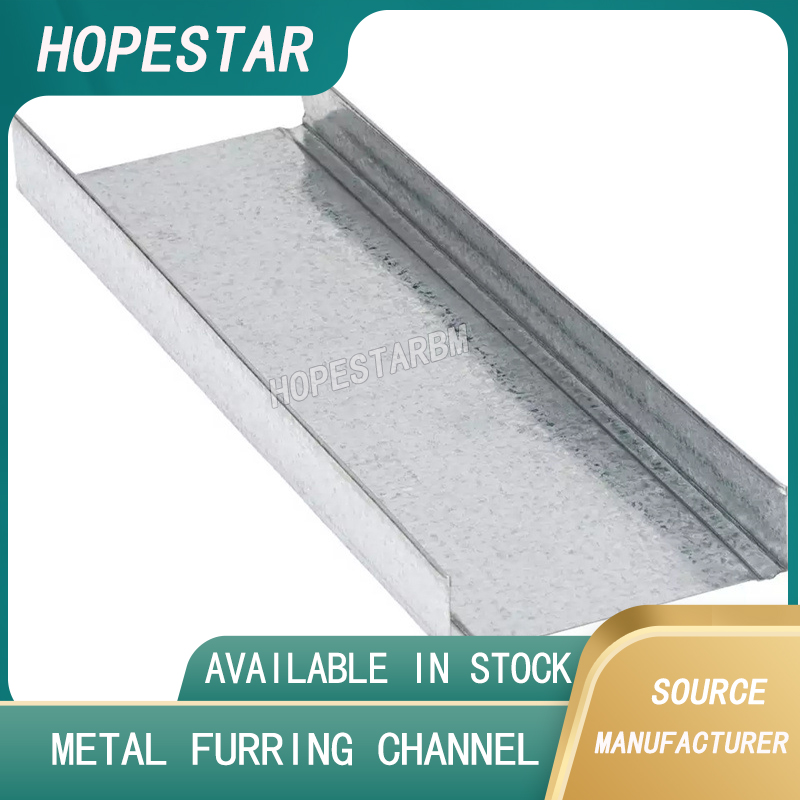
Metal furring channel for ceiling is a vital secondary framing component widely used in suspended ceiling and drywall ceiling systems. Roll-formed from cold-rolled galvanized steel, this lightweight metal profile works together with main channels, hangers and wall angles to create a level,
Metal Furring Channel for Ceiling – Galvanized Secondary Framing for Suspended Drywall Ceilings

Metal omega channel, also widely called omega furring channel or hat channel, is an indispensable secondary metal framing profile for modern suspended ceilings and drywall wall furring systems. Named after its distinctive Ω shape, this profile is roll-formed from cold-rolled galvanized steel
Metal Omega Channel – Galvanized Omega Furring Channel for Drywall Ceiling and Wall Framing