
furring channel depth
2024-07-04
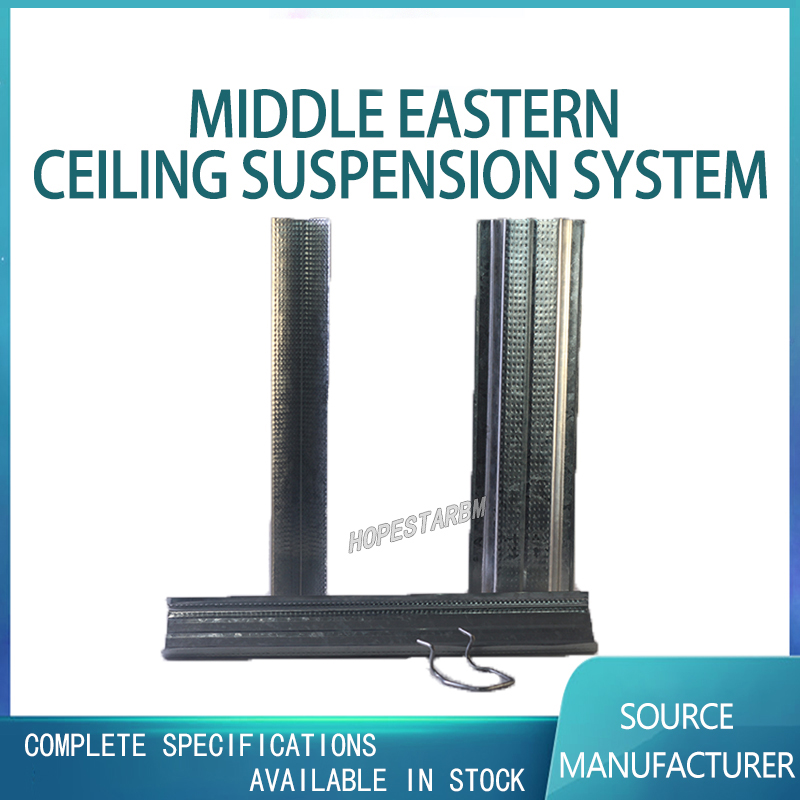
In the construction industry, especially in the fields of electrical installation and pipeline laying, furring channel (also known as "chasing channel" or "suspended ceiling keel") is a crucial component. It not only provides necessary support and protection for wires, cables, water pipes, and other pipelines, but also ensures the orderly arrangement and easy maintenance of these facilities in the ceiling space. The depth of the furring channel is one of the key factors affecting its performance and applicability.
1、 The Basic Concepts of Furring Channel Depth
The depth of a Furring channel refers to its vertical distance from the installation surface to the top opening. This depth determines the maximum diameter of wires, cables, or other pipes that can be accommodated, as well as the density of arrangement of these facilities in the ceiling space. Therefore, when designing and selecting a furring channel, it is necessary to fully consider its depth to ensure that it meets the practical needs of use.
2、 Factors that affect the depth of furring channels
1. Pipeline diameter and quantity: Different electrical and pipeline systems require wires, cables, and water pipes of different diameters. Meanwhile, multiple pipes may need to be laid in the ceiling space. Therefore, when selecting the depth of the furring channel, it is necessary to consider the diameter and quantity of the required pipes to ensure that they can be smoothly installed inside the keel.
2. Installation method: Furring channels can be installed on ceiling structures in various ways, such as screw fixation, welding, or suspension. furring channel depth,Different installation methods also have different requirements for the depth of the keel. For example, when using screws for fixation, it is necessary to consider the gap between the bottom of the keel and the ceiling structure to ensure that the screws can be firmly fixed on the keel.
3. Ceiling height and layout: The height and layout of the ceiling can also affect the selection of furring channel depth. In lower ceiling spaces, it may be necessary to choose shallower keel to save space; In higher ceiling spaces, deeper keels can be chosen to accommodate more pipes. In addition, the layout of the ceiling can also affect the arrangement of pipes within the keel, thereby affecting the selection of keel depth.
3、 How to determine the appropriate furring channel depth
1. Evaluate requirements: Firstly, it is necessary to evaluate the actual usage requirements, including the diameter, quantity, material, and installation method of the required pipes. These requirements will directly affect the selection of keel depth.
2. Choose standard size: After evaluating the requirements, furring channel depth,you can choose a keel size that meets the standards. Generally speaking, there are various depths of keel available in the market to meet the needs of different projects. When making a selection, you can choose the size that is closest to the demand based on the actual situation.
3. Consider installation and maintenance: In addition to meeting usage requirements, it is also necessary to consider the installation and maintenance of the keel. When selecting the depth of the keel, it should be ensured that they can be easily installed on the suspended ceiling structure and facilitate future maintenance and replacement of the pipeline.
4. Compliance with regulations: Finally, when selecting the depth of the keel, it is also necessary to follow relevant building codes and standards. These specifications and standards usually specify the minimum and maximum depth, material, installation method, and safety requirements of the keel to ensure the quality and safety of the project.
4、 Application Cases of Furring Channel Depth
In order to better understand the application of furring channel depth, we can give a few practical cases. For example, in an electrical installation project in a commercial office building, due to the need to lay a large number of wires and cables, furring channel depth,a deeper keel was chosen to accommodate these facilities. At the same time, in order to ensure the orderly arrangement and easy maintenance of wires and cables in the ceiling space, specialized brackets and fixtures are also used to fix them. Another case is in a hospital project where multiple pipes of different diameters (such as oxygen pipes, medical gas pipes, and wastewater pipes) need to be laid. Therefore, multiple keels of different depths were selected to meet different needs.
5、 Summary
Furring channel depth is a crucial factor in electrical installation and pipeline laying projects. Choosing the appropriate depth of the keel can ensure the orderly arrangement and easy maintenance of wires, cables, and other pipelines in the ceiling space, while improving the quality and safety of the project. When selecting the depth of the keel, it is necessary to fully consider factors such as pipeline diameter and quantity, installation method, ceiling height and layout, and follow relevant building codes and standards. Through reasonable selection and layout, we can achieve more efficient, safe, and aesthetically pleasing electrical and piping systems.
1、 The Basic Concepts of Furring Channel Depth
The depth of a Furring channel refers to its vertical distance from the installation surface to the top opening. This depth determines the maximum diameter of wires, cables, or other pipes that can be accommodated, as well as the density of arrangement of these facilities in the ceiling space. Therefore, when designing and selecting a furring channel, it is necessary to fully consider its depth to ensure that it meets the practical needs of use.
2、 Factors that affect the depth of furring channels
1. Pipeline diameter and quantity: Different electrical and pipeline systems require wires, cables, and water pipes of different diameters. Meanwhile, multiple pipes may need to be laid in the ceiling space. Therefore, when selecting the depth of the furring channel, it is necessary to consider the diameter and quantity of the required pipes to ensure that they can be smoothly installed inside the keel.
2. Installation method: Furring channels can be installed on ceiling structures in various ways, such as screw fixation, welding, or suspension. furring channel depth,Different installation methods also have different requirements for the depth of the keel. For example, when using screws for fixation, it is necessary to consider the gap between the bottom of the keel and the ceiling structure to ensure that the screws can be firmly fixed on the keel.
3. Ceiling height and layout: The height and layout of the ceiling can also affect the selection of furring channel depth. In lower ceiling spaces, it may be necessary to choose shallower keel to save space; In higher ceiling spaces, deeper keels can be chosen to accommodate more pipes. In addition, the layout of the ceiling can also affect the arrangement of pipes within the keel, thereby affecting the selection of keel depth.
3、 How to determine the appropriate furring channel depth
1. Evaluate requirements: Firstly, it is necessary to evaluate the actual usage requirements, including the diameter, quantity, material, and installation method of the required pipes. These requirements will directly affect the selection of keel depth.
2. Choose standard size: After evaluating the requirements, furring channel depth,you can choose a keel size that meets the standards. Generally speaking, there are various depths of keel available in the market to meet the needs of different projects. When making a selection, you can choose the size that is closest to the demand based on the actual situation.
3. Consider installation and maintenance: In addition to meeting usage requirements, it is also necessary to consider the installation and maintenance of the keel. When selecting the depth of the keel, it should be ensured that they can be easily installed on the suspended ceiling structure and facilitate future maintenance and replacement of the pipeline.
4. Compliance with regulations: Finally, when selecting the depth of the keel, it is also necessary to follow relevant building codes and standards. These specifications and standards usually specify the minimum and maximum depth, material, installation method, and safety requirements of the keel to ensure the quality and safety of the project.
4、 Application Cases of Furring Channel Depth
In order to better understand the application of furring channel depth, we can give a few practical cases. For example, in an electrical installation project in a commercial office building, due to the need to lay a large number of wires and cables, furring channel depth,a deeper keel was chosen to accommodate these facilities. At the same time, in order to ensure the orderly arrangement and easy maintenance of wires and cables in the ceiling space, specialized brackets and fixtures are also used to fix them. Another case is in a hospital project where multiple pipes of different diameters (such as oxygen pipes, medical gas pipes, and wastewater pipes) need to be laid. Therefore, multiple keels of different depths were selected to meet different needs.
5、 Summary
Furring channel depth is a crucial factor in electrical installation and pipeline laying projects. Choosing the appropriate depth of the keel can ensure the orderly arrangement and easy maintenance of wires, cables, and other pipelines in the ceiling space, while improving the quality and safety of the project. When selecting the depth of the keel, it is necessary to fully consider factors such as pipeline diameter and quantity, installation method, ceiling height and layout, and follow relevant building codes and standards. Through reasonable selection and layout, we can achieve more efficient, safe, and aesthetically pleasing electrical and piping systems.
furring channel cad block
plaster furring channel
Related Article

Ceiling wall angle, also known as perimeter angle or L-angle, is an indispensable L-shaped metal profile for suspended drywall ceiling systems. Roll-formed from cold-rolled galvanized steel, ceiling wall angle is fixed along the wall perimeter to support the ends of main channels and furring channels,
Ceiling Wall Angle – Galvanized L-Shaped Perimeter Trim for Suspended Drywall Ceilings

Galvanized steel profiles are the foundational metal framing components widely used in modern interior construction. Roll-formed from cold-rolled steel coated with protective zinc layer, galvanized steel profiles cover a full range of shapes including C studs, U tracks, omega channels,
Galvanized Steel Profiles – Reliable Cold Rolled Framing for Drywall Walls and Ceilings

Metal furring channel for ceiling is a vital secondary framing component widely used in suspended ceiling and drywall ceiling systems. Roll-formed from cold-rolled galvanized steel, this lightweight metal profile works together with main channels, hangers and wall angles to create a level,
Metal Furring Channel for Ceiling – Galvanized Secondary Framing for Suspended Drywall Ceilings

Metal omega channel, also widely called omega furring channel or hat channel, is an indispensable secondary metal framing profile for modern suspended ceilings and drywall wall furring systems. Named after its distinctive Ω shape, this profile is roll-formed from cold-rolled galvanized steel
Metal Omega Channel – Galvanized Omega Furring Channel for Drywall Ceiling and Wall Framing