
furring channel construction
2024-07-17
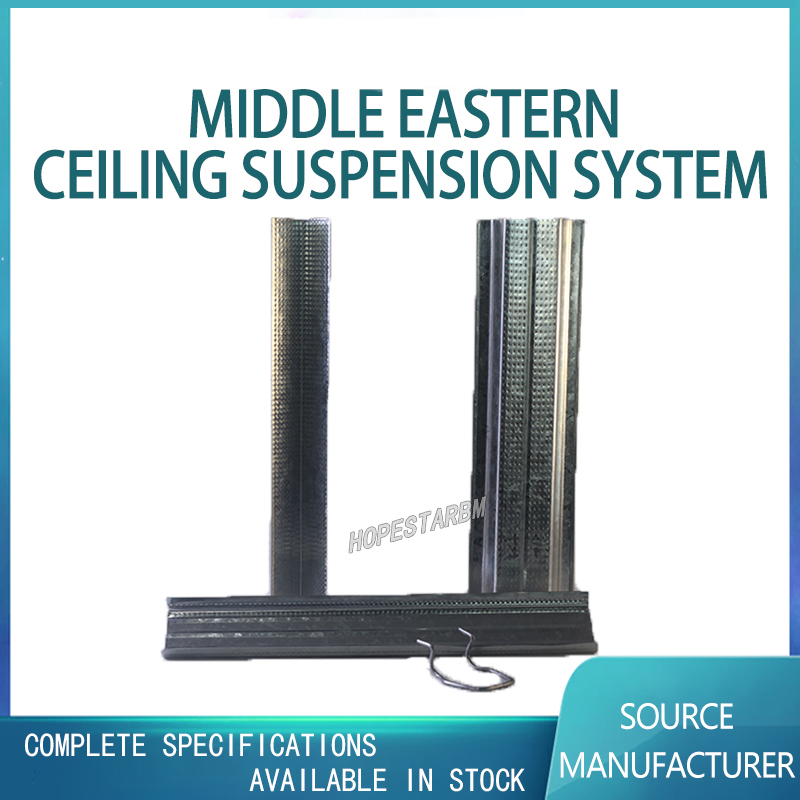
In the field of construction engineering, furring channel construction (also known as "keel construction" or "keel installation") is a crucial step that involves preparing walls, ceilings, or other building surfaces to provide a stable support structure for subsequent decorative layers. This article aims to explore in depth the definition, function, construction process, and related technical requirements and precautions of furring channel construction.
1、 Definition of Furring Channel Construction
Furring channel construction, Simply put, it is the process of installing metal or wooden furring strips on building surfaces such as concrete walls, gypsum board walls, etc. These keels serve as supporting structures for fixing decorative layers such as gypsum boards, tiles, wallpapers, etc. By precise calculation and reasonable layout, the keel system can provide uniform support for the decorative layer, ensuring the flatness and stability of the wall.
2、 The role of Furring Channel Construction
1. Provide stable support: The keel system can effectively support the decorative layer, preventing it from deforming or falling off due to factors such as gravity and temperature changes.
2. Improve construction efficiency: Using a keel system can simplify the construction process, improve construction efficiency, and reduce labor intensity.
3. Enhance decorative effect: The keel system can make the decorative layer smoother and more beautiful, improving the overall decorative effect.
3、 The construction process of furring channel construction
1. Preliminary preparation: Before construction, it is necessary to clean, repair, and measure the surface of the building to ensure that the keel system can be accurately installed in the predetermined position.
2. Selection and processing of keel materials: Based on design requirements and actual site conditions, select suitable keel materials (such as metal keels, wooden keels, etc.) and perform necessary processing such as cutting, bending, etc.
3. Keel installation: Install the keel on the surface of the building according to the design requirements and construction drawings. During the installation process, it is necessary to ensure that the spacing, verticality, and flatness parameters between the keels meet the specifications.
4. Installation of decorative layer: After the installation of the keel is completed, the installation of the decorative layer can begin. The selection of decorative layer materials should be determined based on design requirements and usage environment, such as gypsum board, tiles, wallpaper, etc. During the installation process, it is necessary to ensure that the connection between the decorative layer and the keel is firm and smooth.
5. Quality inspection and acceptance: After the construction is completed, it is necessary to conduct a quality inspection of the entire keel system, including parameters such as the firmness, flatness, and verticality of the keel installation. At the same time, it is necessary to inspect the decorative layer to ensure that it is not damaged, contaminated, or detached. After passing the acceptance inspection, subsequent work can be carried out.
4、 Technical requirements and precautions for furring channel construction
1. Technical requirements: During the furring channel construction process, it is necessary to strictly comply with relevant specifications and standards to ensure that the construction quality meets the requirements. For example, the installation of the keel system should comply with design requirements, construction drawings, and acceptance specifications; The selection of decorative layer materials should comply with the requirements of the usage environment and design.
2. Precautions: During the construction process, the following points should be noted: Firstly, ensure the cleanliness, dryness, and flatness of the building surface; Secondly, when installing the keel, it is necessary to maintain its verticality and flatness; Finally, during the installation of the decorative layer, it is necessary to avoid excessive force or improper operation that may cause damage or detachment of the decorative layer.
5、 Summary and Prospect
With the continuous development and progress of construction technology, furring channel construction, as an indispensable part of construction engineering, is also constantly improving and innovating. In the future, with the continuous emergence of new materials, technologies, and processes, the keel system will become more lightweight, sturdy, aesthetically pleasing, and intelligent. Meanwhile, as people's demands for building aesthetics and comfort continue to increase, the design and construction of keel systems will also pay more attention to details and humanized design. I believe that in the near future, furring channel construction will play a more important role in the field of architecture.
1、 Definition of Furring Channel Construction
Furring channel construction, Simply put, it is the process of installing metal or wooden furring strips on building surfaces such as concrete walls, gypsum board walls, etc. These keels serve as supporting structures for fixing decorative layers such as gypsum boards, tiles, wallpapers, etc. By precise calculation and reasonable layout, the keel system can provide uniform support for the decorative layer, ensuring the flatness and stability of the wall.
2、 The role of Furring Channel Construction
1. Provide stable support: The keel system can effectively support the decorative layer, preventing it from deforming or falling off due to factors such as gravity and temperature changes.
2. Improve construction efficiency: Using a keel system can simplify the construction process, improve construction efficiency, and reduce labor intensity.
3. Enhance decorative effect: The keel system can make the decorative layer smoother and more beautiful, improving the overall decorative effect.
3、 The construction process of furring channel construction
1. Preliminary preparation: Before construction, it is necessary to clean, repair, and measure the surface of the building to ensure that the keel system can be accurately installed in the predetermined position.
2. Selection and processing of keel materials: Based on design requirements and actual site conditions, select suitable keel materials (such as metal keels, wooden keels, etc.) and perform necessary processing such as cutting, bending, etc.
3. Keel installation: Install the keel on the surface of the building according to the design requirements and construction drawings. During the installation process, it is necessary to ensure that the spacing, verticality, and flatness parameters between the keels meet the specifications.
4. Installation of decorative layer: After the installation of the keel is completed, the installation of the decorative layer can begin. The selection of decorative layer materials should be determined based on design requirements and usage environment, such as gypsum board, tiles, wallpaper, etc. During the installation process, it is necessary to ensure that the connection between the decorative layer and the keel is firm and smooth.
5. Quality inspection and acceptance: After the construction is completed, it is necessary to conduct a quality inspection of the entire keel system, including parameters such as the firmness, flatness, and verticality of the keel installation. At the same time, it is necessary to inspect the decorative layer to ensure that it is not damaged, contaminated, or detached. After passing the acceptance inspection, subsequent work can be carried out.
4、 Technical requirements and precautions for furring channel construction
1. Technical requirements: During the furring channel construction process, it is necessary to strictly comply with relevant specifications and standards to ensure that the construction quality meets the requirements. For example, the installation of the keel system should comply with design requirements, construction drawings, and acceptance specifications; The selection of decorative layer materials should comply with the requirements of the usage environment and design.
2. Precautions: During the construction process, the following points should be noted: Firstly, ensure the cleanliness, dryness, and flatness of the building surface; Secondly, when installing the keel, it is necessary to maintain its verticality and flatness; Finally, during the installation of the decorative layer, it is necessary to avoid excessive force or improper operation that may cause damage or detachment of the decorative layer.
5、 Summary and Prospect
With the continuous development and progress of construction technology, furring channel construction, as an indispensable part of construction engineering, is also constantly improving and innovating. In the future, with the continuous emergence of new materials, technologies, and processes, the keel system will become more lightweight, sturdy, aesthetically pleasing, and intelligent. Meanwhile, as people's demands for building aesthetics and comfort continue to increase, the design and construction of keel systems will also pay more attention to details and humanized design. I believe that in the near future, furring channel construction will play a more important role in the field of architecture.
furring channel installation detail
c channel metal furring
Related Article

Ceiling wall angle, also known as perimeter angle or L-angle, is an indispensable L-shaped metal profile for suspended drywall ceiling systems. Roll-formed from cold-rolled galvanized steel, ceiling wall angle is fixed along the wall perimeter to support the ends of main channels and furring channels,
Ceiling Wall Angle – Galvanized L-Shaped Perimeter Trim for Suspended Drywall Ceilings
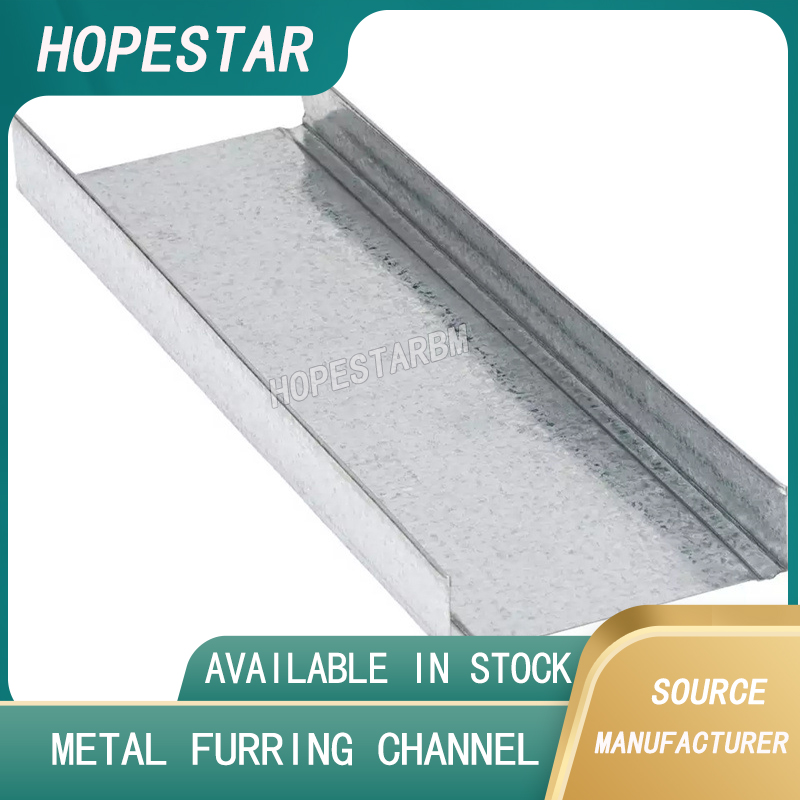
Galvanized steel profiles are the foundational metal framing components widely used in modern interior construction. Roll-formed from cold-rolled steel coated with protective zinc layer, galvanized steel profiles cover a full range of shapes including C studs, U tracks, omega channels,
Galvanized Steel Profiles – Reliable Cold Rolled Framing for Drywall Walls and Ceilings

Metal furring channel for ceiling is a vital secondary framing component widely used in suspended ceiling and drywall ceiling systems. Roll-formed from cold-rolled galvanized steel, this lightweight metal profile works together with main channels, hangers and wall angles to create a level,
Metal Furring Channel for Ceiling – Galvanized Secondary Framing for Suspended Drywall Ceilings

Metal omega channel, also widely called omega furring channel or hat channel, is an indispensable secondary metal framing profile for modern suspended ceilings and drywall wall furring systems. Named after its distinctive Ω shape, this profile is roll-formed from cold-rolled galvanized steel
Metal Omega Channel – Galvanized Omega Furring Channel for Drywall Ceiling and Wall Framing