
furring channel clips
2024-07-03
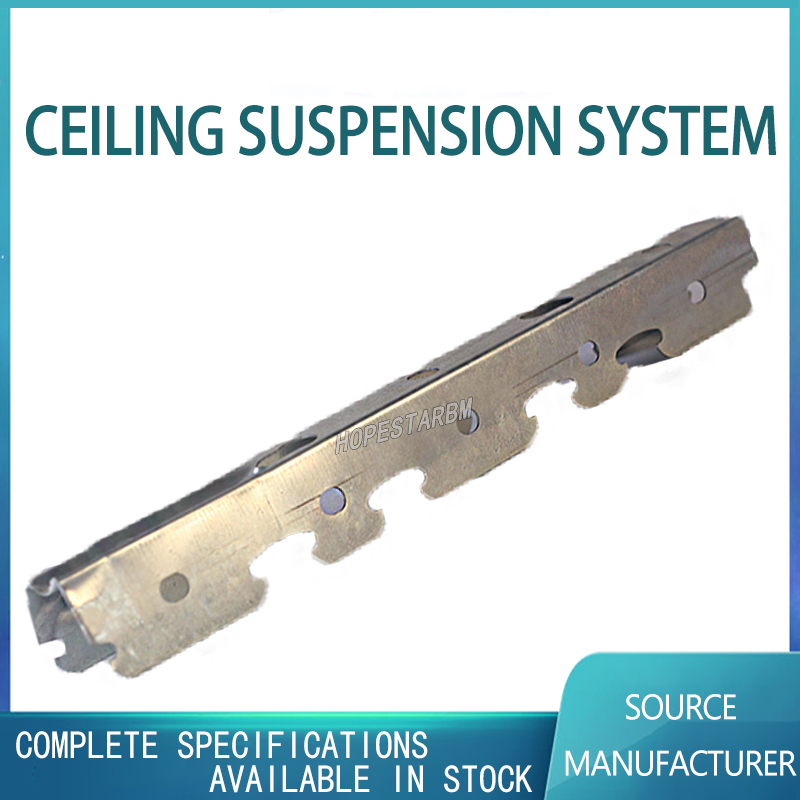
In the field of architecture and decoration, details often determine the success or failure of the final project. Among the many details, furring channel clips (RFC clips for short) may not be well-known to the public, but they play a crucial role in the construction of building walls. This article aims to explore in depth the functions, applications, installation methods, and importance of RFC clips in modern architecture.
1、 The functions and applications of RFC clips
RFC clips, furring channel clips, furring channel clips are fasteners specifically designed to connect metal keels to wall substrates. Its main function is to provide a stable and uniform support structure for the wall, to ensure the flatness and strength of the wall. RFC clips are widely used in various construction projects, especially in places with high requirements for wall flatness and strength, such as commercial office buildings, hospitals, schools, etc.
The use of RFC clips not only simplifies the process of wall installation, but also greatly improves construction efficiency. Compared with traditional wall support structures, RFC clips have higher flexibility and adjustability, and can adapt to the needs of different wall materials and structures. At the same time, RFC clips also have good durability and corrosion resistance, and can maintain stable performance under various environmental conditions.
2、 The installation method of RFC clips
The installation process of RFC clips is relatively simple, but it also requires following certain steps and techniques. Firstly, it is necessary to determine the material and size of the wall substrate in order to select the appropriate RFC clip model and specifications. Next, according to the requirements of the construction drawings, mark the position and spacing of the keel on the wall substrate. Then, use specialized tools to fix the RFC clips onto the wall substrate, furring channel clips,ensuring that they are tightly attached to the keel and accurately positioned. Finally, insert the keel into the RFC clips and secure it securely with appropriate fasteners.
When installing RFC clips, it is necessary to pay attention to the following points: first, ensure the fit between the RFC clips and the wall substrate to avoid loosening or misalignment; Secondly, attention should be paid to the spacing and arrangement of RFC clips to ensure the flatness and strength of the wall surface; Thirdly, appropriate fasteners and connection methods should be selected based on the characteristics of wall materials and environmental conditions to ensure the stability and durability of RFC clips.
3、 The importance of RFC clips in modern architecture
With the continuous development of modern architectural technology, the requirements for wall structure and performance are also increasing. As an advanced wall fastener, furring channel clips,the importance of RFC clips is increasingly prominent. Firstly, RFC clips can provide a stable and uniform support structure, ensuring the flatness and strength of the walls, thereby improving the overall quality and safety of the building. Secondly, RFC clips have a high degree of flexibility and adjustability, which can adapt to the needs of different wall materials and structures, providing architects and construction personnel with more design choices and construction convenience. In addition, RFC clips also have excellent durability and corrosion resistance, which can maintain stable performance under various environmental conditions, providing assurance for the long-term use of buildings.
In modern architecture, the application of RFC clips is not limited to traditional wall support structures, but can also be combined with other new building materials and technologies to form a more efficient, environmentally friendly, and energy-saving building system. For example, furring channel clips,RFC clips can be combined with lightweight wall materials to form a lightweight and energy-saving wall system; It can also be combined with intelligent building materials to achieve intelligent control and adjustment of walls. The application of these new building systems not only improves the performance and comfort of buildings, but also promotes the sustainable development of the construction industry.
4、 Conclusion
In summary, furring channel clips (RFC clips), as an advanced wall fastener, play an important role in modern architecture. Its stable and uniform support structure, furring channel clips,high flexibility and adjustability, excellent durability and corrosion resistance make it an ideal choice for building wall support structures. With the continuous development and innovation of modern building technology, the application prospects of RFC clips will be even broader. In the future, we have reason to believe that RFC clips will play a more important role in the construction industry and make greater contributions to the sustainable development of the industry.
1、 The functions and applications of RFC clips
RFC clips, furring channel clips, furring channel clips are fasteners specifically designed to connect metal keels to wall substrates. Its main function is to provide a stable and uniform support structure for the wall, to ensure the flatness and strength of the wall. RFC clips are widely used in various construction projects, especially in places with high requirements for wall flatness and strength, such as commercial office buildings, hospitals, schools, etc.
The use of RFC clips not only simplifies the process of wall installation, but also greatly improves construction efficiency. Compared with traditional wall support structures, RFC clips have higher flexibility and adjustability, and can adapt to the needs of different wall materials and structures. At the same time, RFC clips also have good durability and corrosion resistance, and can maintain stable performance under various environmental conditions.
2、 The installation method of RFC clips
The installation process of RFC clips is relatively simple, but it also requires following certain steps and techniques. Firstly, it is necessary to determine the material and size of the wall substrate in order to select the appropriate RFC clip model and specifications. Next, according to the requirements of the construction drawings, mark the position and spacing of the keel on the wall substrate. Then, use specialized tools to fix the RFC clips onto the wall substrate, furring channel clips,ensuring that they are tightly attached to the keel and accurately positioned. Finally, insert the keel into the RFC clips and secure it securely with appropriate fasteners.
When installing RFC clips, it is necessary to pay attention to the following points: first, ensure the fit between the RFC clips and the wall substrate to avoid loosening or misalignment; Secondly, attention should be paid to the spacing and arrangement of RFC clips to ensure the flatness and strength of the wall surface; Thirdly, appropriate fasteners and connection methods should be selected based on the characteristics of wall materials and environmental conditions to ensure the stability and durability of RFC clips.
3、 The importance of RFC clips in modern architecture
With the continuous development of modern architectural technology, the requirements for wall structure and performance are also increasing. As an advanced wall fastener, furring channel clips,the importance of RFC clips is increasingly prominent. Firstly, RFC clips can provide a stable and uniform support structure, ensuring the flatness and strength of the walls, thereby improving the overall quality and safety of the building. Secondly, RFC clips have a high degree of flexibility and adjustability, which can adapt to the needs of different wall materials and structures, providing architects and construction personnel with more design choices and construction convenience. In addition, RFC clips also have excellent durability and corrosion resistance, which can maintain stable performance under various environmental conditions, providing assurance for the long-term use of buildings.
In modern architecture, the application of RFC clips is not limited to traditional wall support structures, but can also be combined with other new building materials and technologies to form a more efficient, environmentally friendly, and energy-saving building system. For example, furring channel clips,RFC clips can be combined with lightweight wall materials to form a lightweight and energy-saving wall system; It can also be combined with intelligent building materials to achieve intelligent control and adjustment of walls. The application of these new building systems not only improves the performance and comfort of buildings, but also promotes the sustainable development of the construction industry.
4、 Conclusion
In summary, furring channel clips (RFC clips), as an advanced wall fastener, play an important role in modern architecture. Its stable and uniform support structure, furring channel clips,high flexibility and adjustability, excellent durability and corrosion resistance make it an ideal choice for building wall support structures. With the continuous development and innovation of modern building technology, the application prospects of RFC clips will be even broader. In the future, we have reason to believe that RFC clips will play a more important role in the construction industry and make greater contributions to the sustainable development of the industry.
z furring channel menards
metal stud furring channel sizes
Related Article

Ceiling wall angle, also known as perimeter angle or L-angle, is an indispensable L-shaped metal profile for suspended drywall ceiling systems. Roll-formed from cold-rolled galvanized steel, ceiling wall angle is fixed along the wall perimeter to support the ends of main channels and furring channels,
Ceiling Wall Angle – Galvanized L-Shaped Perimeter Trim for Suspended Drywall Ceilings
Galvanized steel profiles are the foundational metal framing components widely used in modern interior construction. Roll-formed from cold-rolled steel coated with protective zinc layer, galvanized steel profiles cover a full range of shapes including C studs, U tracks, omega channels,
Galvanized Steel Profiles – Reliable Cold Rolled Framing for Drywall Walls and Ceilings

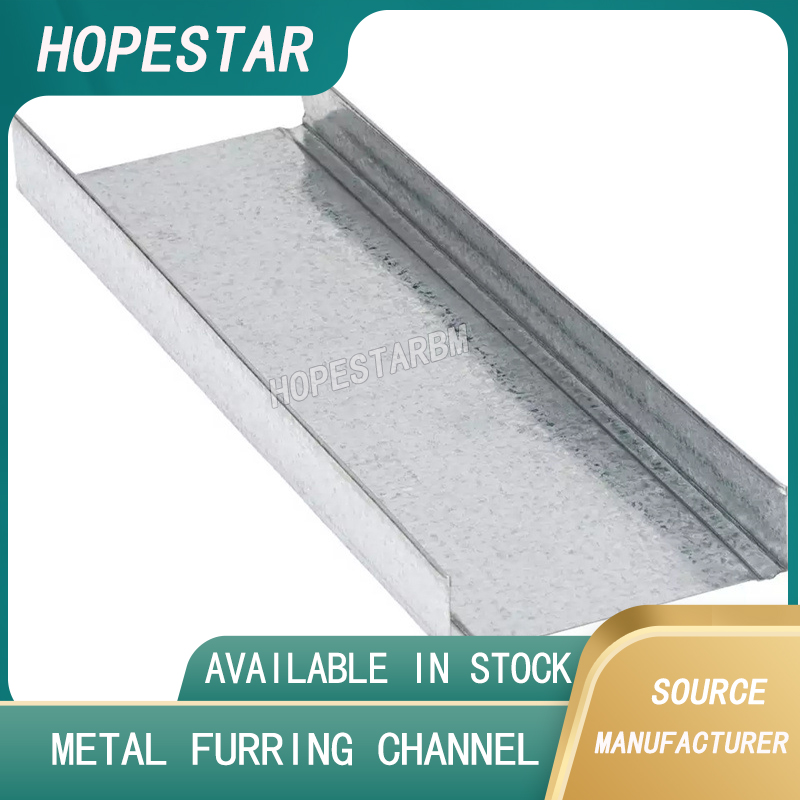
Metal furring channel for ceiling is a vital secondary framing component widely used in suspended ceiling and drywall ceiling systems. Roll-formed from cold-rolled galvanized steel, this lightweight metal profile works together with main channels, hangers and wall angles to create a level,
Metal Furring Channel for Ceiling – Galvanized Secondary Framing for Suspended Drywall Ceilings

Metal omega channel, also widely called omega furring channel or hat channel, is an indispensable secondary metal framing profile for modern suspended ceilings and drywall wall furring systems. Named after its distinctive Ω shape, this profile is roll-formed from cold-rolled galvanized steel
Metal Omega Channel – Galvanized Omega Furring Channel for Drywall Ceiling and Wall Framing