
Furring channel ceiling
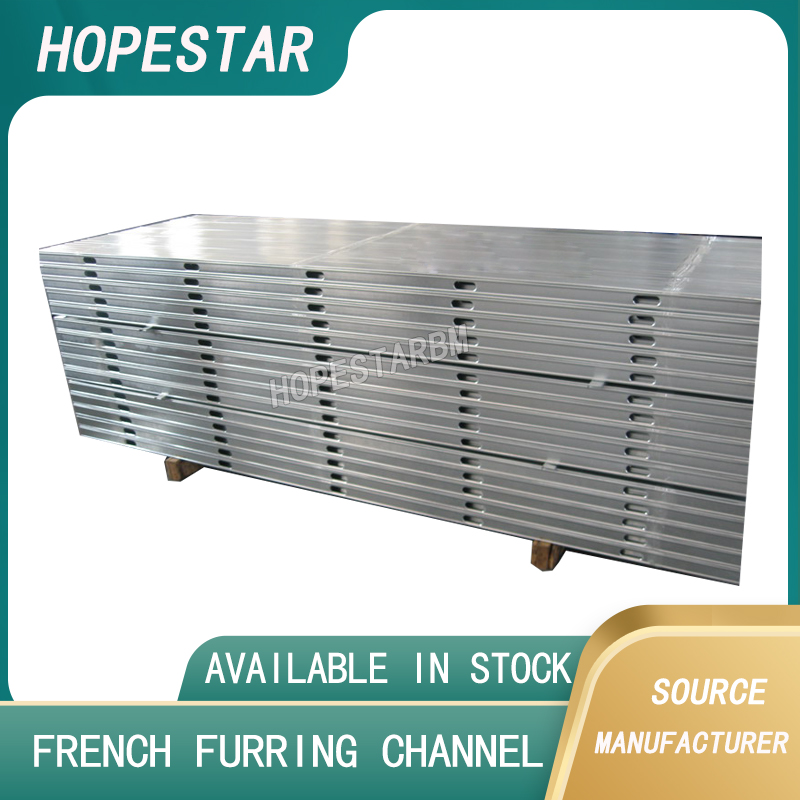
A furring channel ceiling is a suspended ceiling system that uses furring channels to create a framework for attaching ceiling materials such as drywall, plasterboard, or acoustic panels. Furring channels help provide a level surface, reduce noise transmission, and allow for insulation installation.
Components of a Furring Channel Ceiling System:
- Furring Channels – Metal or wooden strips installed perpendicular to joists to support ceiling panels.
- Main Runners (Carrying Channels) – Horizontal structural members that hold the furring channels in place.
- Wire Hangers or Clips – Used to suspend the system from the main ceiling structure.
- Fasteners – Screws, clips, or anchors to secure the channels and panels.
- Ceiling Panels – Drywall, gypsum board, or acoustic tiles attached to the furring channels.
Advantages of a Furring Channel Ceiling:
✔ Improves Soundproofing – Reduces noise transmission when combined with resilient channels or soundproof insulation.
✔ Levels Uneven Surfaces – Helps create a smooth and even ceiling.
✔ Moisture Resistance – Metal furring channels resist warping and mold in damp environments.
✔ Provides Space for Wiring & Insulation – Conceals electrical wiring, HVAC ducts, and allows for thermal insulation.
Installation Steps:
- Mark the Ceiling Height – Use a laser or chalk line to ensure level installation.
- Install Wire Hangers or Clips – Secure them to the ceiling joists or slab at appropriate intervals.
- Attach Main Runners (Carrying Channels) – These run perpendicular to the furring channels.
- Fix Furring Channels – Attach them at regular spacing (typically 16" or 24" on center).
- Secure Ceiling Panels – Fasten drywall, gypsum board, or other materials to the furring channels using screws.
Furring channel length
1/2 furring Channel
Related Article



