
furring channel ceiling system
2024-08-16
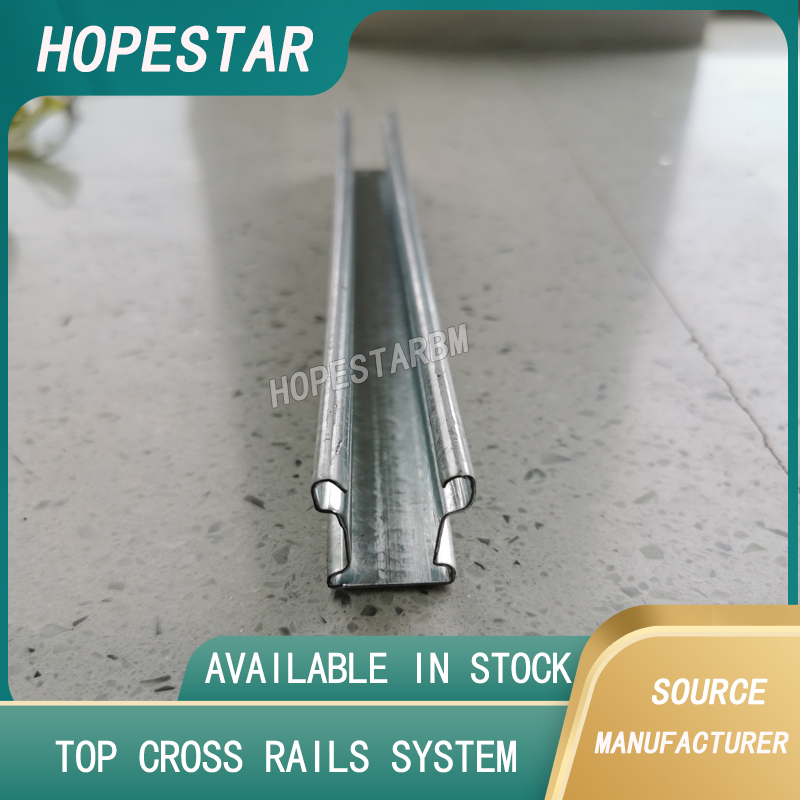
A furring channel ceiling system is a construction method used to create a level and smooth surface for ceilings, typically when finishing an interior space. Furring channels are metal or wooden strips that are attached to the underside of ceiling joists or an existing ceiling structure. These channels provide a stable framework to which ceiling materials, such as drywall or plasterboard, can be attached.
Components of a Furring Channel Ceiling System:
Furring Channels: These are usually made from lightweight galvanized steel and are designed in a "hat" or "C" shape. The channels run perpendicular to the ceiling joists and are spaced at regular intervals.
Furring Channels: These are usually made from lightweight galvanized steel and are designed in a "hat" or "C" shape. The channels run perpendicular to the ceiling joists and are spaced at regular intervals.
Primary Channels/Joists: The primary ceiling structure to which the furring channels are attached.
Ceiling Materials: Drywall, plasterboard, or other ceiling finishes are attached to the furring channels.
Fasteners: Screws, clips, or other hardware used to attach the furring channels to the ceiling joists and the ceiling material to the furring channels.
Suspension System (if needed): In cases where the ceiling is suspended (e.g., in commercial spaces), wires or rods are used to hang the furring channels from the overhead structure.
Advantages of Using a Furring Channel System:
Leveling Uneven Ceilings: Furring channels can help correct irregularities in the existing ceiling structure, providing a flat surface for the ceiling finish.
Sound Insulation: The space created between the furring channels and the original ceiling can be filled with sound-absorbing materials to enhance acoustic insulation.
Ease of Installation: The system simplifies the installation of ceiling materials and can accommodate electrical wiring, plumbing, and other utilities above the finished ceiling.
Installation Process:
Measure and Plan: Determine the layout and spacing of the furring channels based on the size of the ceiling and the type of ceiling material to be used.
Leveling Uneven Ceilings: Furring channels can help correct irregularities in the existing ceiling structure, providing a flat surface for the ceiling finish.
Sound Insulation: The space created between the furring channels and the original ceiling can be filled with sound-absorbing materials to enhance acoustic insulation.
Ease of Installation: The system simplifies the installation of ceiling materials and can accommodate electrical wiring, plumbing, and other utilities above the finished ceiling.
Installation Process:
Measure and Plan: Determine the layout and spacing of the furring channels based on the size of the ceiling and the type of ceiling material to be used.
Install Furring Channels: Attach the furring channels to the ceiling joists using appropriate fasteners, ensuring they are level and properly aligned.
Attach Ceiling Material: Secure the ceiling material to the furring channels using drywall screws or other suitable fasteners.
Finish the Ceiling: Once the ceiling material is attached, seams are taped, joints are finished, and the surface is painted or otherwise finished as desired.
This system is popular in both residential and commercial construction due to its versatility and ability to create a high-quality finish.
Is metal furring good for ceiling?
plasterboard furring channel
Related Article

Ceiling wall angle, also known as perimeter angle or L-angle, is an indispensable L-shaped metal profile for suspended drywall ceiling systems. Roll-formed from cold-rolled galvanized steel, ceiling wall angle is fixed along the wall perimeter to support the ends of main channels and furring channels,
Ceiling Wall Angle – Galvanized L-Shaped Perimeter Trim for Suspended Drywall Ceilings
Galvanized steel profiles are the foundational metal framing components widely used in modern interior construction. Roll-formed from cold-rolled steel coated with protective zinc layer, galvanized steel profiles cover a full range of shapes including C studs, U tracks, omega channels,
Galvanized Steel Profiles – Reliable Cold Rolled Framing for Drywall Walls and Ceilings

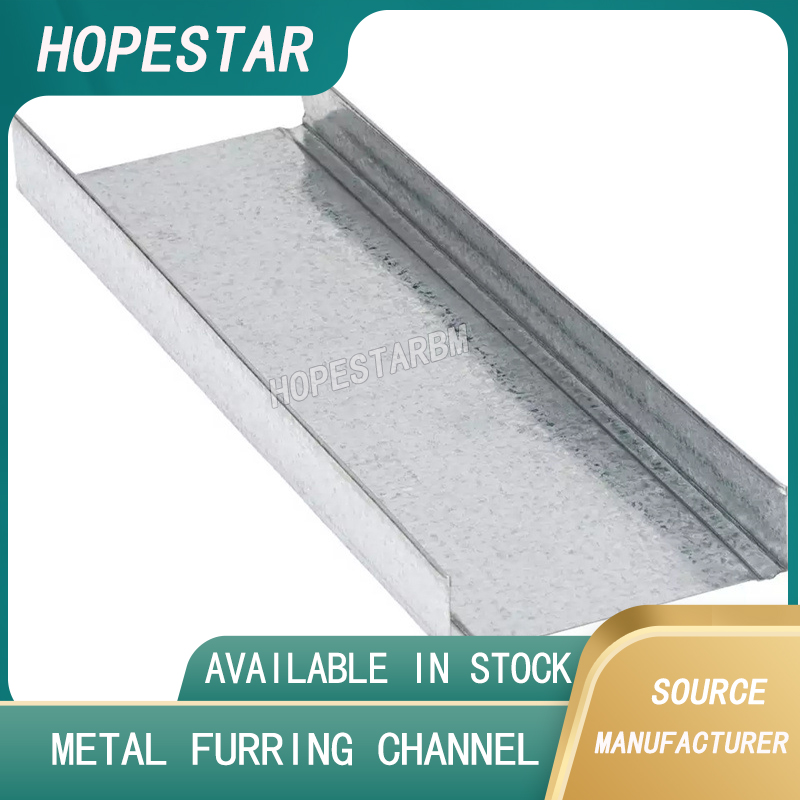
Metal furring channel for ceiling is a vital secondary framing component widely used in suspended ceiling and drywall ceiling systems. Roll-formed from cold-rolled galvanized steel, this lightweight metal profile works together with main channels, hangers and wall angles to create a level,
Metal Furring Channel for Ceiling – Galvanized Secondary Framing for Suspended Drywall Ceilings

Metal omega channel, also widely called omega furring channel or hat channel, is an indispensable secondary metal framing profile for modern suspended ceilings and drywall wall furring systems. Named after its distinctive Ω shape, this profile is roll-formed from cold-rolled galvanized steel
Metal Omega Channel – Galvanized Omega Furring Channel for Drywall Ceiling and Wall Framing