
Furring channel and main channel
2024-06-11
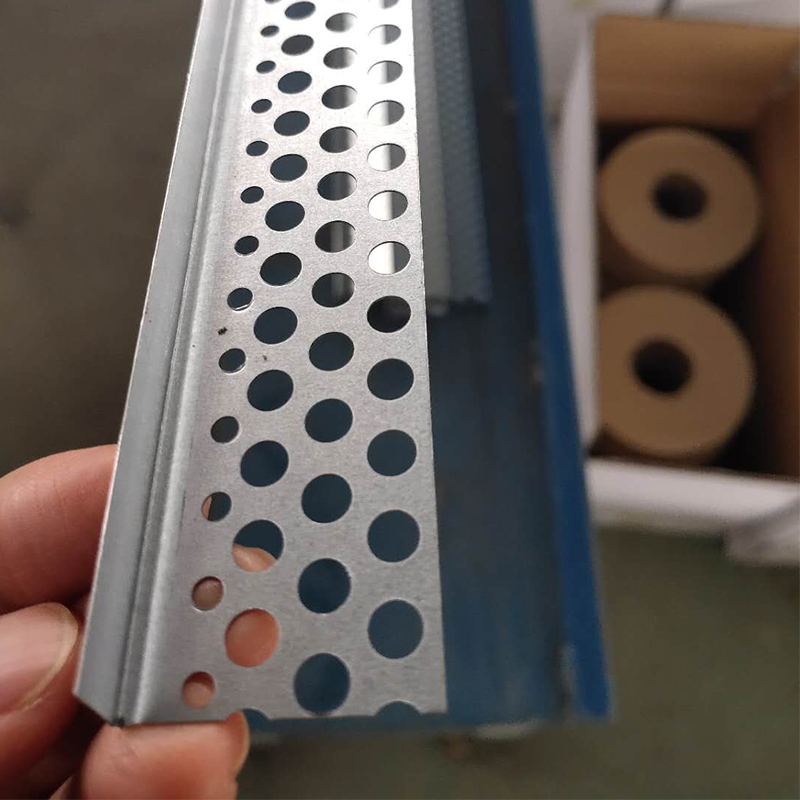
In the field of construction engineering, Furring channel and Main channel are two crucial concepts. They not only constitute the skeleton of the building structure, but also serve to support and protect the internal facilities and systems of the building. This article will delve into the definitions, functions, applications, and related installation and maintenance knowledge of Furring channel and Main channel, in order to help readers better understand and apply these two key concepts.
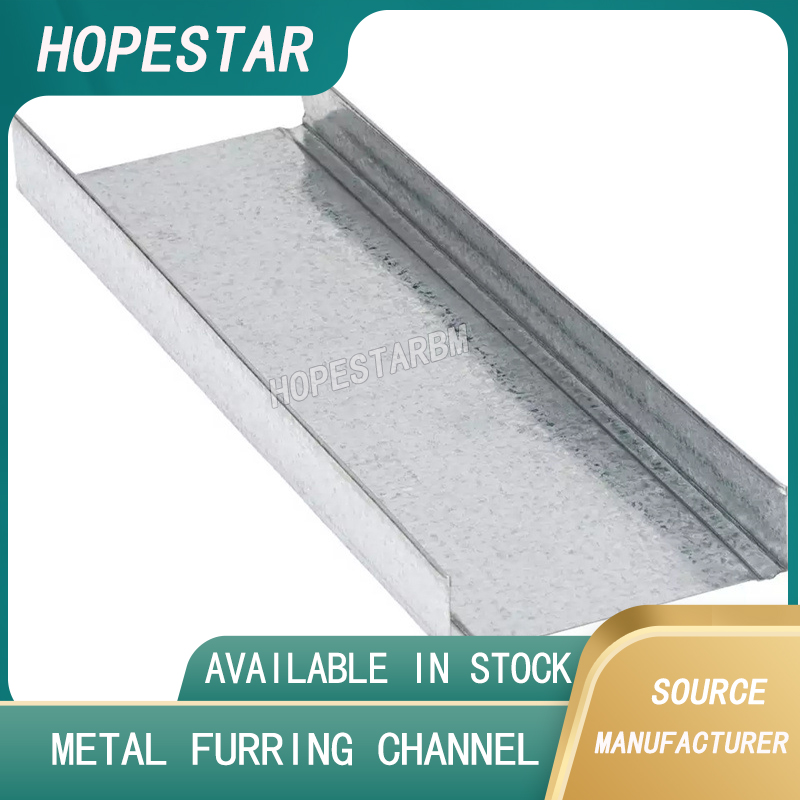
Firstly, let's understand the concept of Furring channel. Furring channel, Also known as hanger channel or ceiling keel, it is a metal frame used for installing ceiling materials. It is usually composed of a light steel keel and connectors, and has the characteristics of being lightweight, sturdy, and easy to install. The main function of Furring channel is to provide support and fixation of ceiling materials, so that the ceiling can be hung flat and stably above the building structure. In addition, it can also serve as the skeleton of the ceiling system, providing installation space for lighting, ventilation, air conditioning and other facilities inside the ceiling.
In construction engineering, Furring channel is widely used. Whether it is a commercial building, office building, or residential building, the suspended ceiling system is an indispensable part. By using Furring channel, it is easy to install various types of ceiling materials, such as gypsum board, aluminum buckle board, etc., to meet different decoration and functional requirements. Meanwhile, due to the excellent load-bearing capacity and stability of the Furring channel, it can also meet the needs of large-scale ceiling systems.
Next, let's explore the concept of Main channel. Main channel, Also known as the main keel or main passage, it is one of the most important structural parts in the ceiling system. It is usually located at the top of the ceiling system and serves to support the entire ceiling system. The material of the Main channel is usually heavy-duty steel, which has extremely high load-bearing capacity and stability.
The main function of the Main channel is to bear the weight of the suspended ceiling system and disperse it into the structural system of the building. It forms a stable support system by connecting with structural components such as beams and columns of the building, ensuring the safety and stability of the ceiling system. In addition, the Main channel can also serve as a support and fixing point for wiring, pipelines, and other facilities inside the ceiling system, facilitating construction and maintenance.
When installing the Main channel, it is necessary to make a reasonable layout and design based on the structural characteristics of the building and the requirements of the ceiling system. During the installation process, it is necessary to ensure the level and verticality of the Main channel to ensure the flatness and stability of the ceiling system. At the same time, attention should also be paid to the connection method with the structural components of the building and the selection of fixing points to ensure the firmness and safety of the ceiling system.
In addition to the installation process, maintenance and upkeep of the Main channel are also very important. Regularly inspect the connections of the Main channel for looseness or damage, and replace and repair damaged components in a timely manner to ensure the stability and safety of the ceiling system. At the same time, it is also necessary to pay attention to keeping the Main channel clean and dry to avoid problems such as corrosion and rust.
Overall, Furring channel and Main channel are two indispensable components in the ceiling system. They each undertake different functions and roles, together forming the framework of the ceiling system. By understanding and applying these two concepts, we can better design and install ceiling systems, improve the decorative effect and functional use of buildings.
In addition, with the continuous development and innovation of construction engineering technology, more and more new materials and processes are being applied to the design and construction of ceiling systems. For example, some new ceiling materials have better sound insulation, heat insulation, and fire resistance performance, which can meet higher requirements for building space requirements. At the same time, some intelligent ceiling systems have also begun to emerge, which can achieve automatic adjustment and monitoring functions through sensors and control systems, improving the energy utilization efficiency and comfort of buildings.
Therefore, as practitioners or enthusiasts in the field of construction engineering, we need to constantly learn and master new technologies and knowledge in order to better apply key concepts such as Furring channel and Main channel, and contribute to the development and progress of construction engineering.
In summary, this article provides a detailed explanation of the roles, applications, installation, and maintenance of Furring channel and Main channel in ceiling systems. By gaining a deeper understanding of these two concepts, we can better understand and apply ceiling systems to enhance the decorative effect and functional use of buildings. At the same time, we should also pay attention to the development and application of new technologies and processes to promote the continuous progress and development of construction engineering.
Firstly, let's understand the concept of Furring channel. Furring channel, Also known as hanger channel or ceiling keel, it is a metal frame used for installing ceiling materials. It is usually composed of a light steel keel and connectors, and has the characteristics of being lightweight, sturdy, and easy to install. The main function of Furring channel is to provide support and fixation of ceiling materials, so that the ceiling can be hung flat and stably above the building structure. In addition, it can also serve as the skeleton of the ceiling system, providing installation space for lighting, ventilation, air conditioning and other facilities inside the ceiling.
In construction engineering, Furring channel is widely used. Whether it is a commercial building, office building, or residential building, the suspended ceiling system is an indispensable part. By using Furring channel, it is easy to install various types of ceiling materials, such as gypsum board, aluminum buckle board, etc., to meet different decoration and functional requirements. Meanwhile, due to the excellent load-bearing capacity and stability of the Furring channel, it can also meet the needs of large-scale ceiling systems.
Next, let's explore the concept of Main channel. Main channel, Also known as the main keel or main passage, it is one of the most important structural parts in the ceiling system. It is usually located at the top of the ceiling system and serves to support the entire ceiling system. The material of the Main channel is usually heavy-duty steel, which has extremely high load-bearing capacity and stability.
The main function of the Main channel is to bear the weight of the suspended ceiling system and disperse it into the structural system of the building. It forms a stable support system by connecting with structural components such as beams and columns of the building, ensuring the safety and stability of the ceiling system. In addition, the Main channel can also serve as a support and fixing point for wiring, pipelines, and other facilities inside the ceiling system, facilitating construction and maintenance.
When installing the Main channel, it is necessary to make a reasonable layout and design based on the structural characteristics of the building and the requirements of the ceiling system. During the installation process, it is necessary to ensure the level and verticality of the Main channel to ensure the flatness and stability of the ceiling system. At the same time, attention should also be paid to the connection method with the structural components of the building and the selection of fixing points to ensure the firmness and safety of the ceiling system.
In addition to the installation process, maintenance and upkeep of the Main channel are also very important. Regularly inspect the connections of the Main channel for looseness or damage, and replace and repair damaged components in a timely manner to ensure the stability and safety of the ceiling system. At the same time, it is also necessary to pay attention to keeping the Main channel clean and dry to avoid problems such as corrosion and rust.
Overall, Furring channel and Main channel are two indispensable components in the ceiling system. They each undertake different functions and roles, together forming the framework of the ceiling system. By understanding and applying these two concepts, we can better design and install ceiling systems, improve the decorative effect and functional use of buildings.
In addition, with the continuous development and innovation of construction engineering technology, more and more new materials and processes are being applied to the design and construction of ceiling systems. For example, some new ceiling materials have better sound insulation, heat insulation, and fire resistance performance, which can meet higher requirements for building space requirements. At the same time, some intelligent ceiling systems have also begun to emerge, which can achieve automatic adjustment and monitoring functions through sensors and control systems, improving the energy utilization efficiency and comfort of buildings.
Therefore, as practitioners or enthusiasts in the field of construction engineering, we need to constantly learn and master new technologies and knowledge in order to better apply key concepts such as Furring channel and Main channel, and contribute to the development and progress of construction engineering.
In summary, this article provides a detailed explanation of the roles, applications, installation, and maintenance of Furring channel and Main channel in ceiling systems. By gaining a deeper understanding of these two concepts, we can better understand and apply ceiling systems to enhance the decorative effect and functional use of buildings. At the same time, we should also pay attention to the development and application of new technologies and processes to promote the continuous progress and development of construction engineering.
Hat Furring Channel Ceiling Spans
Metal Drywall Stud: Steel Framing
Related Article

Ceiling wall angle, also known as perimeter angle or L-angle, is an indispensable L-shaped metal profile for suspended drywall ceiling systems. Roll-formed from cold-rolled galvanized steel, ceiling wall angle is fixed along the wall perimeter to support the ends of main channels and furring channels,
Ceiling Wall Angle – Galvanized L-Shaped Perimeter Trim for Suspended Drywall Ceilings
Galvanized steel profiles are the foundational metal framing components widely used in modern interior construction. Roll-formed from cold-rolled steel coated with protective zinc layer, galvanized steel profiles cover a full range of shapes including C studs, U tracks, omega channels,
Galvanized Steel Profiles – Reliable Cold Rolled Framing for Drywall Walls and Ceilings

Metal furring channel for ceiling is a vital secondary framing component widely used in suspended ceiling and drywall ceiling systems. Roll-formed from cold-rolled galvanized steel, this lightweight metal profile works together with main channels, hangers and wall angles to create a level,
Metal Furring Channel for Ceiling – Galvanized Secondary Framing for Suspended Drywall Ceilings

Metal omega channel, also widely called omega furring channel or hat channel, is an indispensable secondary metal framing profile for modern suspended ceilings and drywall wall furring systems. Named after its distinctive Ω shape, this profile is roll-formed from cold-rolled galvanized steel
Metal Omega Channel – Galvanized Omega Furring Channel for Drywall Ceiling and Wall Framing