
Frame Steel
2026-08-14
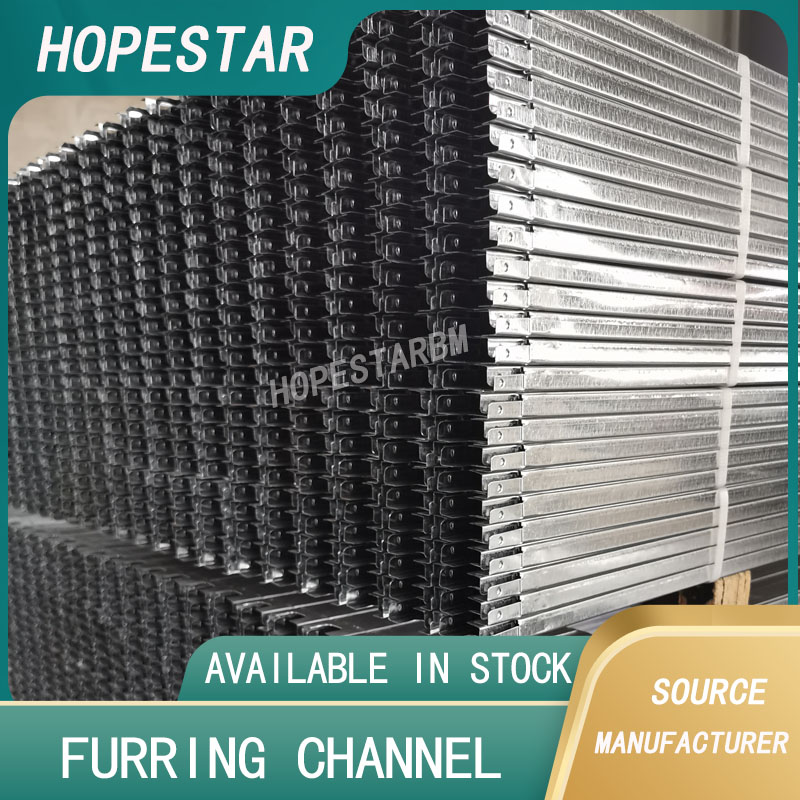
Frame steel consists of fabricated steel beams, columns and bracing components that form the load-bearing skeleton of buildings. As a mainstream structural material, it has gained growing popularity worldwide, supported by abundant engineering data and market statistics.
According to 2026 industry reports, frame steel is adopted in over 70% of newly built commercial and industrial buildings across North America. Compared with reinforced concrete structures, frame steel systems deliver outstanding strength-to-weight performance: the self-weight of steel frames can be reduced by roughly 35% under equivalent load requirements. This advantage enables clear spans up to 90 meters without intermediate columns, satisfying the design demands of warehouses, exhibition halls and stadiums that pursue open interior space.
Construction efficiency is another prominent merit backed by practical data. Most frame steel components are prefabricated in factories. Statistics show that prefabricated frame steel projects shorten total construction cycles by 30% to 50% versus cast-in-place concrete structures. Meanwhile, factory precision processing cuts on-site material waste to below 5%, far lower than the 18%–25% waste rate of traditional concrete construction. On-site labor demand can also drop by 40%–60%, effectively easing the industry’s labor shortage pressure.
From the perspective of sustainable development, frame steel boasts remarkable environmental indicators. The World Steel Association confirms that construction steel achieves a recycling rate above 92% after demolition, while concrete only reaches approximately 15%. A large number of project tests prove that frame steel buildings reduce embodied carbon emissions by an average of 32% compared with concrete frame buildings. Such performance helps developers easily obtain LEED and other green building certifications amid global carbon neutrality initiatives.
In terms of safety, frame steel features excellent ductility and seismic capacity. Flexible steel connections can absorb seismic energy through slight deformation. In earthquake-prone regions, frame steel structures maintain higher structural integrity than masonry and concrete alternatives. The design service life of standard frame steel buildings reaches 50–75 years with professional anti-corrosion and fireproof treatment, exceeding the average lifespan of ordinary concrete buildings.
The global frame steel market maintains steady expansion. Forecasts indicate the global steel structure market will grow at a CAGR of 6.1% from 2026 to 2030. Driven by urbanization, prefabricated construction policies and low-carbon targets, frame steel will continue to expand its application scope in high-rise buildings, modular housing and infrastructure. With continuous material upgrading and digital construction technology innovation, frame steel remains an irreplaceable core choice for the global construction sector.
Drywall Metal Stud and Track
Industrial Warehouse Building
Related Article

Ceiling wall angle, also known as perimeter angle or L-angle, is an indispensable L-shaped metal profile for suspended drywall ceiling systems. Roll-formed from cold-rolled galvanized steel, ceiling wall angle is fixed along the wall perimeter to support the ends of main channels and furring channels,
Ceiling Wall Angle – Galvanized L-Shaped Perimeter Trim for Suspended Drywall Ceilings
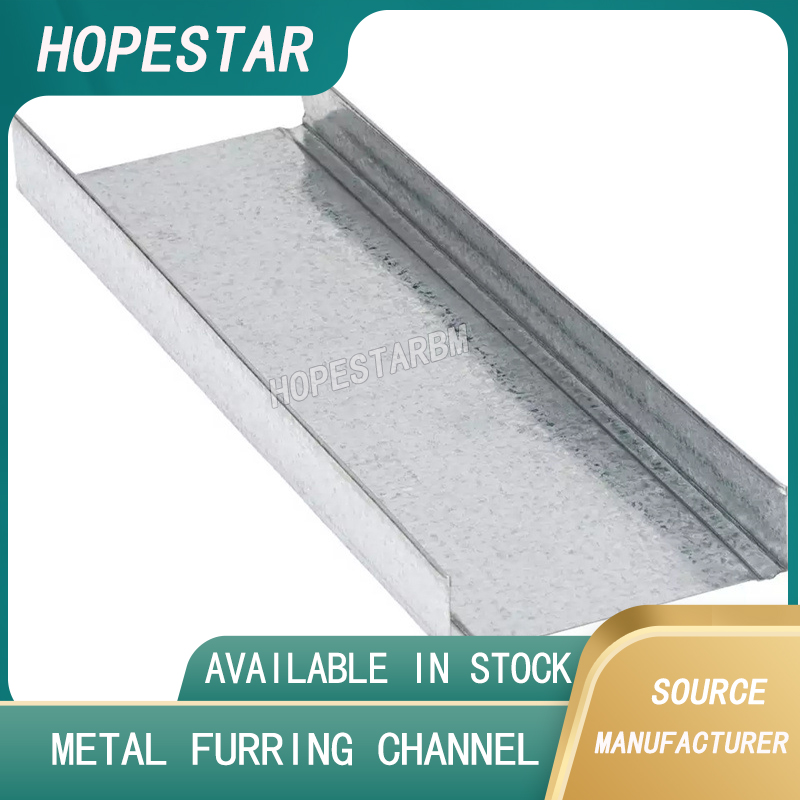
Galvanized steel profiles are the foundational metal framing components widely used in modern interior construction. Roll-formed from cold-rolled steel coated with protective zinc layer, galvanized steel profiles cover a full range of shapes including C studs, U tracks, omega channels,
Galvanized Steel Profiles – Reliable Cold Rolled Framing for Drywall Walls and Ceilings

Metal furring channel for ceiling is a vital secondary framing component widely used in suspended ceiling and drywall ceiling systems. Roll-formed from cold-rolled galvanized steel, this lightweight metal profile works together with main channels, hangers and wall angles to create a level,
Metal Furring Channel for Ceiling – Galvanized Secondary Framing for Suspended Drywall Ceilings

Metal omega channel, also widely called omega furring channel or hat channel, is an indispensable secondary metal framing profile for modern suspended ceilings and drywall wall furring systems. Named after its distinctive Ω shape, this profile is roll-formed from cold-rolled galvanized steel
Metal Omega Channel – Galvanized Omega Furring Channel for Drywall Ceiling and Wall Framing