
flexible wood to cover 2 cover metal furring channel
2024-07-11
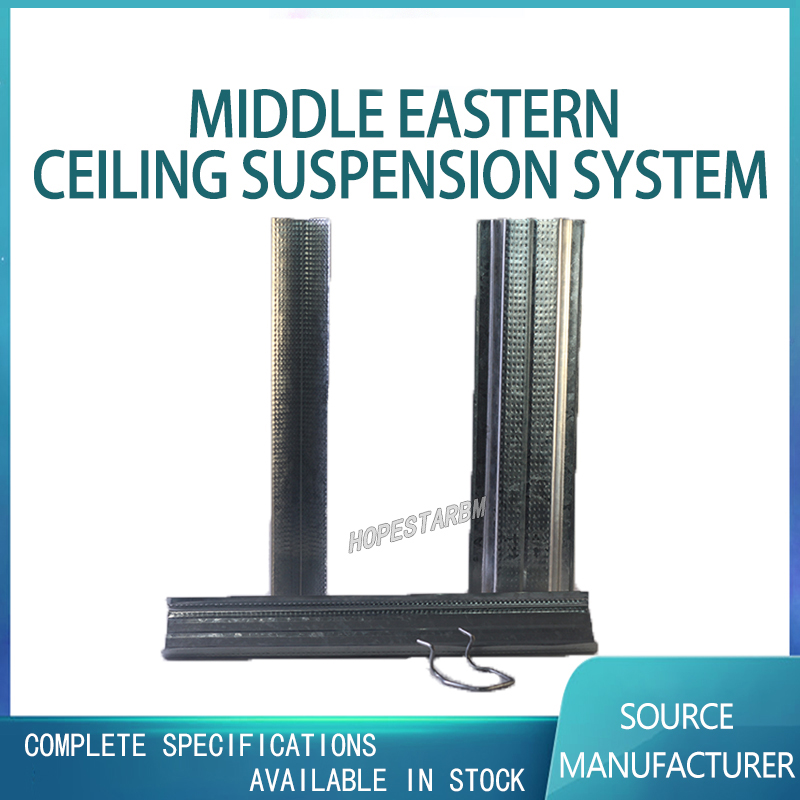
In the field of modern architecture and decoration, flexibility and innovation have always been key factors driving industry development. With the advancement of technology and the deepening of environmental protection concepts, more and more new materials are being developed to meet people's multiple needs for beauty, practicality, and environmental protection. Among them, a new type of material called "flexible wood" has attracted widespread attention in the industry due to its unique properties and broad application prospects. Especially in covering metal keel channels (known as "furring channels"), flexible wood exhibits its unique advantages.
1、 Characteristics of flexible wood
Flexible wood, as the name suggests, flexible wood to cover 2 cover metal furring channel,is a type of wood that has a certain degree of flexibility and elasticity. This material combines the rigidity of traditional wood with the flexibility of synthetic materials through a special production process, forming a new type of building material. Flexible wood not only retains the natural texture and aesthetics of wood, but also has various excellent properties such as waterproofing, fireproofing, corrosion resistance, and wear resistance. In addition, flexible wood also has good sound insulation and thermal insulation effects, which can effectively improve the comfort of living spaces.
2、 The role and problems of metal keel channels
Metal keel channel is a widely used material in building decoration, mainly used for the installation of ceilings, partitions and other parts. It has the advantages of structural stability, strong load-bearing capacity, and easy installation,flexible wood to cover 2 cover metal furring channel, and is an indispensable part of modern building decoration. However, there are also some issues with the use of metal keel channels. Firstly, the surface of the metal keel channel is relatively hard, which can easily cause scratches or collision injuries to personnel. Secondly, the metal keel channel needs to be used in conjunction with other materials during installation, such as gypsum board, aluminum buckle board, etc. These materials often require screws or nails for fixation, which can easily damage the surface of the keel channel and affect its appearance and service life.
3、 Application of flexible wood in covering metal keel channels
Flexible wood provides an ideal solution to the problems of metal keel channels. Firstly, the flexibility and elasticity of flexible wood can effectively prevent personnel from being injured by scratches or collisions during use. Secondly, flexible wood can easily cover the metal keel channel without the need for screws or nails to fix it, avoiding damage to the surface of the keel channel. Meanwhile, the waterproof, fireproof, and corrosion-resistant properties of flexible wood can also provide better protection for metal keel channels.
In practical applications, flexible wood can be fixed to metal keel channels through methods such as pasting and clasping. Firstly, according to the size and shape of the keel channel, cut the flexible wood into the appropriate size. Then, use a specialized adhesive to stick the flexible wood onto the keel channel, or use clips to secure it onto the keel channel. Finally, flexible wood can be surface treated as needed, such as spraying, printing, etc., to meet different decoration needs.
4、 The advantages of flexible wood in covering metal keel channels
Compared with traditional covering materials,flexible wood to cover 2 cover metal furring channel, flexible wood has the following advantages in covering metal keel channels:
1. High safety: The flexibility and elasticity of flexible wood can effectively prevent personnel from being scratched or bumped during use, improving the safety of use.
2. Easy installation: Flexible wood does not require screws or nails to fix, making the installation process simple and fast, reducing construction difficulty and costs.
3. Good aesthetics: Flexible wood retains the natural texture and aesthetics of wood, which can be coordinated with various decoration styles and improve the overall decoration effect.
4. Environmental protection and energy conservation: Flexible wood is made of environmentally friendly materials, non-toxic and odorless, and meets relevant national environmental standards. Meanwhile, its excellent sound insulation and thermal insulation performance can also reduce energy consumption and improve the comfort of living spaces.
5. Strong durability: Flexible wood has various excellent properties such as waterproofing, fireproofing, and corrosion resistance, which can maintain stable performance and service life for a long time.
5、 Conclusion
With the continuous improvement of people's requirements for building decoration and the deepening of environmental protection concepts, flexible wood, as a new type of building decoration material, has broad application prospects and market potential. In terms of covering metal keel channels, flexible wood has brought new solutions and ideas to the construction and decoration industry with its unique performance and advantages. In the future, with the continuous advancement of technology and the expansion of applications, flexible wood is expected to play a more important role in the field of construction and decoration.
1、 Characteristics of flexible wood
Flexible wood, as the name suggests, flexible wood to cover 2 cover metal furring channel,is a type of wood that has a certain degree of flexibility and elasticity. This material combines the rigidity of traditional wood with the flexibility of synthetic materials through a special production process, forming a new type of building material. Flexible wood not only retains the natural texture and aesthetics of wood, but also has various excellent properties such as waterproofing, fireproofing, corrosion resistance, and wear resistance. In addition, flexible wood also has good sound insulation and thermal insulation effects, which can effectively improve the comfort of living spaces.
2、 The role and problems of metal keel channels
Metal keel channel is a widely used material in building decoration, mainly used for the installation of ceilings, partitions and other parts. It has the advantages of structural stability, strong load-bearing capacity, and easy installation,flexible wood to cover 2 cover metal furring channel, and is an indispensable part of modern building decoration. However, there are also some issues with the use of metal keel channels. Firstly, the surface of the metal keel channel is relatively hard, which can easily cause scratches or collision injuries to personnel. Secondly, the metal keel channel needs to be used in conjunction with other materials during installation, such as gypsum board, aluminum buckle board, etc. These materials often require screws or nails for fixation, which can easily damage the surface of the keel channel and affect its appearance and service life.
3、 Application of flexible wood in covering metal keel channels
Flexible wood provides an ideal solution to the problems of metal keel channels. Firstly, the flexibility and elasticity of flexible wood can effectively prevent personnel from being injured by scratches or collisions during use. Secondly, flexible wood can easily cover the metal keel channel without the need for screws or nails to fix it, avoiding damage to the surface of the keel channel. Meanwhile, the waterproof, fireproof, and corrosion-resistant properties of flexible wood can also provide better protection for metal keel channels.
In practical applications, flexible wood can be fixed to metal keel channels through methods such as pasting and clasping. Firstly, according to the size and shape of the keel channel, cut the flexible wood into the appropriate size. Then, use a specialized adhesive to stick the flexible wood onto the keel channel, or use clips to secure it onto the keel channel. Finally, flexible wood can be surface treated as needed, such as spraying, printing, etc., to meet different decoration needs.
4、 The advantages of flexible wood in covering metal keel channels
Compared with traditional covering materials,flexible wood to cover 2 cover metal furring channel, flexible wood has the following advantages in covering metal keel channels:
1. High safety: The flexibility and elasticity of flexible wood can effectively prevent personnel from being scratched or bumped during use, improving the safety of use.
2. Easy installation: Flexible wood does not require screws or nails to fix, making the installation process simple and fast, reducing construction difficulty and costs.
3. Good aesthetics: Flexible wood retains the natural texture and aesthetics of wood, which can be coordinated with various decoration styles and improve the overall decoration effect.
4. Environmental protection and energy conservation: Flexible wood is made of environmentally friendly materials, non-toxic and odorless, and meets relevant national environmental standards. Meanwhile, its excellent sound insulation and thermal insulation performance can also reduce energy consumption and improve the comfort of living spaces.
5. Strong durability: Flexible wood has various excellent properties such as waterproofing, fireproofing, and corrosion resistance, which can maintain stable performance and service life for a long time.
5、 Conclusion
With the continuous improvement of people's requirements for building decoration and the deepening of environmental protection concepts, flexible wood, as a new type of building decoration material, has broad application prospects and market potential. In terms of covering metal keel channels, flexible wood has brought new solutions and ideas to the construction and decoration industry with its unique performance and advantages. In the future, with the continuous advancement of technology and the expansion of applications, flexible wood is expected to play a more important role in the field of construction and decoration.
length of metal furring
design of furring channel
Related Article

Ceiling wall angle, also known as perimeter angle or L-angle, is an indispensable L-shaped metal profile for suspended drywall ceiling systems. Roll-formed from cold-rolled galvanized steel, ceiling wall angle is fixed along the wall perimeter to support the ends of main channels and furring channels,
Ceiling Wall Angle – Galvanized L-Shaped Perimeter Trim for Suspended Drywall Ceilings
Galvanized steel profiles are the foundational metal framing components widely used in modern interior construction. Roll-formed from cold-rolled steel coated with protective zinc layer, galvanized steel profiles cover a full range of shapes including C studs, U tracks, omega channels,
Galvanized Steel Profiles – Reliable Cold Rolled Framing for Drywall Walls and Ceilings

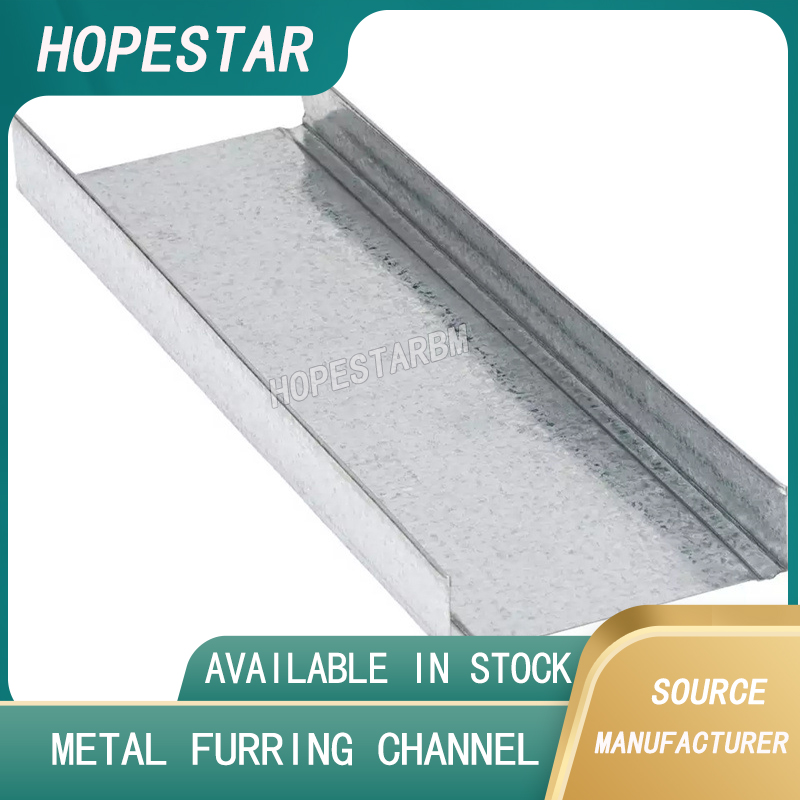
Metal furring channel for ceiling is a vital secondary framing component widely used in suspended ceiling and drywall ceiling systems. Roll-formed from cold-rolled galvanized steel, this lightweight metal profile works together with main channels, hangers and wall angles to create a level,
Metal Furring Channel for Ceiling – Galvanized Secondary Framing for Suspended Drywall Ceilings

Metal omega channel, also widely called omega furring channel or hat channel, is an indispensable secondary metal framing profile for modern suspended ceilings and drywall wall furring systems. Named after its distinctive Ω shape, this profile is roll-formed from cold-rolled galvanized steel
Metal Omega Channel – Galvanized Omega Furring Channel for Drywall Ceiling and Wall Framing