
Features of Top Cross Rail
2024-08-13
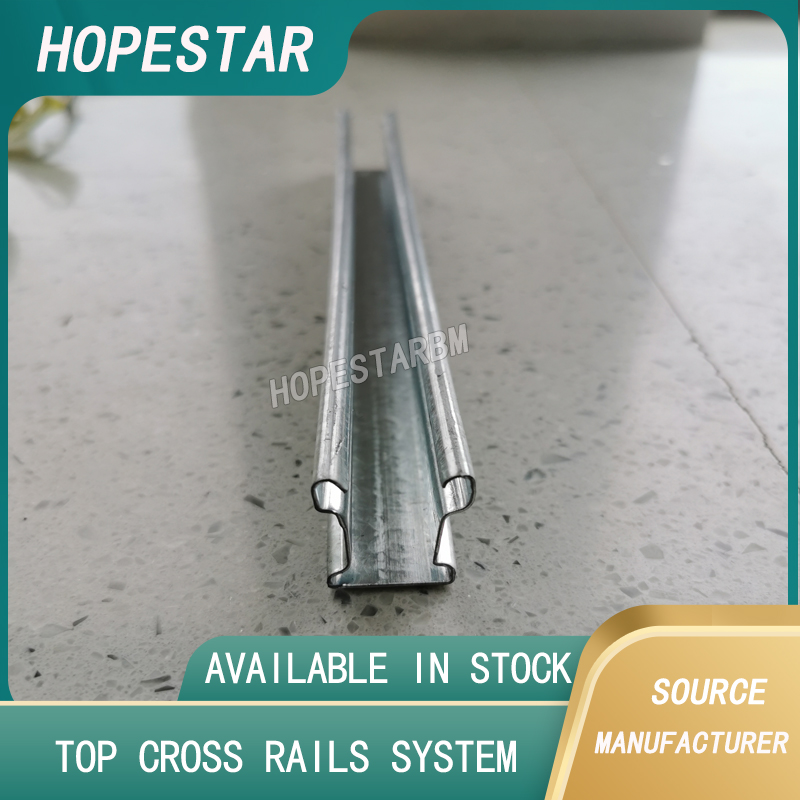
A Top Cross Rail (TCR) is a crucial component in a suspended ceiling system, particularly in metal furring ceilings. It is part of the framing that helps to support and distribute the weight of the ceiling materials evenly. Here's a breakdown:
Features of Top Cross Rail (TCR):
Profile: The TCR is typically a galvanized steel section with a specific profile, often resembling a "T" or "C" shape, which gives it strength and rigidity.
Purpose: The TCR runs perpendicular to the main runners or carrying channels and is used to connect the furring channels. This forms a grid system that supports the ceiling boards or panels.
Installation:
The TCR is clipped or fastened to the main runners, creating the cross-sectional framework.
Furring channels are then attached to the TCR, either by snapping into place or being screwed, depending on the design of the system.
Spacing: The spacing of TCRs is critical as it determines the strength and stability of the ceiling. It is typically installed at regular intervals, depending on the ceiling design and the weight of the finishing materials.
Advantages:
Structural Integrity: The TCR adds strength to the ceiling framework, preventing sagging and ensuring a long-lasting, stable ceiling.
Ease of Installation: The use of TCRs simplifies the installation process, making it easier to create a flat, level ceiling surface.
Versatility: TCRs can accommodate various ceiling designs and materials, making them suitable for a wide range of applications.
In summary, the Top Cross Rail is a key structural element in metal furring ceiling systems, ensuring the ceiling is stable, level, and capable of supporting the finishing materials.
Profile: The TCR is typically a galvanized steel section with a specific profile, often resembling a "T" or "C" shape, which gives it strength and rigidity.
Purpose: The TCR runs perpendicular to the main runners or carrying channels and is used to connect the furring channels. This forms a grid system that supports the ceiling boards or panels.
Installation:
The TCR is clipped or fastened to the main runners, creating the cross-sectional framework.
Furring channels are then attached to the TCR, either by snapping into place or being screwed, depending on the design of the system.
Spacing: The spacing of TCRs is critical as it determines the strength and stability of the ceiling. It is typically installed at regular intervals, depending on the ceiling design and the weight of the finishing materials.
Advantages:
Structural Integrity: The TCR adds strength to the ceiling framework, preventing sagging and ensuring a long-lasting, stable ceiling.
Ease of Installation: The use of TCRs simplifies the installation process, making it easier to create a flat, level ceiling surface.
Versatility: TCRs can accommodate various ceiling designs and materials, making them suitable for a wide range of applications.
In summary, the Top Cross Rail is a key structural element in metal furring ceiling systems, ensuring the ceiling is stable, level, and capable of supporting the finishing materials.
wall corner protector strips
what is metal furring ceiling?What is the installation process?
Related Article

Ceiling wall angle, also known as perimeter angle or L-angle, is an indispensable L-shaped metal profile for suspended drywall ceiling systems. Roll-formed from cold-rolled galvanized steel, ceiling wall angle is fixed along the wall perimeter to support the ends of main channels and furring channels,
Ceiling Wall Angle – Galvanized L-Shaped Perimeter Trim for Suspended Drywall Ceilings
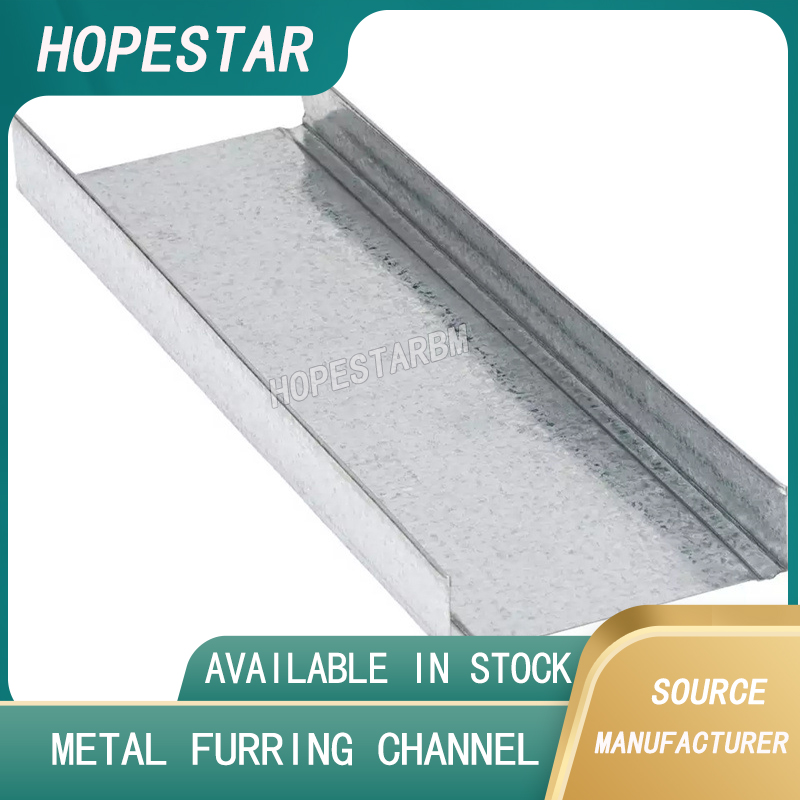
Galvanized steel profiles are the foundational metal framing components widely used in modern interior construction. Roll-formed from cold-rolled steel coated with protective zinc layer, galvanized steel profiles cover a full range of shapes including C studs, U tracks, omega channels,
Galvanized Steel Profiles – Reliable Cold Rolled Framing for Drywall Walls and Ceilings

Metal furring channel for ceiling is a vital secondary framing component widely used in suspended ceiling and drywall ceiling systems. Roll-formed from cold-rolled galvanized steel, this lightweight metal profile works together with main channels, hangers and wall angles to create a level,
Metal Furring Channel for Ceiling – Galvanized Secondary Framing for Suspended Drywall Ceilings

Metal omega channel, also widely called omega furring channel or hat channel, is an indispensable secondary metal framing profile for modern suspended ceilings and drywall wall furring systems. Named after its distinctive Ω shape, this profile is roll-formed from cold-rolled galvanized steel
Metal Omega Channel – Galvanized Omega Furring Channel for Drywall Ceiling and Wall Framing