
exterior z-furring channel
2024-06-28

In the construction industry, especially in the field of exterior wall insulation and decoration, the application of external Z-shaped keel channels is becoming increasingly widespread. This unique architectural element not only provides strong support for the exterior walls, but also plays an important role in insulation, waterproofing, ventilation, and other aspects. This article will delve into the structure, function, installation methods, and practical applications of the 'external z-building channel' in modern architecture.
1、 Structure and Design
`External z-furring channel is a Z-shaped keel channel made of galvanized steel plate or aluminum alloy material. Its unique Z-shaped design allows it to form a cavity in the exterior wall insulation system, which provides installation space for insulation materials and additional support for the exterior wall.
The Z-shaped keel channel is usually composed of horizontal and vertical wing plates. The horizontal wing plate is used to fix it on the outer wall base layer, while the vertical wing plate is in contact with the insulation material, playing a supporting and fixing role. In addition, the Z-shaped keel channel can also be customized as needed to adapt to different thicknesses and types of insulation materials.
2、 Features and Applications
1. Thermal insulation: The 'external z-heating channel' provides an installation space for external wall insulation materials, allowing them to tightly adhere to the base layer of the external wall, forming a continuous insulation layer. This insulation layer can effectively prevent the transfer of outdoor heat to the interior, improving the insulation performance of the building.
2. Waterproof and moisture-proof: A waterproof layer is usually installed between the Z-shaped keel channel and the outer wall base layer. In this way, even if there is water seepage in the base layer of the exterior wall, it can be blocked by a waterproof layer to prevent water from penetrating into the insulation material, thereby ensuring the dryness and durability of the insulation material.
3. Ventilation and breathability: The design of the Z-shaped keel channel provides a certain degree of ventilation and breathability for the external wall insulation system. This can not only prevent the growth of mold and bacteria caused by moisture inside the insulation material, but also keep the indoor air fresh and dry.
4. Increase the strength of the exterior wall: The 'exterior z-furring channel' provides an additional support structure for the exterior wall, enhancing its overall strength. This makes buildings more resistant to natural disasters such as strong winds and earthquakes.
3、 Installation method
The installation of the 'external z-sourcing channel' typically involves the following steps:
1. Clean the exterior wall base layer: Ensure that the exterior wall base layer is flat, dry, and free of oil and debris.
2. Line positioning: According to design requirements, exterior z-furring channel,mark horizontal and vertical lines on the base layer of the exterior wall to determine the installation position and spacing of the Z-shaped keel channel.
3. Install fixing parts: Use special fixing parts to fix the horizontal wing plate of the Z-shaped keel channel on the outer wall base. The fixing parts should be evenly distributed, firm and reliable.
4. Install Z-shaped keel channel: Insert the vertical wing plate of the Z-shaped keel channel into the gap between the horizontal wings and fix it with special tools. Ensure that the Z-shaped keel channel is installed smoothly, vertically, and with consistent spacing.
5. Filling insulation material: Fill insulation material between the Z-shaped keel channels to ensure that the insulation material is filled tightly and without gaps.
6. Install decorative panels: Install decorative panels on the surface of insulation materials, such as aluminum panels, stone, etc. The installation of decorative panels should be flat, firm, and aesthetically pleasing.
4、 Practical applications in modern architecture
With the continuous development of the construction industry,exterior z-furring channel, the application of 'external z-building channel' in modern architecture is becoming increasingly widespread. Whether it is residential, office, or commercial complexes, the figure of the Z-shaped keel passage can be seen. It provides better insulation, waterproofing, moisture resistance, ventilation, and increased strength for buildings with its unique structural and functional advantages. Meanwhile, the installation method of Z-shaped keel channels is simple and fast, which can greatly improve construction efficiency and quality.
In summary, as an important architectural element, the 'exterior z-furring channel' plays an increasingly important role in the field of exterior wall insulation and decoration. With the continuous progress of technology and the expansion of application fields, it is believed that Z-shaped keel channels will play a more important role in the future construction industry.
1、 Structure and Design
`External z-furring channel is a Z-shaped keel channel made of galvanized steel plate or aluminum alloy material. Its unique Z-shaped design allows it to form a cavity in the exterior wall insulation system, which provides installation space for insulation materials and additional support for the exterior wall.
The Z-shaped keel channel is usually composed of horizontal and vertical wing plates. The horizontal wing plate is used to fix it on the outer wall base layer, while the vertical wing plate is in contact with the insulation material, playing a supporting and fixing role. In addition, the Z-shaped keel channel can also be customized as needed to adapt to different thicknesses and types of insulation materials.
2、 Features and Applications
1. Thermal insulation: The 'external z-heating channel' provides an installation space for external wall insulation materials, allowing them to tightly adhere to the base layer of the external wall, forming a continuous insulation layer. This insulation layer can effectively prevent the transfer of outdoor heat to the interior, improving the insulation performance of the building.
2. Waterproof and moisture-proof: A waterproof layer is usually installed between the Z-shaped keel channel and the outer wall base layer. In this way, even if there is water seepage in the base layer of the exterior wall, it can be blocked by a waterproof layer to prevent water from penetrating into the insulation material, thereby ensuring the dryness and durability of the insulation material.
3. Ventilation and breathability: The design of the Z-shaped keel channel provides a certain degree of ventilation and breathability for the external wall insulation system. This can not only prevent the growth of mold and bacteria caused by moisture inside the insulation material, but also keep the indoor air fresh and dry.
4. Increase the strength of the exterior wall: The 'exterior z-furring channel' provides an additional support structure for the exterior wall, enhancing its overall strength. This makes buildings more resistant to natural disasters such as strong winds and earthquakes.
3、 Installation method
The installation of the 'external z-sourcing channel' typically involves the following steps:
1. Clean the exterior wall base layer: Ensure that the exterior wall base layer is flat, dry, and free of oil and debris.
2. Line positioning: According to design requirements, exterior z-furring channel,mark horizontal and vertical lines on the base layer of the exterior wall to determine the installation position and spacing of the Z-shaped keel channel.
3. Install fixing parts: Use special fixing parts to fix the horizontal wing plate of the Z-shaped keel channel on the outer wall base. The fixing parts should be evenly distributed, firm and reliable.
4. Install Z-shaped keel channel: Insert the vertical wing plate of the Z-shaped keel channel into the gap between the horizontal wings and fix it with special tools. Ensure that the Z-shaped keel channel is installed smoothly, vertically, and with consistent spacing.
5. Filling insulation material: Fill insulation material between the Z-shaped keel channels to ensure that the insulation material is filled tightly and without gaps.
6. Install decorative panels: Install decorative panels on the surface of insulation materials, such as aluminum panels, stone, etc. The installation of decorative panels should be flat, firm, and aesthetically pleasing.
4、 Practical applications in modern architecture
With the continuous development of the construction industry,exterior z-furring channel, the application of 'external z-building channel' in modern architecture is becoming increasingly widespread. Whether it is residential, office, or commercial complexes, the figure of the Z-shaped keel passage can be seen. It provides better insulation, waterproofing, moisture resistance, ventilation, and increased strength for buildings with its unique structural and functional advantages. Meanwhile, the installation method of Z-shaped keel channels is simple and fast, which can greatly improve construction efficiency and quality.
In summary, as an important architectural element, the 'exterior z-furring channel' plays an increasingly important role in the field of exterior wall insulation and decoration. With the continuous progress of technology and the expansion of application fields, it is believed that Z-shaped keel channels will play a more important role in the future construction industry.
omega furring channel
c channel metal furring
Related Article

Ceiling wall angle, also known as perimeter angle or L-angle, is an indispensable L-shaped metal profile for suspended drywall ceiling systems. Roll-formed from cold-rolled galvanized steel, ceiling wall angle is fixed along the wall perimeter to support the ends of main channels and furring channels,
Ceiling Wall Angle – Galvanized L-Shaped Perimeter Trim for Suspended Drywall Ceilings
Galvanized steel profiles are the foundational metal framing components widely used in modern interior construction. Roll-formed from cold-rolled steel coated with protective zinc layer, galvanized steel profiles cover a full range of shapes including C studs, U tracks, omega channels,
Galvanized Steel Profiles – Reliable Cold Rolled Framing for Drywall Walls and Ceilings

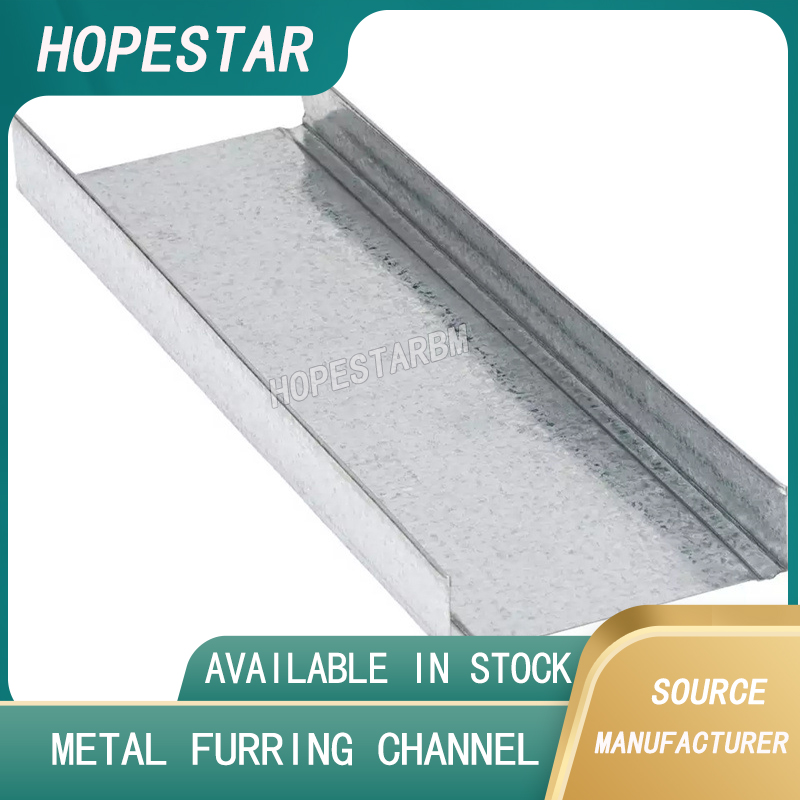
Metal furring channel for ceiling is a vital secondary framing component widely used in suspended ceiling and drywall ceiling systems. Roll-formed from cold-rolled galvanized steel, this lightweight metal profile works together with main channels, hangers and wall angles to create a level,
Metal Furring Channel for Ceiling – Galvanized Secondary Framing for Suspended Drywall Ceilings

Metal omega channel, also widely called omega furring channel or hat channel, is an indispensable secondary metal framing profile for modern suspended ceilings and drywall wall furring systems. Named after its distinctive Ω shape, this profile is roll-formed from cold-rolled galvanized steel
Metal Omega Channel – Galvanized Omega Furring Channel for Drywall Ceiling and Wall Framing