
Exploring the Most Common Suspended Ceiling System
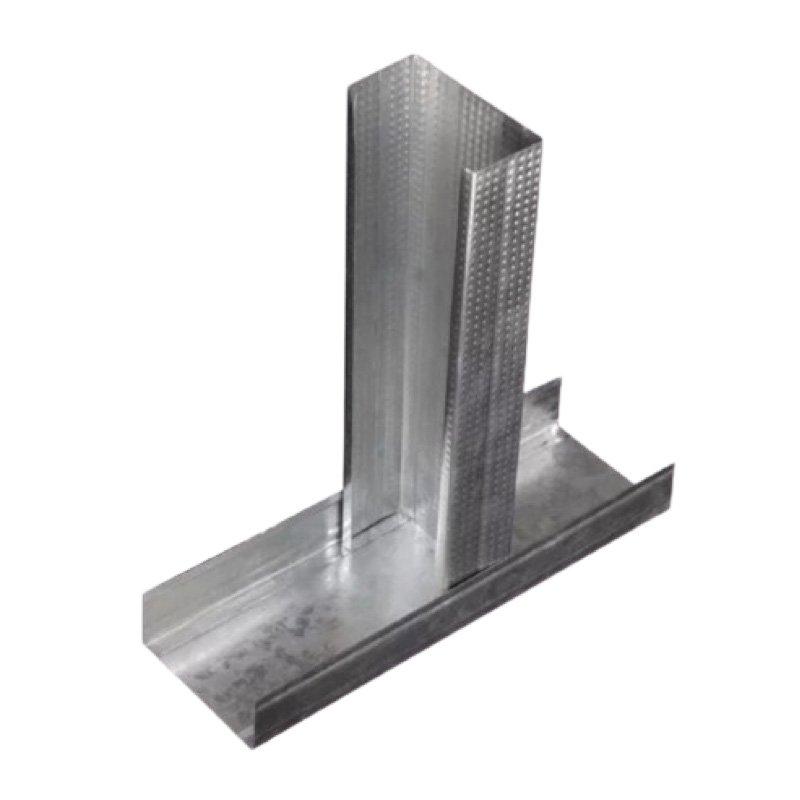
Ceiling systems play a crucial role in both residential and commercial spaces, providing not only structural support but also enhancing aesthetics and functionality. Among the various types of ceiling systems available, the suspended ceiling system stands out as one of the most common and versatile options. In this article, we'll delve into the features, benefits, and suppliers of this ubiquitous ceiling solution.
A suspended ceiling system, also known as a drop ceiling or false ceiling, consists of a grid framework suspended from the original ceiling structure, with ceiling tiles or panels placed within the grid. These systems are prevalent in offices, schools, hospitals, retail spaces, and residential basements due to their ease of installation, versatility, and aesthetic appeal.
One of the key advantages of suspended ceiling systems is their ability to conceal unsightly ductwork, wiring, and plumbing while providing easy access for maintenance purposes. This feature makes them particularly popular in commercial settings where access to utilities is essential but needs to be hidden from view. Additionally, suspended ceilings offer acoustic insulation, helping to reduce noise levels within a space, thus contributing to a more comfortable environment.
The most common type of suspended ceiling system features a grid framework made of metal, typically galvanized steel or aluminum, although some systems may use other materials such as PVC or wood. These grids come in various profiles and sizes to accommodate different ceiling layouts and design preferences. Ceiling tiles, usually made of mineral fiber, fiberglass, or metal, are then inserted into the grid to create the finished ceiling surface.
When it comes to suppliers of ceiling suspension systems, several companies dominate the market, offering a wide range of products to suit different project requirements. Some of the leading suppliers include Armstrong World Industries, USG Corporation, Rockfon, CertainTeed Corporation, and Saint-Gobain. These companies provide not only the grid framework and ceiling tiles but also accessories such as suspension wires, perimeter trims, and lighting fixtures designed specifically for use with suspended ceilings.
In conclusion, suspended ceiling systems are a popular choice for both new construction and renovation projects due to their versatility, ease of installation, and aesthetic appeal. Functional and visually appealing ceiling spaces can be created according to specific needs and preferences. Whether it's concealing utilities, improving acoustics, or enhancing aesthetics, suspended ceiling systems offer practical and cost-effective solutions for various applications.
Understanding the Weight Capacity of Furring Channels
What are the types of light steel keel in Australia?
Related Article



