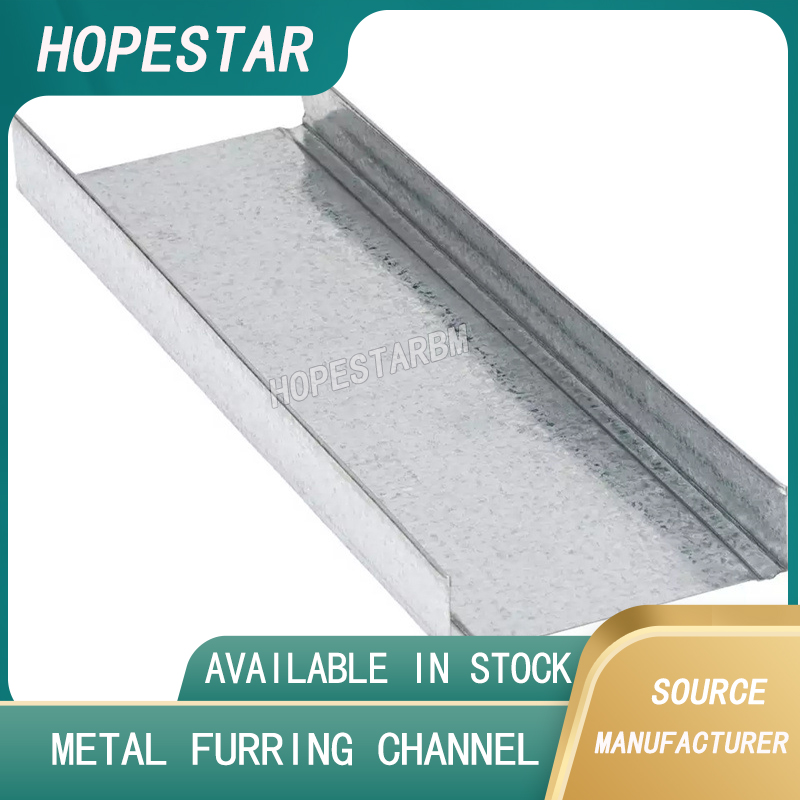
Exploring the Different Types of Metal Furring for Modern Construction
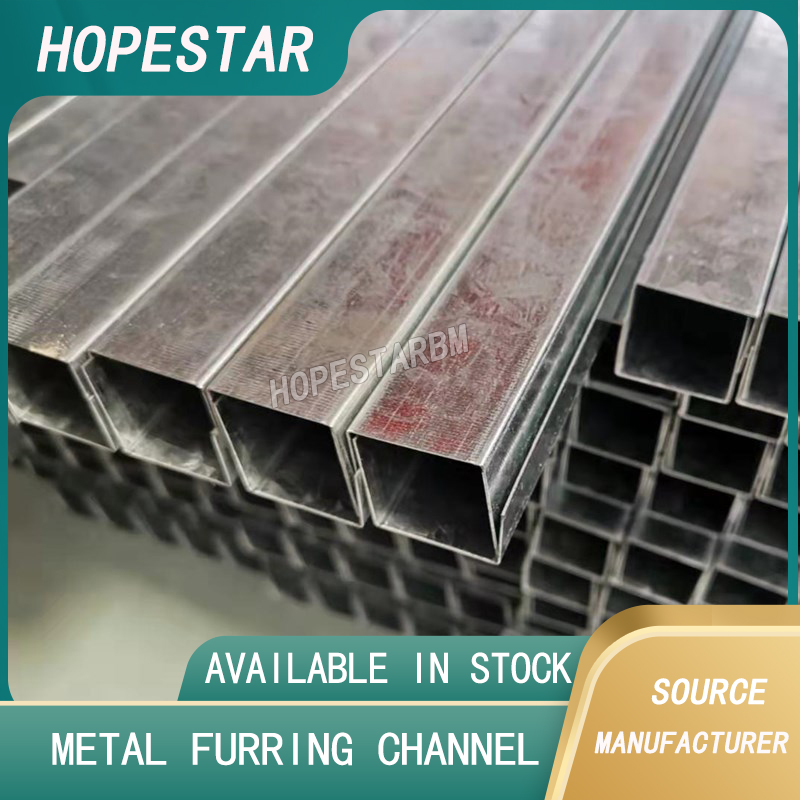
In contemporary construction, achieving straight, level, and durable wall and ceiling surfaces often requires the use of metal furring. These specialized profiles provide a framework for attaching drywall, plaster, and other finishing materials. Understanding the types of metal furring available, their specific applications, and benefits is crucial for contractors, architects, and builders who want to ensure high-quality finishes and structural performance.
What Is Metal Furring?
Metal furring refers to thin steel or aluminum channels used to create a level surface for wall and ceiling finishes. Unlike traditional wood furring strips, metal furring offers superior durability, resistance to moisture, and fire resistance. It is especially popular in commercial buildings, high-rise apartments, and areas prone to humidity or termite infestations.
Metal furring comes in a variety of shapes and profiles, each tailored to specific structural and aesthetic needs. Selecting the correct type ensures proper support, alignment, and longevity of the finished surface.
Common Types of Metal Furring
-
Hat Channel Furring
Named for its “hat-like” cross-sectional shape, hat channel furring is widely used for walls and ceilings. Its flanged design provides rigidity while allowing screws or clips to attach drywall panels securely. Hat channels are ideal for:-
Suspended ceilings
-
Wall furring in high-rise buildings
-
Applications requiring vibration or sound isolation
Advantages include corrosion resistance, easy installation, and excellent load distribution.
-
-
Z-Furring Channel
The Z-furring channel features a Z-shaped profile and is commonly used for exterior cladding systems or ventilated façades. Its unique shape allows it to:-
Create an air gap between the wall and cladding, enhancing thermal performance
-
Provide superior resistance to lateral loads
-
Accommodate uneven surfaces on masonry or concrete walls
Z-furring is particularly effective in areas requiring enhanced weather resistance and drainage.
-
-
U-Channel Furring
Also known as U-shaped channels, these furring strips provide strong horizontal or vertical support for drywall or panel systems. They are often used in combination with hat channels to create robust wall assemblies. U-channels are:-
Easy to cut and align
-
Suitable for interior partitions
-
Compatible with lightweight and medium-weight wall panels
-
-
C-Channel Furring
The C-channel furring has a classic C-shaped cross-section and is valued for its versatility and load-bearing capacity. Applications include:-
Heavy-duty walls and ceilings
-
Industrial or commercial spaces with high impact risks
-
Supporting layers of insulation or soundproofing materials
C-channels are durable, corrosion-resistant, and provide reliable structural support.
-
-
Hat Track and Deflection Track
In areas where vertical movement may occur due to building settlement or thermal expansion, hat tracks or deflection tracks are used. These channels allow studs to slide within the track, preventing drywall cracks and maintaining wall integrity. They are essential for:-
High-rise constructions
-
Long-span walls
-
Seismic or high-wind regions
-
How to Choose the Right Type of Metal Furring
Selecting the appropriate type of metal furring depends on several factors:
-
Load requirements: Heavy panels or multi-layer systems require deeper and thicker channels.
-
Environmental conditions: Galvanized or coated steel is preferred in humid or corrosive environments.
-
Installation orientation: Some furring types are optimized for horizontal or vertical installation.
-
Acoustic and thermal needs: Channels that allow air gaps or insulation placement improve soundproofing and energy efficiency.
Benefits of Using Metal Furring
Using the correct types of metal furring offers several advantages:
-
Durability: Resistant to warping, rot, termites, and moisture damage
-
Structural integrity: Provides uniform support for walls and ceilings
-
Fire resistance: Steel channels do not burn, enhancing safety
-
Ease of installation: Standardized sizes simplify alignment and fastening
-
Compatibility with finishes: Works with drywall, plaster, wood panels, and composite boards
Applications of Metal Furring
Metal furring is used in a wide range of projects, including:
-
Commercial office interiors
-
Residential high-rises
-
Industrial buildings
-
Schools and hospitals
-
Exterior ventilated façades
It is an essential component in projects where durability, precision, and resistance to environmental factors are critical.
Conclusion
In summary, understanding the types of metal furring is essential for constructing durable, level, and high-quality wall and ceiling systems. From hat channels to Z-furring, U-channels, C-channels, and deflection tracks, each type serves a specific purpose. Selecting the right profile ensures structural stability, aesthetic finishes, and long-term performance. Builders and contractors who invest in the proper metal furring types can achieve superior results while reducing maintenance and repair costs in the long run.
What Is a Furring Hat Channel? Comprehensive Guide to Its Uses and Benefits in Construction
Understanding Metal Stud Deflection Track and Its Importance in Wall Systems
Related Article