Everything You Need to Know About Metal Furring Size in Construction
When it comes to modern building projects, selecting the right framing materials is essential for both durability and efficiency. Among these materials, metal furring has become a popular choice for ceilings and wall systems. One of the most important aspects to consider is the metal furring size, as the dimensions directly impact strength, installation, and overall performance.
What Is Metal Furring?
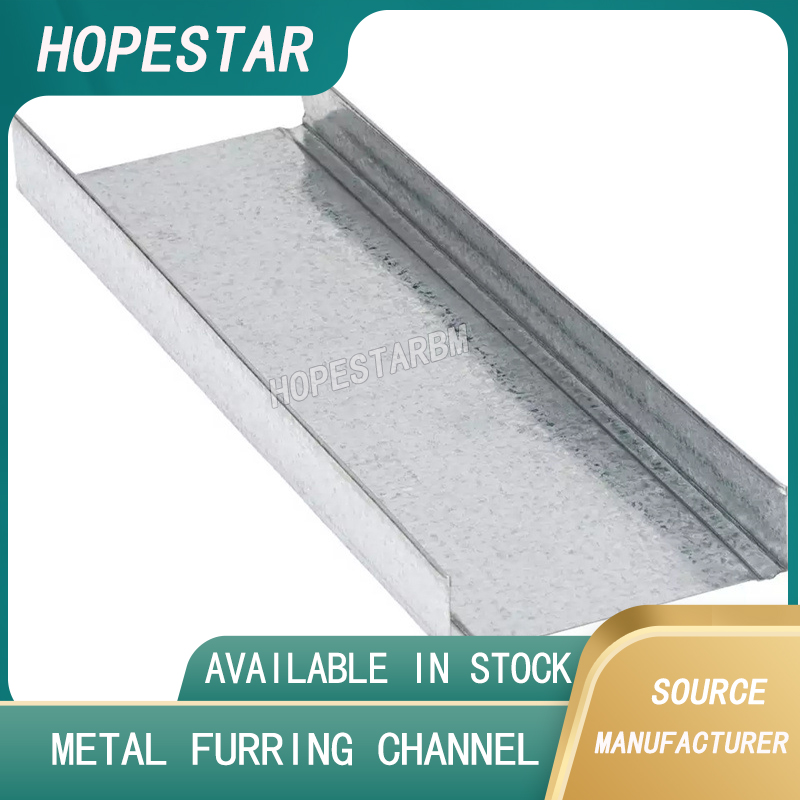
Metal furring refers to light-gauge steel channels or strips used to provide a framework for attaching finishes like drywall, ceiling boards, or wall panels. It creates a level surface, supports cladding materials, and improves acoustic and thermal insulation. Because it is resistant to fire, moisture, and pests, metal furring is a preferred alternative to wood in many construction projects.
Why Metal Furring Size Matters
The metal furring size determines the load capacity, spacing, and overall structural stability of the system. Using the wrong size can lead to weak support, misalignment, or higher costs due to material wastage. Choosing the right dimensions ensures a safe, durable, and efficient installation.
Standard Metal Furring Sizes
Although sizes vary by region and manufacturer, the most common metal furring sizes include:
-
19mm x 50mm: Often used for wall furring in residential projects.
-
25mm x 75mm: A versatile size suitable for both ceilings and walls.
-
38mm x 75mm: Provides extra strength, often used in commercial ceilings and partitions.
-
Custom sizes: Some manufacturers offer custom metal furring sizes to meet specific project requirements.
Thickness also varies, typically ranging from 0.4mm to 0.8mm, depending on load demands and building codes.
Applications of Different Metal Furring Sizes
-
Residential Construction – Smaller sizes are used for lightweight partitions and ceilings.
-
Commercial Buildings – Medium to larger metal furring sizes provide strong support for high-traffic areas and suspended ceilings.
-
Acoustic and Thermal Systems – Proper sizing ensures effective installation of soundproofing or insulation materials.
-
Renovations – Choosing the right size allows for quick leveling of uneven walls or ceilings.
Tips for Choosing the Right Metal Furring Size
-
Check building codes: Ensure the size meets local construction standards.
-
Consider load requirements: Heavier finishes require thicker and larger sizes.
-
Consult professionals: Engineers or contractors can recommend the best size for your project.
-
Source from reliable manufacturers: Quality control ensures accurate dimensions and long-lasting performance.
Conclusion
Selecting the correct metal furring size is crucial for the success of any ceiling or wall system. From residential projects to large-scale commercial buildings, the right dimensions guarantee safety, efficiency, and a professional finish. Builders and contractors who pay attention to sizing details can avoid costly mistakes and deliver durable results that stand the test of time.
What is a Drywall Furring Channel?
The Benefits and Applications of Ceiling Hat Channel in Modern Construction
Related Article