
Drywall Stud and Track
2026-09-10
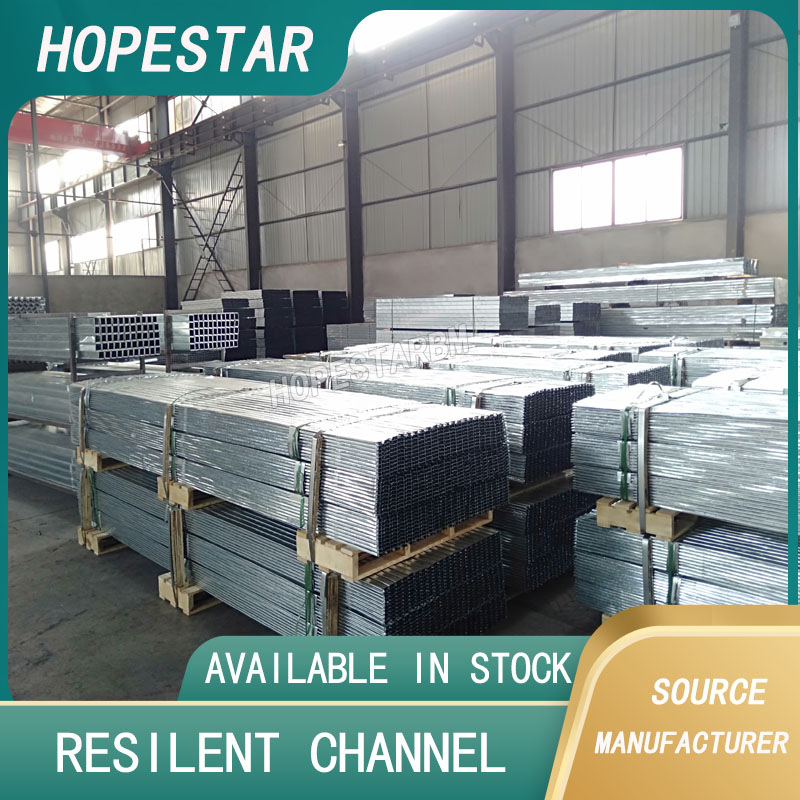
Drywall stud and track are the fundamental framing components that form the backbone of modern interior partition and ceiling systems. Widely used in residential renovations, commercial buildings, office fit-outs, and retail space construction, these lightweight metal framing parts have replaced traditional wooden frames in most modern projects due to their superior durability, stability, and cost efficiency. As core drywall accessories, studs and tracks work together to create a sturdy, reliable structure for mounting plasterboard and building clean interior walls.
To understand the function of drywall framing, it is essential to distinguish between studs and tracks. Drywall studs are vertical metal profiles that serve as the main support of the wall frame. They are installed vertically at standard intervals to bear the weight of drywall panels and ensure wall flatness and stability. Matching with studs, drywall tracks act as horizontal guide rails, including top tracks and bottom tracks. The top track fixes the upper end of vertical studs to the ceiling structure, while the bottom track secures the studs to the floor, locking the entire frame in place to prevent deformation and shaking.
Made from high-quality galvanized steel, standard drywall stud and track feature excellent anti-rust, anti-corrosion, and fire-resistant properties. Unlike timber frames, metal framing will not rot, warp, or be damaged by insects, making it suitable for humid bathrooms, kitchens, and long-term commercial use. The standardized modular design enables fast and simple installation, greatly shortening construction cycles and reducing labor costs. Additionally, the hollow structure of stud and track reserves space for electrical wiring, water pipes, and sound insulation materials, helping builders achieve neat, functional, and aesthetic interior decoration.
Drywall stud and track systems also deliver outstanding performance in sound insulation and thermal insulation. By filling soundproof cotton or thermal insulation materials in the frame cavity between studs, indoor noise transmission can be effectively reduced, and indoor temperature stability can be maintained. Meanwhile, the lightweight characteristics of metal studs and tracks will not bring extra burden to the building floor structure, meeting the construction requirements of high-rise buildings and old house renovations.
In conclusion, drywall stud and track are indispensable building materials for modern drywall construction. With advantages of fire resistance, durability, easy installation, and strong adaptability, they have become the preferred framing solution for global interior construction projects. Whether for new building partitions or old space renovations, high-quality stud and track ensure safe, stable, and long-lasting wall structures.
Galvanized Steel
Stud Wall
Related Article
Ceiling wall angle, also known as perimeter angle or L-angle, is an indispensable L-shaped metal profile for suspended drywall ceiling systems. Roll-formed from cold-rolled galvanized steel, ceiling wall angle is fixed along the wall perimeter to support the ends of main channels and furring channels,
Ceiling Wall Angle – Galvanized L-Shaped Perimeter Trim for Suspended Drywall Ceilings
Galvanized steel profiles are the foundational metal framing components widely used in modern interior construction. Roll-formed from cold-rolled steel coated with protective zinc layer, galvanized steel profiles cover a full range of shapes including C studs, U tracks, omega channels,
Galvanized Steel Profiles – Reliable Cold Rolled Framing for Drywall Walls and Ceilings

Metal furring channel for ceiling is a vital secondary framing component widely used in suspended ceiling and drywall ceiling systems. Roll-formed from cold-rolled galvanized steel, this lightweight metal profile works together with main channels, hangers and wall angles to create a level,
Metal Furring Channel for Ceiling – Galvanized Secondary Framing for Suspended Drywall Ceilings

Metal omega channel, also widely called omega furring channel or hat channel, is an indispensable secondary metal framing profile for modern suspended ceilings and drywall wall furring systems. Named after its distinctive Ω shape, this profile is roll-formed from cold-rolled galvanized steel
Metal Omega Channel – Galvanized Omega Furring Channel for Drywall Ceiling and Wall Framing