Drywall Steel
Drywall steel plays a critical role in modern construction systems, especially in interior partition walls, ceilings, and architectural framing. As building standards continue to emphasize durability, fire resistance, and precision, drywall steel has become the preferred alternative to traditional wood framing in many residential and commercial projects.
What Is Drywall Steel?
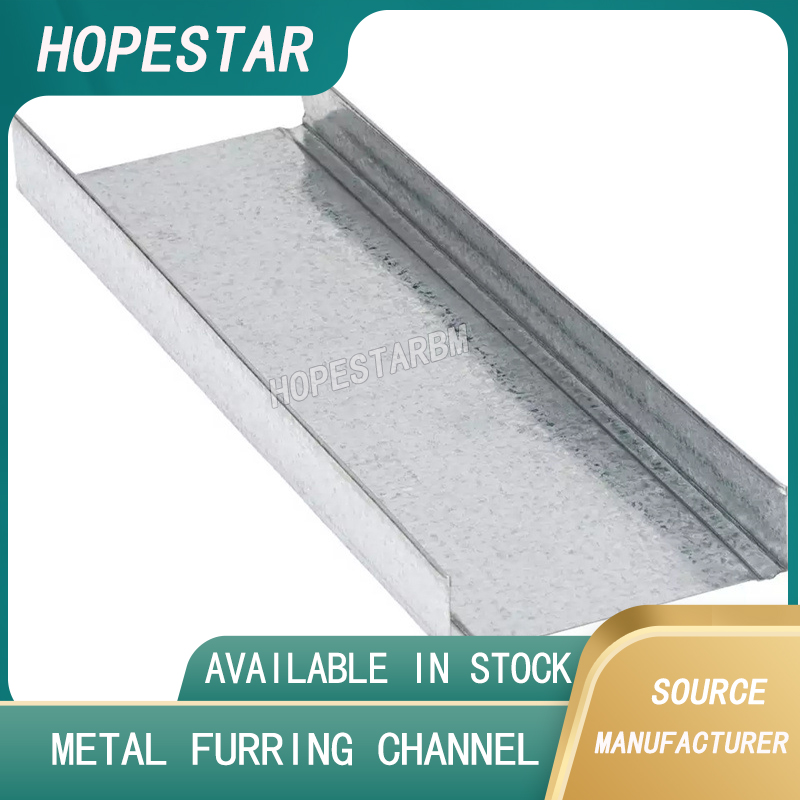
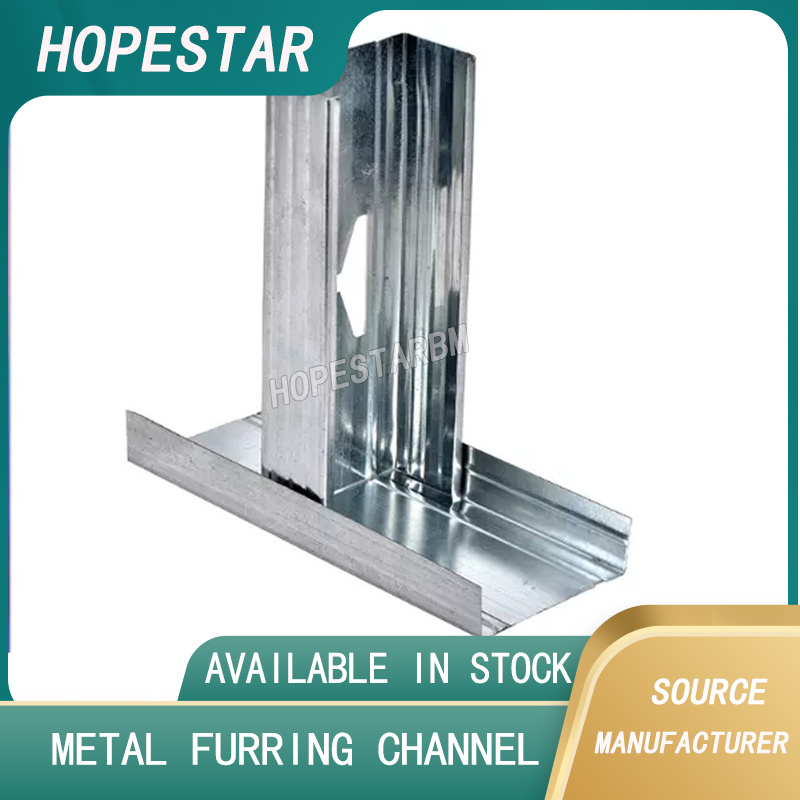
Drywall steel refers to cold-formed steel components used to support drywall systems. These components typically include steel studs, steel tracks, furring channels, and related framing accessories. Manufactured from galvanized steel, drywall steel offers excellent corrosion resistance, dimensional stability, and long-term structural performance.
Unlike wood, drywall steel does not warp, shrink, or crack due to changes in temperature or humidity. This makes it especially suitable for projects where consistent quality and precise alignment are required.
Key Advantages of Drywall Steel
One of the biggest advantages of drywall steel is its strength-to-weight ratio. Steel studs are lightweight yet strong, allowing for easy handling and fast installation while maintaining structural integrity. This reduces labor costs and speeds up construction timelines.
Another important benefit is fire resistance. Drywall steel is non-combustible, which significantly improves fire safety compared to wood framing. Many commercial buildings and high-density residential projects choose drywall steel specifically to meet stricter fire codes and safety regulations.
Drywall steel also offers excellent resistance to moisture, insects, and mold. In humid environments or areas prone to pests, steel framing provides a more reliable and long-lasting solution than traditional materials.
Applications of Drywall Steel
Drywall steel is widely used in interior partition walls, suspended ceilings, shaft walls, and soffits. It is commonly applied in offices, hotels, hospitals, shopping centers, and residential apartments. In renovation projects, drywall steel is often chosen to replace damaged or uneven wood framing, ensuring straighter walls and smoother drywall finishes.
In ceiling systems, drywall steel components such as furring channels and carrying channels help create flat, stable surfaces for gypsum boards. This improves the overall appearance and durability of the finished ceiling.
Installation and Compatibility
Drywall steel systems are designed for easy integration with gypsum boards, insulation materials, and finishing accessories such as corner beads and trims. Steel studs and tracks are typically cut to size, secured with self-drilling screws, and spaced according to project requirements and building codes.
Because drywall steel is factory-produced with consistent dimensions, it allows for accurate layouts and reduced material waste. This precision is especially valuable in large-scale construction projects.
Sustainability and Cost Efficiency
From a sustainability perspective, drywall steel is often made from recycled materials and is fully recyclable at the end of its service life. This aligns well with green building practices and environmentally responsible construction goals.
Although the initial material cost of drywall steel may be slightly higher than wood, its long-term benefits—such as durability, low maintenance, and reduced replacement costs—make it a cost-effective choice over time.
Conclusion
Drywall steel is a reliable, efficient, and future-oriented solution for modern construction. With its superior strength, fire resistance, moisture durability, and precise performance, drywall steel continues to be a key component in high-quality drywall systems across residential and commercial building projects.
Sheetrock Edge Protectors
Z Metal Corner Bead
Related Article