drywall metal
When you look at a smooth, perfectly finished wall or ceiling in a modern building, you are seeing the result of a hidden framework that makes it all possible: drywall metal. This term encompasses the entire family of precision-engineered galvanized steel components — including studs, tracks, channels, and corner beads — that form the essential skeleton for drywall and plasterboard systems. From residential homes and office complexes to hospitals and shopping centers, drywall metal is the unseen hero that ensures structural integrity, fire safety, acoustic isolation, and flawless aesthetics in today's construction projects.
The primary elements of a drywall metal system are the studs and tracks. Studs are the vertical load-bearing members, while tracks (also called runners) are the horizontal top and bottom plates that secure the studs to the floor and ceiling. Made from high-strength, cold-formed galvanized steel, these components are manufactured to exact tolerances, ensuring every piece is straight, uniform, and perfectly dimensioned. This consistency is a game-changer on the job site, eliminating the warping, shrinking, and unevenness inherent in traditional wood framing. As a result, walls go up faster, corners meet at true 90-degree angles, and drywall panels install with tight, seamless joints that require less finishing work. The galvanized coating on all drywall metal provides a durable barrier against rust and corrosion, making it ideal for use in moisture-prone areas like bathrooms, basements, and commercial kitchens where wood would quickly deteriorate.
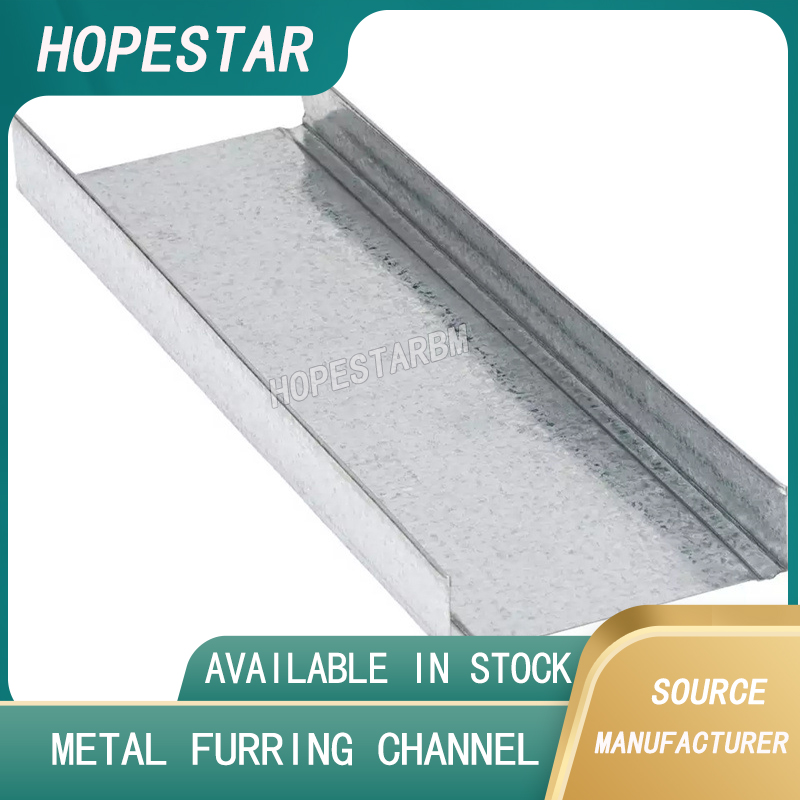
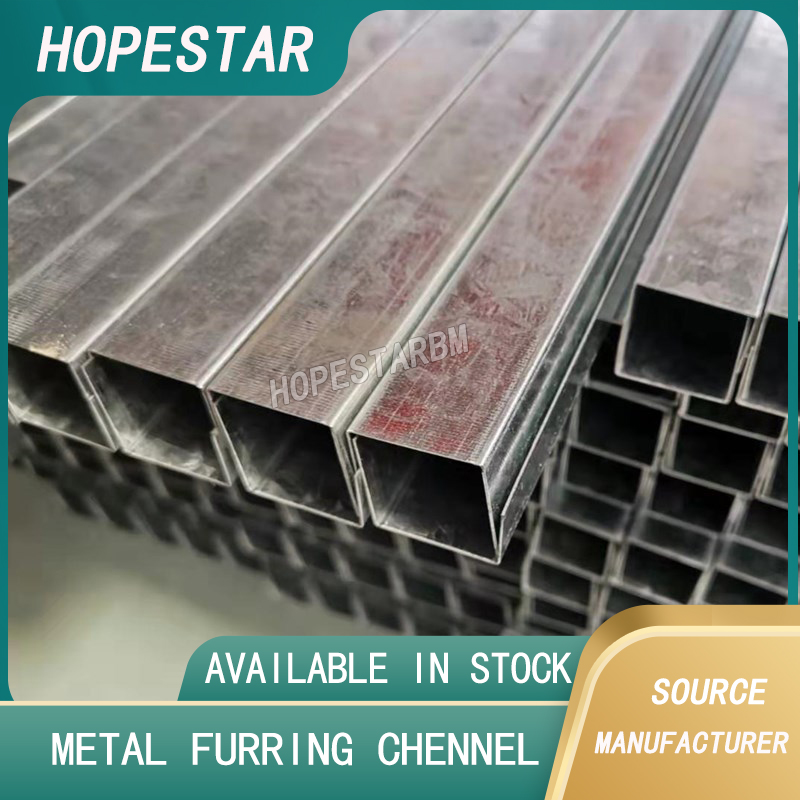
Beyond basic studs and tracks, drywall metal includes specialized components that solve specific construction challenges. Resilient channels, for example, are thin metal strips that decouple drywall from the underlying framing, dramatically reducing sound transmission through walls and ceilings — a critical feature in multi-family housing, hotels, and office buildings. Corner beads made from drywall metal are used to protect and straighten the vulnerable external corners of drywall, creating crisp, durable edges that resist impact damage. Furring channels (or hat channels) are employed to level uneven concrete or masonry surfaces, creating a flat plane for drywall attachment while adding space for insulation and utilities. This system-wide approach allows drywall metal to adapt to virtually any architectural design or performance requirement.
The safety advantages of drywall metal are significant and non-negotiable. As a non-combustible material, steel framing inherently contributes to a building's fire resistance. When combined with fire-rated drywall, drywall metal assemblies can achieve fire ratings of one, two, or even three hours, helping to contain flames and smoke and providing crucial time for occupant evacuation. This makes drywall metal the mandatory choice for fire walls, stairwells, elevator shafts, and other life-safety compartments in commercial and multi-unit residential construction. Furthermore, drywall metal does not support mold growth, is impervious to termites and rodents, and emits no volatile organic compounds (VOCs), contributing to healthier indoor air quality.
From a sustainability and efficiency standpoint, drywall metal offers compelling benefits. Most drywall metal contains a high percentage of recycled steel and is itself 100% recyclable at the end of its life, supporting a circular economy. Its lightweight nature reduces transportation energy, and its precision manufacturing leads to less material waste on site compared to wood. The pre-punched service holes in studs allow for easy, organized routing of electrical wiring, plumbing, and HVAC lines, speeding up the mechanical rough-in phase of construction. Ultimately, investing in a drywall metal system means investing in a building that is straighter, safer, quieter, more durable, and built to last for generations.
galvanized metal stud
gypsum channel
Related Article