
Drywall Metal Stud
2026-09-17
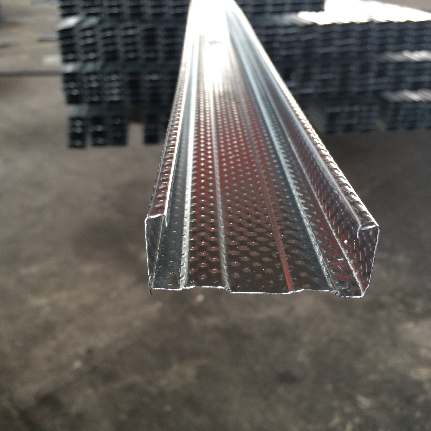
Drywall metal stud framing has become the standard solution for modern residential, commercial, and industrial interior construction worldwide. Replacing traditional wood framing, metal stud drywall systems deliver superior stability, durability, and cost efficiency, making them the top choice for contractors, builders, and renovation professionals. Whether you are building office partitions, residential room dividers, factory interior walls, or fire-rated drywall assemblies, drywall metal studs provide consistent, reliable performance that wood framing simply cannot match.
One of the most significant advantages of drywall metal studs is their exceptional dimensional stability. Unlike wooden studs that easily warp, bend, shrink, or expand due to humidity and temperature changes, galvanized steel metal studs remain straight and rigid in all environmental conditions. This quality ensures perfectly flat drywall surfaces, eliminating common construction issues such as cracked drywall seams, uneven wall lines, and recurring finishing repairs. For high-end construction projects requiring precise wall tolerances, metal stud framing is irreplaceable.
Fire resistance is another core benefit that elevates drywall metal studs above wood alternatives. Metal studs are made of non-combustible cold-formed steel, which does not catch fire or spread flames. When paired with fire-rated drywall panels, the entire wall assembly meets strict building code fire ratings, ideal for commercial buildings, shopping malls, hospitals, and public facilities. This feature not only improves building safety but also helps property owners reduce insurance risks and comply with local construction regulations effortlessly.
Durability and low maintenance further enhance the value of drywall metal stud systems. Steel studs are completely immune to termites, mold, rot, and insect damage, which are common threats to wood framing, especially in humid, damp, or coastal areas. With a premium G90 galvanized coating, high-quality metal studs resist rust and corrosion, maintaining structural integrity for decades with almost no maintenance required. This long-term durability drastically reduces post-construction repair costs and improves the overall service life of interior walls.
In terms of construction efficiency, drywall metal studs outperform wood framing significantly. Lightweight yet high-strength steel studs are easy to cut, carry, and install, speeding up framing and drywall hanging processes. Most metal studs feature pre-punched holes for electrical wiring and plumbing pipe routing, eliminating extra cutting work and streamlining on-site construction. For large-scale projects and tight-schedule renovations, metal stud drywall systems greatly shorten project cycles and lower labor costs.
Eco-friendliness is a key modern advantage of metal stud construction. Steel is 100% recyclable, producing far less construction waste than wood framing. It reduces deforestation and minimizes environmental impact, aligning with green building standards and sustainable construction trends. Additionally, metal stud walls create consistent indoor spaces with better acoustic performance, reducing noise transmission between rooms and improving indoor comfort.
Proper installation is critical to maximizing drywall metal stud performance. Contractors should select standard 20-gauge to 25-gauge galvanized metal studs according to wall height and load requirements, match compatible top and bottom tracks, and use fine-thread Type S self-drilling screws for drywall fixation to avoid thread stripping. Accurate layout, firm fixation, and reasonable bracing ensure stable, flat, and long-lasting metal stud drywall walls.
In conclusion, drywall metal stud framing is a modern, high-performance construction solution featuring stable structure, fire resistance, pest proofing, easy installation, and environmental protection. It adapts to almost all interior drywall projects, from residential renovations to large commercial constructions. For builders pursuing high-quality, low-maintenance, and cost-effective wall systems, drywall metal studs remain the most practical and reliable choice in the construction industry.
Drywall C Furring Channel
Steel U Channel vs C Channel
Related Article
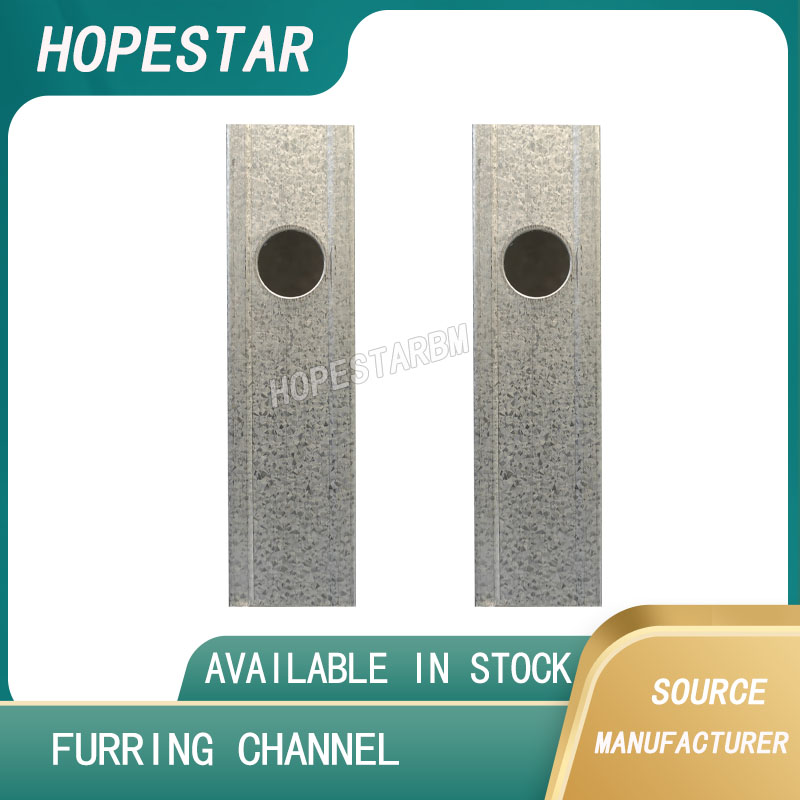
Ceiling wall angle, also known as perimeter angle or L-angle, is an indispensable L-shaped metal profile for suspended drywall ceiling systems. Roll-formed from cold-rolled galvanized steel, ceiling wall angle is fixed along the wall perimeter to support the ends of main channels and furring channels,
Ceiling Wall Angle – Galvanized L-Shaped Perimeter Trim for Suspended Drywall Ceilings
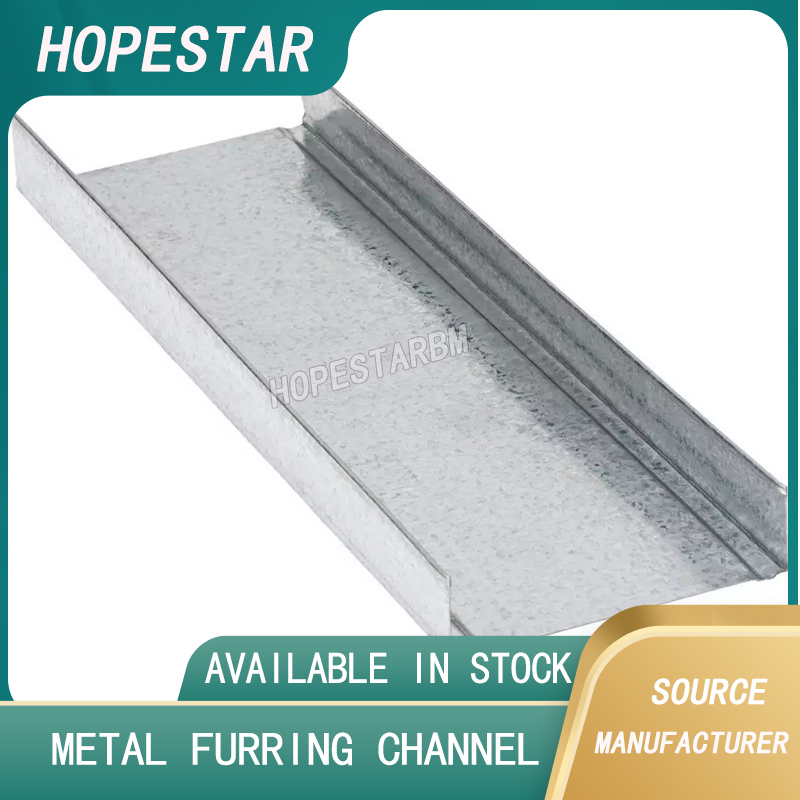
Galvanized steel profiles are the foundational metal framing components widely used in modern interior construction. Roll-formed from cold-rolled steel coated with protective zinc layer, galvanized steel profiles cover a full range of shapes including C studs, U tracks, omega channels,
Galvanized Steel Profiles – Reliable Cold Rolled Framing for Drywall Walls and Ceilings

Metal furring channel for ceiling is a vital secondary framing component widely used in suspended ceiling and drywall ceiling systems. Roll-formed from cold-rolled galvanized steel, this lightweight metal profile works together with main channels, hangers and wall angles to create a level,
Metal Furring Channel for Ceiling – Galvanized Secondary Framing for Suspended Drywall Ceilings

Metal omega channel, also widely called omega furring channel or hat channel, is an indispensable secondary metal framing profile for modern suspended ceilings and drywall wall furring systems. Named after its distinctive Ω shape, this profile is roll-formed from cold-rolled galvanized steel
Metal Omega Channel – Galvanized Omega Furring Channel for Drywall Ceiling and Wall Framing