
drywall joint paper tape
2024-07-26
drywall joint paper tape, As the name suggests, it is a slender strip product made of paper material, specifically designed to fill and reinforce the seams between drywall panels. This type of paper tape usually has high strength, good flexibility, and a certain degree of water absorption, which can tightly adhere to the joints of dry walls and provide a stable base for subsequent joint compound filling. The paper material has undergone special treatment to ensure that it will not easily deform or break in a humid environment, while also having good adhesion and being able to tightly bond with the plaster, forming a strong joint.
Drywall Joint Paper Tape Application Method and Steps
Joint treatment is a crucial step in the installation process of drywall. The steps for using drywall joint tape are roughly as follows:
1. Preparation stage: Firstly, ensure that the drywall has been installed according to the design requirements, and that the joints are clean, dust-free, and free of loose materials. Next, select the appropriate paper tape based on the width of the seam, and prepare necessary tools such as putty and scraper.
2. Paste paper tape: Apply an appropriate amount of water or putty diluent to one side of the joint, then gently press the paper tape onto the joint to ensure that it completely covers the joint and has a certain overlap. Subsequently, apply a putty dilution solution to the other side of the paper tape and gently scrape it flat with a scraper to ensure a tight fit between the paper tape and the surface of the drywall.
3. Fill with putty: After the paper tape is firmly attached, use putty to fill the joints. This process needs to be carried out multiple times, and after each filling, a scraper should be used to carefully scrape it flat until the joint is completely flush with the surrounding wall. Wait for the mortar to dry between each filling to ensure its strength and stability.
4. Polishing and Finishing: After all plaster layers are completely dry, use sandpaper to polish the joints to eliminate unevenness and excess plaster. Finally, color or paint the joints as needed to blend seamlessly with the surrounding walls.
Future Development Trends
With the continuous improvement of people's requirements for the quality of living environment, the market demand for dry wall seam paper tape, as an important material to enhance the aesthetics and durability of walls, will continue to grow. In the future, drywall joint paper tape will develop towards a more environmentally friendly, efficient, and intelligent direction. For example, environmentally friendly paper tape made from biodegradable materials will gradually be favored by the market; Automated and intelligent construction equipment will further improve construction efficiency and quality; Meanwhile, with the popularization of smart homes, paper tapes with special functions such as sound insulation and thermal insulation will also emerge.
In short, drywall joint paper tape, as one of the indispensable materials in building decoration, cannot be ignored in its importance. By understanding its technical principles, mastering the correct application methods, and paying attention to the current market situation and future trends, we can better utilize this material and contribute to creating a beautiful, durable, and comfortable living environment.
Drywall Joint Paper Tape Application Method and Steps
Joint treatment is a crucial step in the installation process of drywall. The steps for using drywall joint tape are roughly as follows:
1. Preparation stage: Firstly, ensure that the drywall has been installed according to the design requirements, and that the joints are clean, dust-free, and free of loose materials. Next, select the appropriate paper tape based on the width of the seam, and prepare necessary tools such as putty and scraper.
2. Paste paper tape: Apply an appropriate amount of water or putty diluent to one side of the joint, then gently press the paper tape onto the joint to ensure that it completely covers the joint and has a certain overlap. Subsequently, apply a putty dilution solution to the other side of the paper tape and gently scrape it flat with a scraper to ensure a tight fit between the paper tape and the surface of the drywall.
3. Fill with putty: After the paper tape is firmly attached, use putty to fill the joints. This process needs to be carried out multiple times, and after each filling, a scraper should be used to carefully scrape it flat until the joint is completely flush with the surrounding wall. Wait for the mortar to dry between each filling to ensure its strength and stability.
4. Polishing and Finishing: After all plaster layers are completely dry, use sandpaper to polish the joints to eliminate unevenness and excess plaster. Finally, color or paint the joints as needed to blend seamlessly with the surrounding walls.
Future Development Trends
With the continuous improvement of people's requirements for the quality of living environment, the market demand for dry wall seam paper tape, as an important material to enhance the aesthetics and durability of walls, will continue to grow. In the future, drywall joint paper tape will develop towards a more environmentally friendly, efficient, and intelligent direction. For example, environmentally friendly paper tape made from biodegradable materials will gradually be favored by the market; Automated and intelligent construction equipment will further improve construction efficiency and quality; Meanwhile, with the popularization of smart homes, paper tapes with special functions such as sound insulation and thermal insulation will also emerge.
In short, drywall joint paper tape, as one of the indispensable materials in building decoration, cannot be ignored in its importance. By understanding its technical principles, mastering the correct application methods, and paying attention to the current market situation and future trends, we can better utilize this material and contribute to creating a beautiful, durable, and comfortable living environment.
chamfer corner bead
metal profile for plasterboard
Related Article

Ceiling wall angle, also known as perimeter angle or L-angle, is an indispensable L-shaped metal profile for suspended drywall ceiling systems. Roll-formed from cold-rolled galvanized steel, ceiling wall angle is fixed along the wall perimeter to support the ends of main channels and furring channels,
Ceiling Wall Angle – Galvanized L-Shaped Perimeter Trim for Suspended Drywall Ceilings
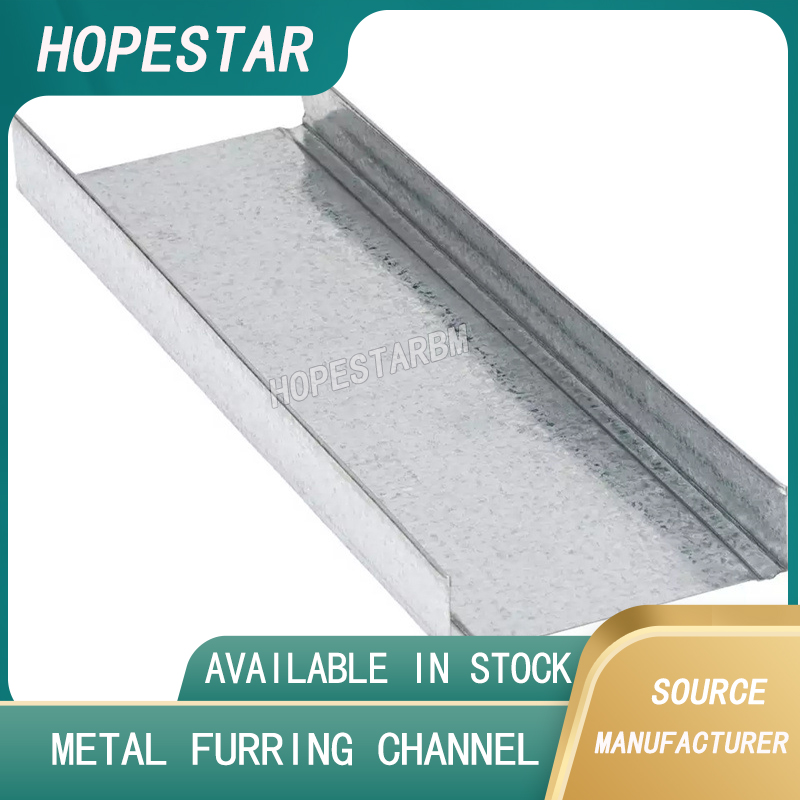
Galvanized steel profiles are the foundational metal framing components widely used in modern interior construction. Roll-formed from cold-rolled steel coated with protective zinc layer, galvanized steel profiles cover a full range of shapes including C studs, U tracks, omega channels,
Galvanized Steel Profiles – Reliable Cold Rolled Framing for Drywall Walls and Ceilings

Metal furring channel for ceiling is a vital secondary framing component widely used in suspended ceiling and drywall ceiling systems. Roll-formed from cold-rolled galvanized steel, this lightweight metal profile works together with main channels, hangers and wall angles to create a level,
Metal Furring Channel for Ceiling – Galvanized Secondary Framing for Suspended Drywall Ceilings

Metal omega channel, also widely called omega furring channel or hat channel, is an indispensable secondary metal framing profile for modern suspended ceilings and drywall wall furring systems. Named after its distinctive Ω shape, this profile is roll-formed from cold-rolled galvanized steel
Metal Omega Channel – Galvanized Omega Furring Channel for Drywall Ceiling and Wall Framing