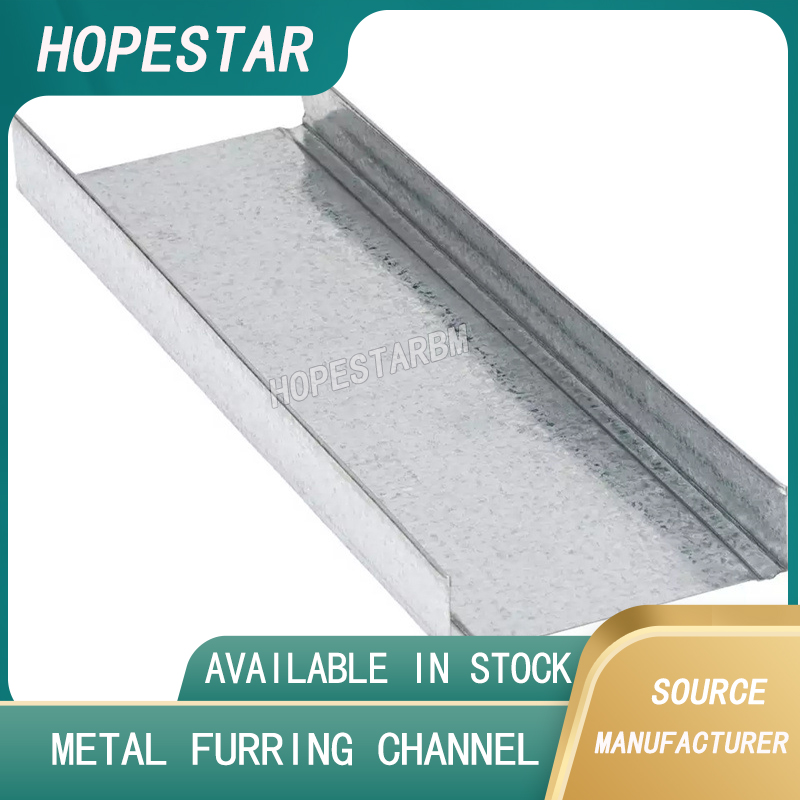
Drywall Furring Channel Sizes and Gauges

When it comes to framing a professional-grade wall or ceiling, the details matter. One of the most critical yet often overlooked components is the drywall furring channel (also commonly known as "hat channel" due to its profile). Whether you are leveling an uneven masonry wall, finishing a basement, or enhancing soundproofing, selecting the correct size and gauge is essential for structural integrity and a smooth finish.
In this guide, we will break down everything you need to know about drywall furring channel sizes and gauges to help you make the right choice for your project.
What is a Drywall Furring Channel?
A drywall furring channel is a hat-shaped metal component used to "furr out" a surface. It provides a level framing surface for drywall or siding on masonry walls, concrete ceilings, or over existing wood framing. Made from galvanized steel, these channels are resistant to fire, moisture, and warping, making them superior to traditional wood furring strips.
Understanding Common Drywall Furring Channel Sizes
The "size" of a furring channel usually refers to its depth (how far it stands off the wall) and its width across the face.
1. 7/8” Furring Channel (The Standard)
The 7/8-inch depth is the most common size used in both residential and commercial construction. It is the perfect depth for creating a small air gap behind the drywall, which is ideal for moisture management on concrete walls and for basic sound dampening.
2. 1-1/2” Furring Channel (The Deep Option)
The 1-1/2-inch depth is used when more clearance is required. This might be necessary if you need to run electrical conduit or small plumbing pipes behind the drywall without cutting into the main structural wall.
Deciphering Metal Gauges: Thickness Matters
In the world of metal framing, the gauge refers to the thickness of the steel. A critical rule to remember: the lower the gauge number, the thicker and stronger the metal.
-
25 Gauge (Standard Duty): This is the go-to choice for most interior residential projects. It is lightweight, easy to cut, and perfectly capable of supporting standard 1/2" or 5/8" drywall on walls.
-
22 Gauge (Medium Duty): Often used in commercial settings where a bit more rigidity is required, or when the span between supports is slightly longer.
-
20 Gauge (Heavy Duty): If you are installing heavy materials—such as double-layered drywall for soundproofing or heavy cement boards—20 gauge is the safest bet. It offers maximum screw-pullout resistance and structural "stiffness."
How to Choose the Right One for Your Project
To choose the right drywall furring channel, ask yourself these three questions:
1. What is the Base Material?
If you are attaching the channel directly to concrete or masonry, a 7/8” 25-gauge channel is usually sufficient. However, if you are attaching it to a ceiling where it will bear a vertical load, you might consider a 20-gauge channel for extra security.
2. Are You Soundproofing?
Furring channels are a staple in soundproofing. When used in combination with sound isolation clips (like RSIC-1 clips), they "decouple" the drywall from the studs. In these cases, 25-gauge is actually often preferred because it is more flexible, which helps dissipate sound vibrations better than a rigid 20-gauge channel.
3. What is the Spacing?
Standard installation usually requires the channels to be spaced 16 inches or 24 inches on center. If your design requires wider spacing, you must upgrade to a thicker gauge (22 or 20) to prevent the metal from sagging or bowing under the weight of the drywall.
Conclusion
Choosing the right drywall furring channel size and gauge ensures that your walls stay flat and your ceilings stay secure for decades. For most DIY home renovations, a 7/8” 25-gauge hat channel is the perfect balance of cost and performance. For industrial applications or high-end soundproofing, stepping up to a 20-gauge channel provides the industrial-strength support needed.
Why Use Metal Drywall Furring Channels for Your Next Project?
What Is the Difference Between Metal Furring Channels and Battens?
Related Article