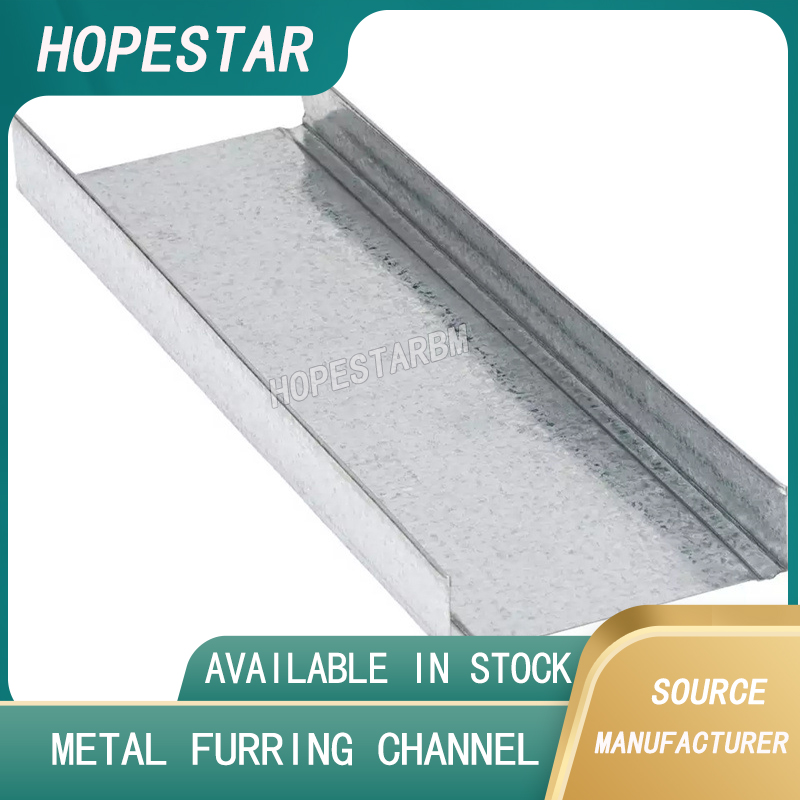
Drywall C Furring Channel
A drywall C furring channel is a lightweight metal profile widely used in drywall, suspended ceiling, and interior lining systems. Typically manufactured from galvanized steel, the C-shaped channel provides a stable supporting structure for gypsum boards and other interior finishing panels.
For contractors, building material distributors, wholesalers, and importers, selecting the correct drywall C furring channel is important for installation efficiency and long-term system performance. This guide explains its features, applications, specifications, installation considerations, and purchasing factors.
What Is a Drywall C Furring Channel?
A drywall C furring channel is a cold-formed steel profile with a C-shaped cross-section. It can be installed as part of a ceiling or wall lining framework, depending on the design of the drywall system.
The channels work together with compatible main channels, perimeter profiles, clips, hangers, connectors, and screws. Gypsum boards are then mechanically fixed to the metal framework to create a smooth finished surface.
Because drywall construction practices vary between countries, C furring channel dimensions and configurations are not necessarily the same in every market.
Main Benefits of Drywall C Furring Channel
Lightweight Construction
Galvanized steel furring channels provide a good balance between weight and rigidity. Their lightweight construction makes them relatively easy to handle, transport, cut, and install on site.
This is particularly useful for large residential and commercial projects where installation efficiency is important.
Good Dimensional Stability
Steel does not experience the same shrinkage, warping, or termite-related problems associated with timber.
Consistent dimensions help installers maintain accurate spacing and alignment throughout the drywall framework.
Corrosion Protection
Galvanized steel is coated with a protective zinc layer. This helps reduce corrosion under appropriate service conditions and improves the durability of the metal framing system.
The required zinc coating should be selected according to the project environment and applicable standards.
Convenient Installation
C furring channels can be cut to the required length and connected using compatible drywall accessories. Standardized metal framing systems can simplify construction and reduce unnecessary adjustment during installation.
Where Is Drywall C Furring Channel Used?
Drywall C furring channels can be used in a variety of interior construction projects, including:
- Gypsum board ceilings
- Suspended ceiling systems
- Drywall lining systems
- Interior wall applications
- Office buildings
- Hotels and apartments
- Shopping centers
- Schools and hospitals
- Residential construction
- Commercial renovation projects
Their exact function depends on the design of the complete framing system.
Common Specifications
There is no single universal size for every drywall C furring channel. Different countries, manufacturers, and building systems may use different specifications.
Important parameters generally include profile width, profile height, steel thickness, channel length, galvanized coating, and profile shape.
Steel thickness should be selected according to the required load, channel spacing, board configuration, and project specifications. Using an unnecessarily thin product may reduce rigidity, while excessive thickness can increase material costs.
Standard lengths are commonly available, while customized lengths can also be produced for specific projects or export orders.
How Is Drywall C Furring Channel Installed?
Installation methods vary according to the ceiling or wall system.
For suspended ceiling applications, the supporting structure is normally positioned according to the specified layout. Main channels, hangers, and furring channels are then connected to create the required ceiling grid.
Installers should check channel spacing and level before fixing the gypsum boards.
For wall lining applications, the channels should be aligned according to the system design before the boards are attached.
The spacing of channels, suspension points, fasteners, and connectors should follow the project design and applicable construction requirements rather than using one spacing value for every project.
C Furring Channel vs. Other Metal Profiles
A C furring channel should not automatically be considered the same as every C-shaped steel profile.
For example, drywall studs, tracks, ceiling main channels, and furring channels may have similar appearances but serve different purposes.
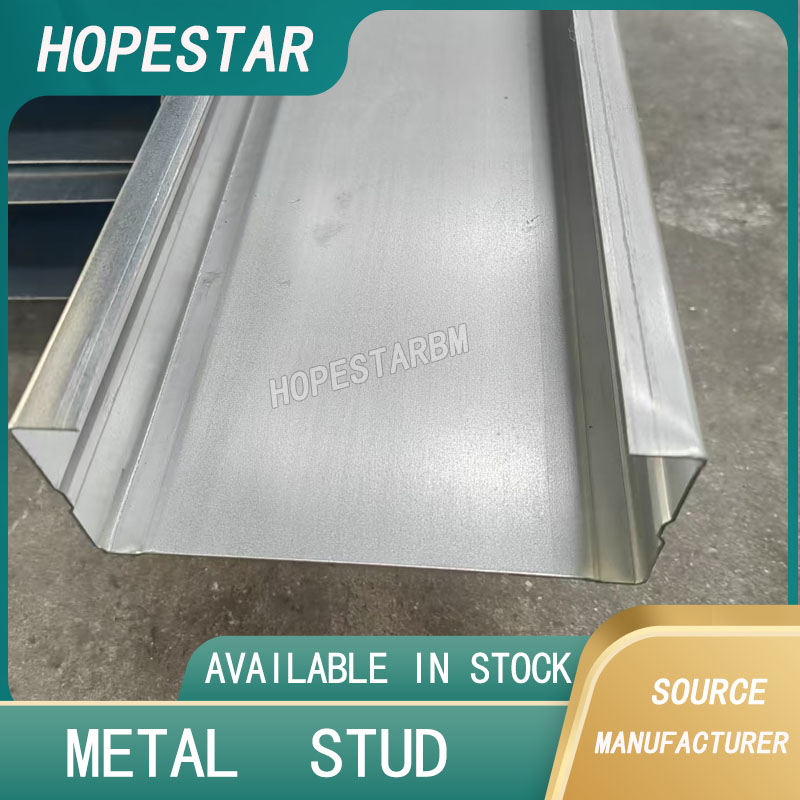
A metal stud is commonly used as a vertical framing member in drywall partition walls, while a track usually forms the horizontal boundary of the partition system. Furring channels are generally used to provide a supporting surface for boards in specific ceiling or wall lining systems.
Understanding these differences helps prevent incorrect product selection.
How to Check Product Quality
When purchasing drywall C furring channels, buyers should evaluate more than just price.
Important factors include steel thickness consistency, dimensional accuracy, profile straightness, galvanized surface quality, forming quality, and packaging.
Channels with significant deformation or inconsistent dimensions may create difficulties during installation. For large orders, buyers can request product specifications or samples before confirming mass production.
What Information Should Buyers Provide?
When requesting a quotation from a drywall C furring channel manufacturer, providing complete specifications can improve quotation accuracy.
Useful information includes:
- Profile drawing or dimensions
- Steel thickness
- Required length
- Zinc coating requirement
- Order quantity
- Packaging requirements
- Destination market
- Applicable project standard
If the buyer already has a sample, technical drawing, or existing product specification, it can also be used as a reference for production.
Custom Drywall C Furring Channel for Export Markets
Drywall framing specifications vary across international markets. A profile commonly used in one country may differ from products used in another region.
Manufacturers serving export markets can therefore provide customized C furring channels based on drawings, samples, dimensions, thickness, length, coating, and packaging requirements.
This is particularly useful for building material wholesalers, importers, distributors, and contractors purchasing products for specific local drywall systems.
Conclusion
A drywall C furring channel is an important component in many gypsum board ceiling and wall lining systems. Its lightweight galvanized steel construction provides dimensional stability, convenient installation, and reliable support when correctly selected and installed.
Before purchasing, buyers should carefully confirm profile dimensions, steel thickness, length, zinc coating, system compatibility, and project requirements. For wholesale and export orders, customized production can also help ensure that the drywall C furring channel matches the specifications required by the target market.
Steel House Frame
Ceiling Metal Furring Channel
Related Article