
distance of metal furring for ceiling
2024-06-18
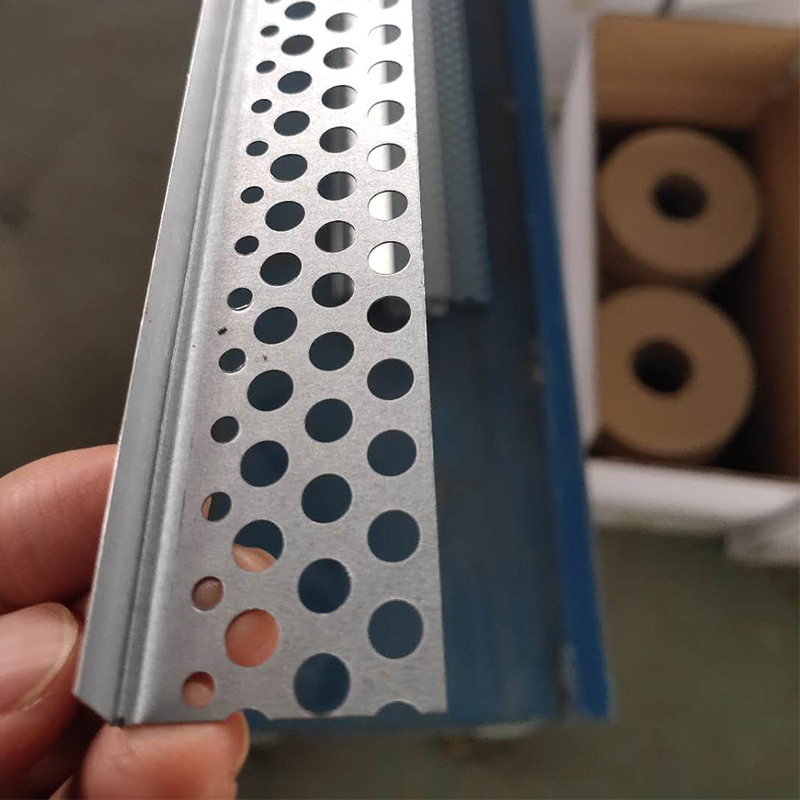
Distance, as a key factor in spatial layout, plays a crucial role in architectural design and decoration processes. In the construction of metal ceilings, the spacing between the secondary keel of the metal ceiling is directly related to the load-bearing capacity, flatness, and overall aesthetics of the ceiling. Therefore, in-depth exploration of the setting of the spacing between the secondary keels of metal ceilings is of positive significance for improving the quality of ceiling construction and optimizing spatial layout.
Firstly, we need to clarify the influencing factors of the spacing between the secondary keels of the metal ceiling. These factors include but are not limited to the specifications of the ceiling material, the load-bearing requirements of the ceiling, and the structural characteristics of the space where the ceiling is located. The specifications of the ceiling material determine its load-bearing capacity and stability, which in turn affects the spacing setting of the secondary keel. The load-bearing requirements of the ceiling directly determine the number and distribution of secondary keels to meet the usage requirements of the ceiling in different scenarios. At the same time, the structural characteristics of the space where the ceiling is located can also affect the spacing between secondary keels, such as the height, span, and the presence of other structures in the space.
After understanding the influencing factors, we can set the spacing between the secondary keels of the metal ceiling according to actual needs. Generally speaking, the spacing between secondary keels should not be too large to ensure the flatness and stability of the ceiling. At the same time, it should not be too small to avoid increasing construction difficulty and cost. When setting the spacing, we can refer to relevant standards and specifications and make appropriate adjustments based on the actual situation.
It is worth noting that the spacing between the secondary keels of the metal ceiling is not fixed, but needs to be flexibly adjusted according to specific situations. For example, in situations where the load-bearing demand of the ceiling is high or the spatial span is large, the spacing between secondary keels can be appropriately reduced to improve the load-bearing capacity and stability of the ceiling. On the contrary, in cases where the load-bearing demand of the ceiling is low or the spatial span is small, the spacing between secondary keels can be appropriately increased to simplify the construction process and reduce costs.
In addition, the construction and installation of the secondary keel of the metal ceiling is also an important factor affecting the spacing setting. During the construction process, it is necessary to ensure that the installation position of the secondary keel is accurate and firmly fixed to ensure the flatness and stability of the ceiling. Meanwhile, attention should also be paid to the connection method between the secondary keel and the main keel, as well as the selection of fasteners, to ensure the overall stability and reliability of the suspended ceiling structure.
In addition to construction and installation, maintenance and upkeep of the ceiling also have a certain impact on the spacing setting of the secondary keel. During the use of the ceiling, regular cleaning and maintenance are required to extend its service life and maintain its aesthetics. During maintenance, attention should be paid to avoiding damage or deformation to the secondary keel, in order to avoid affecting the flatness and stability of the ceiling.
In summary, the spacing setting of the secondary keel of the metal ceiling is a complex process that takes into account multiple factors. In actual construction, we need to flexibly adjust the spacing of secondary keels based on the specifications of the ceiling, load-bearing requirements, spatial structure characteristics, and construction installation and maintenance requirements. Through scientifically reasonable spacing settings, we can improve the construction quality of suspended ceilings, optimize spatial layout, and create a comfortable and beautiful indoor environment for users.
In future ceiling construction, we still need to constantly explore new technologies and methods to further optimize the spacing setting of the secondary keel. For example, advanced computer simulation technology can be used to accurately analyze the suspended ceiling structure, in order to obtain a more scientific spacing setting scheme. At the same time, new types of ceiling materials and connection methods can also be studied to improve the load-bearing capacity and stability of the ceiling, reduce construction costs and maintenance difficulties.
In short, the spacing between the secondary keels of the metal ceiling is an important part of the ceiling construction, and we need to consider multiple factors comprehensively and make flexible adjustments. By continuously optimizing the spacing setting scheme and technical means, we can provide users with higher quality ceiling construction services, and promote the sustainable development and progress of the ceiling construction industry.
Firstly, we need to clarify the influencing factors of the spacing between the secondary keels of the metal ceiling. These factors include but are not limited to the specifications of the ceiling material, the load-bearing requirements of the ceiling, and the structural characteristics of the space where the ceiling is located. The specifications of the ceiling material determine its load-bearing capacity and stability, which in turn affects the spacing setting of the secondary keel. The load-bearing requirements of the ceiling directly determine the number and distribution of secondary keels to meet the usage requirements of the ceiling in different scenarios. At the same time, the structural characteristics of the space where the ceiling is located can also affect the spacing between secondary keels, such as the height, span, and the presence of other structures in the space.
After understanding the influencing factors, we can set the spacing between the secondary keels of the metal ceiling according to actual needs. Generally speaking, the spacing between secondary keels should not be too large to ensure the flatness and stability of the ceiling. At the same time, it should not be too small to avoid increasing construction difficulty and cost. When setting the spacing, we can refer to relevant standards and specifications and make appropriate adjustments based on the actual situation.
It is worth noting that the spacing between the secondary keels of the metal ceiling is not fixed, but needs to be flexibly adjusted according to specific situations. For example, in situations where the load-bearing demand of the ceiling is high or the spatial span is large, the spacing between secondary keels can be appropriately reduced to improve the load-bearing capacity and stability of the ceiling. On the contrary, in cases where the load-bearing demand of the ceiling is low or the spatial span is small, the spacing between secondary keels can be appropriately increased to simplify the construction process and reduce costs.
In addition, the construction and installation of the secondary keel of the metal ceiling is also an important factor affecting the spacing setting. During the construction process, it is necessary to ensure that the installation position of the secondary keel is accurate and firmly fixed to ensure the flatness and stability of the ceiling. Meanwhile, attention should also be paid to the connection method between the secondary keel and the main keel, as well as the selection of fasteners, to ensure the overall stability and reliability of the suspended ceiling structure.
In addition to construction and installation, maintenance and upkeep of the ceiling also have a certain impact on the spacing setting of the secondary keel. During the use of the ceiling, regular cleaning and maintenance are required to extend its service life and maintain its aesthetics. During maintenance, attention should be paid to avoiding damage or deformation to the secondary keel, in order to avoid affecting the flatness and stability of the ceiling.
In summary, the spacing setting of the secondary keel of the metal ceiling is a complex process that takes into account multiple factors. In actual construction, we need to flexibly adjust the spacing of secondary keels based on the specifications of the ceiling, load-bearing requirements, spatial structure characteristics, and construction installation and maintenance requirements. Through scientifically reasonable spacing settings, we can improve the construction quality of suspended ceilings, optimize spatial layout, and create a comfortable and beautiful indoor environment for users.
In future ceiling construction, we still need to constantly explore new technologies and methods to further optimize the spacing setting of the secondary keel. For example, advanced computer simulation technology can be used to accurately analyze the suspended ceiling structure, in order to obtain a more scientific spacing setting scheme. At the same time, new types of ceiling materials and connection methods can also be studied to improve the load-bearing capacity and stability of the ceiling, reduce construction costs and maintenance difficulties.
In short, the spacing between the secondary keels of the metal ceiling is an important part of the ceiling construction, and we need to consider multiple factors comprehensively and make flexible adjustments. By continuously optimizing the spacing setting scheme and technical means, we can provide users with higher quality ceiling construction services, and promote the sustainable development and progress of the ceiling construction industry.
materials for ceiling using metal furring
c furring channel sizes
Related Article

Ceiling wall angle, also known as perimeter angle or L-angle, is an indispensable L-shaped metal profile for suspended drywall ceiling systems. Roll-formed from cold-rolled galvanized steel, ceiling wall angle is fixed along the wall perimeter to support the ends of main channels and furring channels,
Ceiling Wall Angle – Galvanized L-Shaped Perimeter Trim for Suspended Drywall Ceilings
Galvanized steel profiles are the foundational metal framing components widely used in modern interior construction. Roll-formed from cold-rolled steel coated with protective zinc layer, galvanized steel profiles cover a full range of shapes including C studs, U tracks, omega channels,
Galvanized Steel Profiles – Reliable Cold Rolled Framing for Drywall Walls and Ceilings

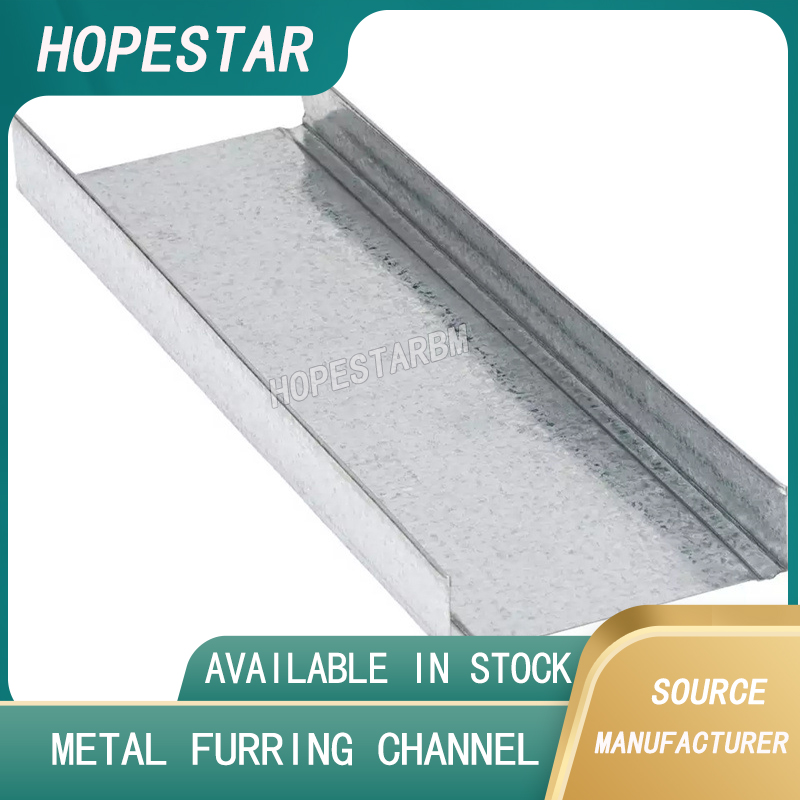
Metal furring channel for ceiling is a vital secondary framing component widely used in suspended ceiling and drywall ceiling systems. Roll-formed from cold-rolled galvanized steel, this lightweight metal profile works together with main channels, hangers and wall angles to create a level,
Metal Furring Channel for Ceiling – Galvanized Secondary Framing for Suspended Drywall Ceilings

Metal omega channel, also widely called omega furring channel or hat channel, is an indispensable secondary metal framing profile for modern suspended ceilings and drywall wall furring systems. Named after its distinctive Ω shape, this profile is roll-formed from cold-rolled galvanized steel
Metal Omega Channel – Galvanized Omega Furring Channel for Drywall Ceiling and Wall Framing