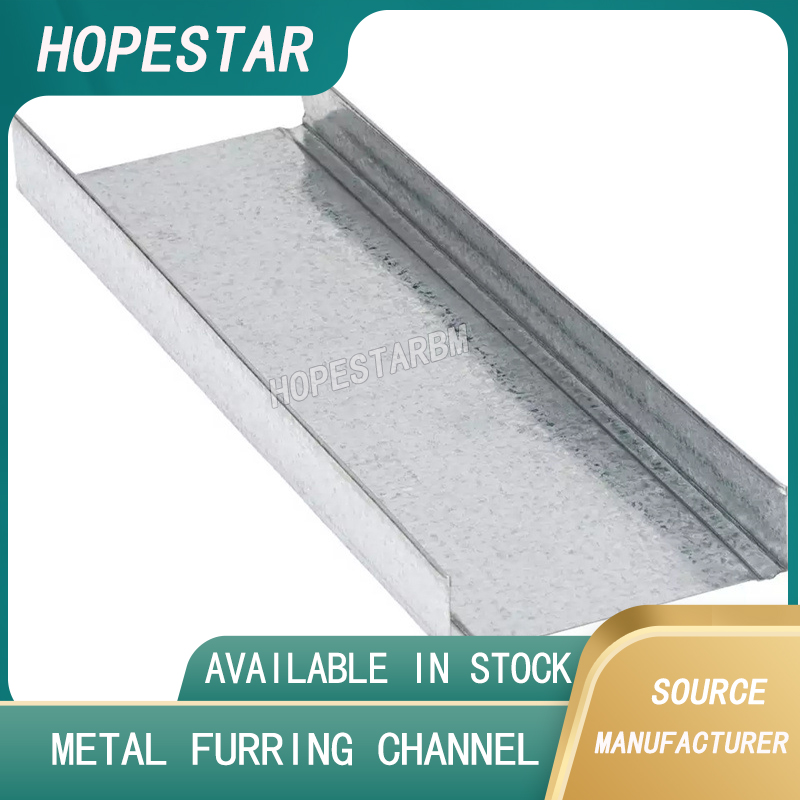
Difference Between 16mm and 28mm Furring Channel
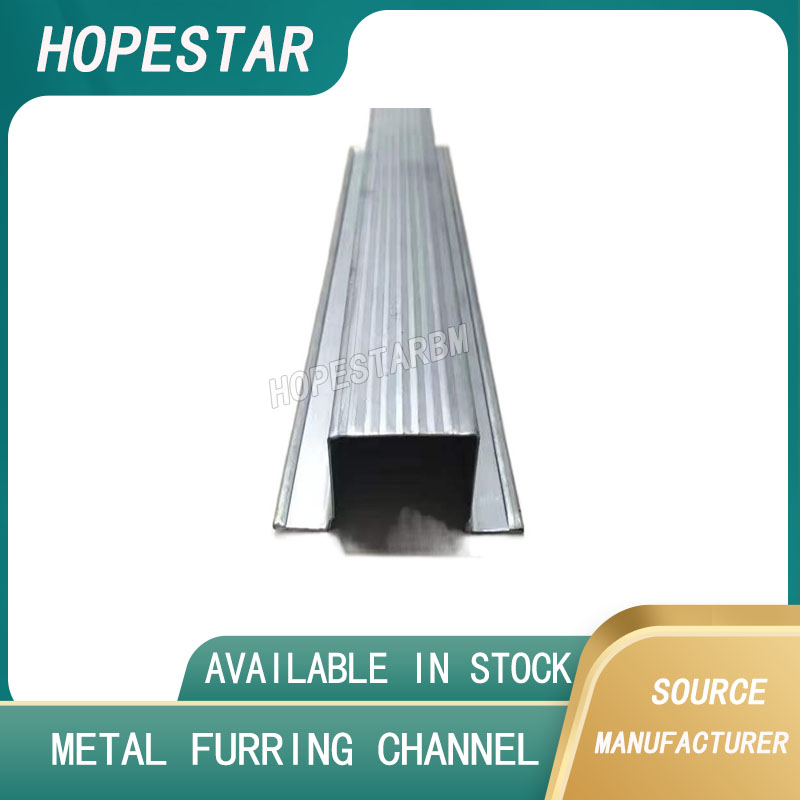
Furring channels are essential components in modern drywall and ceiling construction systems. They are widely used to create a stable framework for gypsum boards, ceiling panels, and wall linings. Among the various sizes available, 16mm furring channel and 28mm furring channel are two of the most commonly used profiles. Understanding the difference between 16mm and 28mm furring channel helps contractors, builders, and project planners choose the right material for structural performance, load requirements, and installation efficiency.
1. Profile Depth and Structural Strength
The most obvious difference between 16mm and 28mm furring channel is the profile depth. A 28mm furring channel is significantly deeper than a 16mm one. This extra depth provides:
-
Greater bending resistance
-
Higher load-bearing capacity
-
Improved structural rigidity
As a result, 28mm furring channels are better suited for ceilings or wall systems that need to support heavier materials, insulation layers, or additional fixtures such as lighting systems and air diffusers. In contrast, 16mm furring channels are lighter-duty and ideal for non-load-bearing applications.
2. Application Scenarios
16mm furring channel is commonly used in:
-
Residential interior ceilings
-
Light partition walls
-
Decorative ceiling designs
-
Projects where weight reduction is important
Because of its slimmer profile, it is easier to handle and faster to install, making it cost-effective for small and medium projects.
28mm furring channel, on the other hand, is preferred in:
-
Commercial buildings
-
Industrial ceiling systems
-
High ceilings with wider spans
-
Fire-rated or acoustic systems requiring insulation
Its stronger profile ensures long-term stability and reduces the risk of sagging over time.
3. Span Capacity
Span capacity is another major difference. A 28mm furring channel can span longer distances between supports without deflection. This reduces the number of suspension points needed, which can lower installation time in large-scale projects.
A 16mm furring channel requires closer support spacing. While this is not an issue for small rooms, it may increase labor and material costs in large open areas.
4. Weight and Cost
The 16mm furring channel is lighter and typically more affordable. Transportation, handling, and installation are easier, which benefits budget-sensitive residential projects.
The 28mm furring channel uses more steel material, making it heavier and slightly more expensive. However, the improved durability and performance often justify the cost in demanding environments.
5. Performance in Ceiling Systems
In suspended ceiling systems, choosing between 16mm and 28mm furring channel affects the overall ceiling lifespan. Heavier boards, insulation, or mechanical loads perform better with 28mm channels, while simple gypsum board ceilings work well with 16mm channels.
Conclusion
The key difference between 16mm and 28mm furring channel lies in strength, application range, and span capability. If the project demands higher structural support and durability, 28mm is the better choice. For lightweight, economical interior work, 16mm furring channel is efficient and sufficient. Selecting the correct size ensures safety, performance, and cost control in drywall and ceiling construction projects.
What Are Hat Channels?
What Size Are Standard Furring Channels?
Related Article