
Detailed explanation of the main testing items for light steel keel
2024-06-20
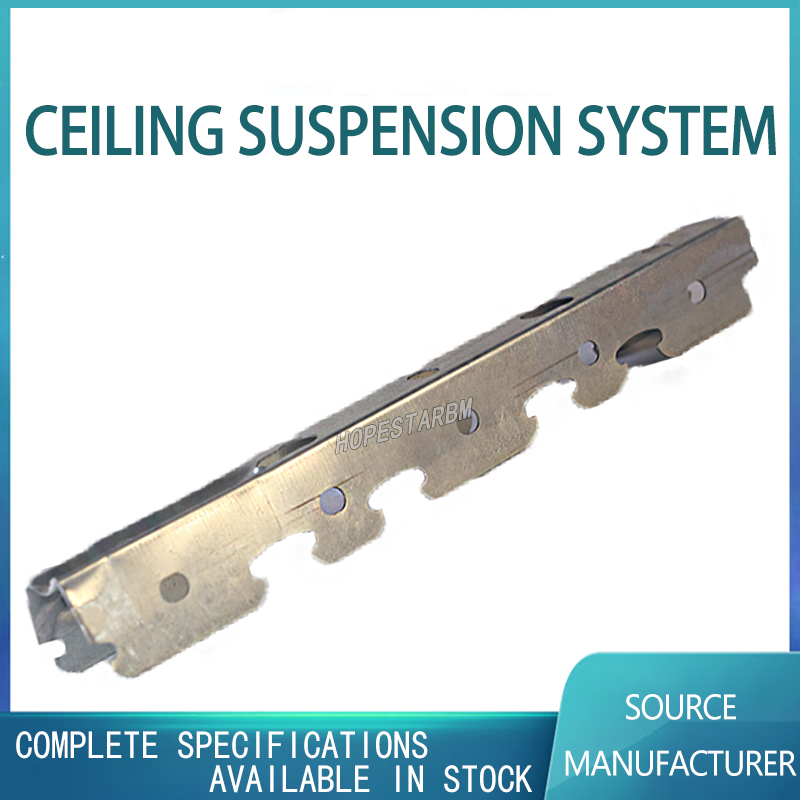
1. Dimensional accuracy testing
The dimensional accuracy of light steel keel is the basis for ensuring the flatness of walls and ceilings. During testing, precise measuring tools such as calipers, tape measures, and laser rangefinders are required to accurately measure the thickness, width, length, and diagonal length of the light steel keel. Any deviation must be within the allowable error range to ensure precise docking during construction and overall structural stability.
2. Mechanical performance testing
Mechanical performance is a key indicator for measuring whether light steel keel can withstand expected loads. This includes testing the tensile strength, yield strength, compressive strength, and flexural strength of light steel keel. Through these tests, the stability and load-bearing capacity of light steel keel under external forces can be evaluated, ensuring that it will not deform or fracture due to excessive load in practical use.
3. Fire performance testing
The fire resistance performance of light steel keel is an important indicator for evaluating its safety. Fire performance testing usually includes fire resistance limit testing, which evaluates the length of time that light steel keel can maintain its structural integrity under simulated fire conditions. In addition, it is necessary to evaluate its combustion performance, including flame propagation speed and smoke generation, to ensure that the light steel keel does not quickly lose its function in the event of a fire, and to buy valuable time for personnel evacuation.
4. Corrosion resistance testing
Light steel keel may come into contact with various chemicals and humid environments during use, so corrosion resistance testing is crucial. This includes salt spray testing, wet heat cycle testing, etc., to evaluate the corrosion resistance of light steel keel by simulating different environmental conditions. The test results will help determine the service life and maintenance requirements of light steel keel in specific environments.
5. Coating quality inspection
The surface coating of light steel keel not only plays an aesthetic role, but more importantly, provides rust prevention and anti-corrosion protection. Coating quality inspection includes coating thickness, uniformity, adhesion, and impact resistance. Through these tests, it can be ensured that the coating can effectively protect the light steel keel and extend its service life.
6. Strength testing of connectors
The connectors of light steel keel are the key to the stability of the entire structure. The strength testing of connectors mainly evaluates the load-bearing capacity and durability of connectors, ensuring that they will not become loose or damaged due to load or environmental factors during long-term use.
Through the detailed testing items mentioned above, the quality of light steel keel can be comprehensively evaluated to ensure its safety and reliability in construction and decoration. These tests not only help improve the overall quality of the building, but also provide users with a safer and more comfortable living and working environment.
The dimensional accuracy of light steel keel is the basis for ensuring the flatness of walls and ceilings. During testing, precise measuring tools such as calipers, tape measures, and laser rangefinders are required to accurately measure the thickness, width, length, and diagonal length of the light steel keel. Any deviation must be within the allowable error range to ensure precise docking during construction and overall structural stability.
2. Mechanical performance testing
Mechanical performance is a key indicator for measuring whether light steel keel can withstand expected loads. This includes testing the tensile strength, yield strength, compressive strength, and flexural strength of light steel keel. Through these tests, the stability and load-bearing capacity of light steel keel under external forces can be evaluated, ensuring that it will not deform or fracture due to excessive load in practical use.
3. Fire performance testing
The fire resistance performance of light steel keel is an important indicator for evaluating its safety. Fire performance testing usually includes fire resistance limit testing, which evaluates the length of time that light steel keel can maintain its structural integrity under simulated fire conditions. In addition, it is necessary to evaluate its combustion performance, including flame propagation speed and smoke generation, to ensure that the light steel keel does not quickly lose its function in the event of a fire, and to buy valuable time for personnel evacuation.
4. Corrosion resistance testing
Light steel keel may come into contact with various chemicals and humid environments during use, so corrosion resistance testing is crucial. This includes salt spray testing, wet heat cycle testing, etc., to evaluate the corrosion resistance of light steel keel by simulating different environmental conditions. The test results will help determine the service life and maintenance requirements of light steel keel in specific environments.
5. Coating quality inspection
The surface coating of light steel keel not only plays an aesthetic role, but more importantly, provides rust prevention and anti-corrosion protection. Coating quality inspection includes coating thickness, uniformity, adhesion, and impact resistance. Through these tests, it can be ensured that the coating can effectively protect the light steel keel and extend its service life.
6. Strength testing of connectors
The connectors of light steel keel are the key to the stability of the entire structure. The strength testing of connectors mainly evaluates the load-bearing capacity and durability of connectors, ensuring that they will not become loose or damaged due to load or environmental factors during long-term use.
Through the detailed testing items mentioned above, the quality of light steel keel can be comprehensively evaluated to ensure its safety and reliability in construction and decoration. These tests not only help improve the overall quality of the building, but also provide users with a safer and more comfortable living and working environment.
Treatment method for unqualified inspection of galvanized layer on light steel keel
Which is a good manufacturer of light steel keel?
Related Article

Ceiling wall angle, also known as perimeter angle or L-angle, is an indispensable L-shaped metal profile for suspended drywall ceiling systems. Roll-formed from cold-rolled galvanized steel, ceiling wall angle is fixed along the wall perimeter to support the ends of main channels and furring channels,
Ceiling Wall Angle – Galvanized L-Shaped Perimeter Trim for Suspended Drywall Ceilings
Galvanized steel profiles are the foundational metal framing components widely used in modern interior construction. Roll-formed from cold-rolled steel coated with protective zinc layer, galvanized steel profiles cover a full range of shapes including C studs, U tracks, omega channels,
Galvanized Steel Profiles – Reliable Cold Rolled Framing for Drywall Walls and Ceilings

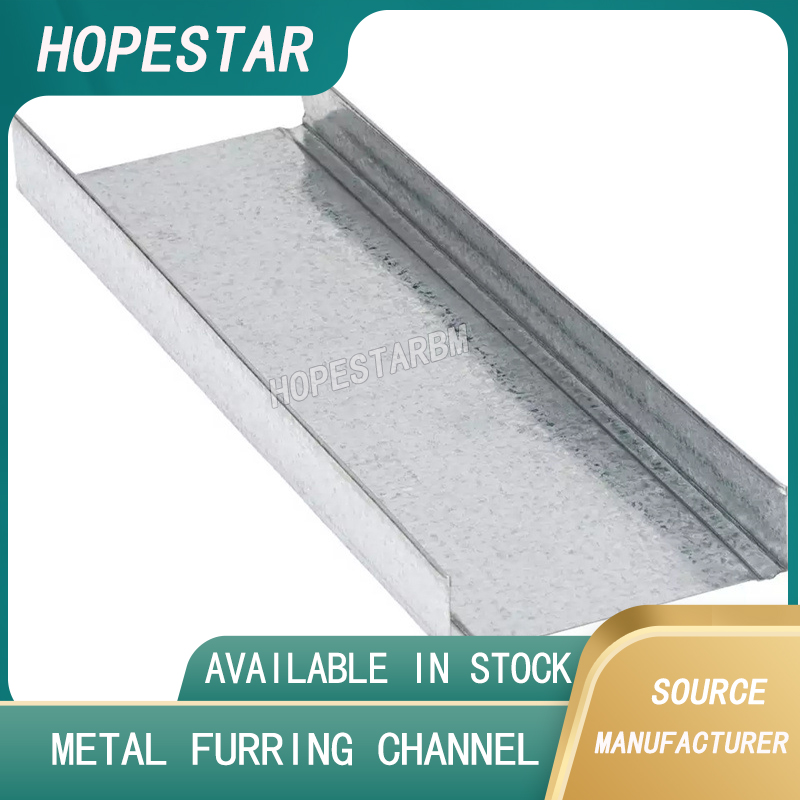
Metal furring channel for ceiling is a vital secondary framing component widely used in suspended ceiling and drywall ceiling systems. Roll-formed from cold-rolled galvanized steel, this lightweight metal profile works together with main channels, hangers and wall angles to create a level,
Metal Furring Channel for Ceiling – Galvanized Secondary Framing for Suspended Drywall Ceilings

Metal omega channel, also widely called omega furring channel or hat channel, is an indispensable secondary metal framing profile for modern suspended ceilings and drywall wall furring systems. Named after its distinctive Ω shape, this profile is roll-formed from cold-rolled galvanized steel
Metal Omega Channel – Galvanized Omega Furring Channel for Drywall Ceiling and Wall Framing