
design of furring channel
2024-07-11
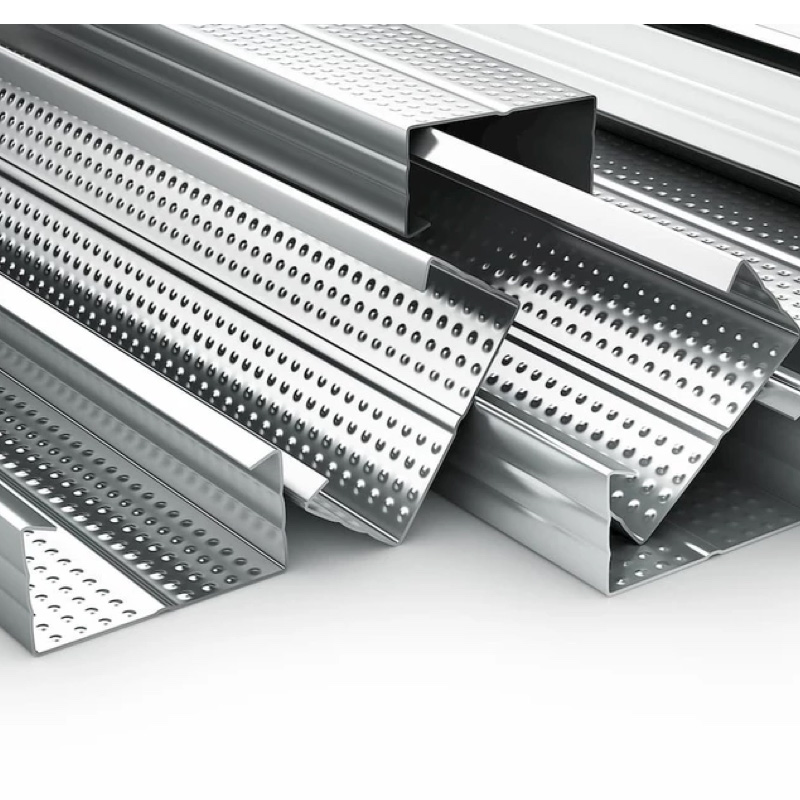
In the field of architectural design, furring channel, as a lightweight and high-strength structural material, has been widely used in various building structures. The design of the furring channel is not only related to the stability and safety of the building, but also directly affects the economy and aesthetics of the building. Therefore, it is crucial to design the furring channel reasonably. This article will elaborate in detail on the material selection, structural design, connection methods, and construction points of the furring channel.
1、 Material selection
The material selection for the furring channel is the first step in design. The commonly used furring channel materials include cold-formed thin-walled steel and hot-rolled steel. Cold formed thin-walled steel has the advantages of lightweight, high strength, and easy processing and shaping, and is widely used in non load bearing walls and ceilings. Hot rolled steel has higher strength and stiffness, making it suitable for load-bearing walls and large structures. When selecting materials, it is necessary to comprehensively consider factors such as the building's functional use, load conditions, and environmental conditions, and choose suitable material specifications and models.
2、 Structural Design
The structural design of the furring channel is the core of the design. In the design process,design of furring channel, the stress characteristics and load distribution of the building should be fully considered to determine a reasonable structural form and size. For non load bearing walls and suspended ceilings, a combination of furring channels and lightweight boards such as gypsum board can be used to form a lightweight partition wall or suspended ceiling system. For load-bearing walls and large structures, detailed calculations and designs are required based on the stress conditions to determine the appropriate spacing, cross-sectional dimensions, and connection methods for the keel.
In structural design, the aesthetics and economy of the building should also be fully considered. By reasonable layout and design, the furring channel can be coordinated with the overall style of the building, improving its aesthetic appeal. design of furring channel, At the same time, while ensuring safety, efforts should be made to minimize material consumption and construction costs, and improve the economic efficiency of the building.
3、 Connection method
The connection method of the furring channel has a significant impact on the stability and security of the structure. The commonly used connection methods include welding, bolt connection, and self tapping screw connection. When choosing a connection method, it is necessary to consider the stress situation and construction conditions comprehensively and select a suitable connection method. For parts with high stress, reliable connection methods such as welding or bolt connection should be used; For parts with less stress, simple connection methods such as self tapping screws can be used.
During the connection process, attention should be paid to the quality and specification selection of the connecting components to ensure a firm and reliable connection. At the same time, design of furring channel,necessary treatments such as rust removal and anti-corrosion should be carried out on the keel before connection to improve the durability and service life of the connecting components.
4、 Key points of construction
The construction of the furring channel is an important part of the design process. During the construction process, the following points should be noted:
1. Accurate measurement and laying out: Based on the design drawings and actual site conditions, accurately measure and lay out, design of furring channel, design of furring channel,Determine the position and size of the keel.
2. Installation of keel: Install the keel according to the layout position, ensuring that the spacing, verticality, and levelness of the keel meet the design requirements. During installation, attention should be paid to protecting the surface of the keel from damage.
3. Installation of connectors: Install connectors according to design requirements, design of furring channel, Ensure that the connection is firm and reliable. During the installation process, attention should be paid to the selection of specifications and quality of connectors.
4. Board installation: After the keel installation is completed, install the board. The board should be tightly adhered to the keel without any gaps. During the installation process, attention should be paid to the flatness and verticality of the board.
5. Quality inspection: Regular quality inspections should be conducted during the construction process to ensure that the construction quality meets the design requirements. Any problems discovered should be promptly addressed to ensure construction quality and safety.
5、 Summary
The design and construction of furring channels are important aspects of building structural design. By considering and practicing reasonable material selection, design of furring channel,structural design, connection methods, and construction points, the stability, safety, and economy of the Furring Channel structure can be ensured. At the same time, in the design and construction process, factors such as the aesthetics and economy of the building should be fully considered to improve the overall quality and efficiency of the building.
1、 Material selection
The material selection for the furring channel is the first step in design. The commonly used furring channel materials include cold-formed thin-walled steel and hot-rolled steel. Cold formed thin-walled steel has the advantages of lightweight, high strength, and easy processing and shaping, and is widely used in non load bearing walls and ceilings. Hot rolled steel has higher strength and stiffness, making it suitable for load-bearing walls and large structures. When selecting materials, it is necessary to comprehensively consider factors such as the building's functional use, load conditions, and environmental conditions, and choose suitable material specifications and models.
2、 Structural Design
The structural design of the furring channel is the core of the design. In the design process,design of furring channel, the stress characteristics and load distribution of the building should be fully considered to determine a reasonable structural form and size. For non load bearing walls and suspended ceilings, a combination of furring channels and lightweight boards such as gypsum board can be used to form a lightweight partition wall or suspended ceiling system. For load-bearing walls and large structures, detailed calculations and designs are required based on the stress conditions to determine the appropriate spacing, cross-sectional dimensions, and connection methods for the keel.
In structural design, the aesthetics and economy of the building should also be fully considered. By reasonable layout and design, the furring channel can be coordinated with the overall style of the building, improving its aesthetic appeal. design of furring channel, At the same time, while ensuring safety, efforts should be made to minimize material consumption and construction costs, and improve the economic efficiency of the building.
3、 Connection method
The connection method of the furring channel has a significant impact on the stability and security of the structure. The commonly used connection methods include welding, bolt connection, and self tapping screw connection. When choosing a connection method, it is necessary to consider the stress situation and construction conditions comprehensively and select a suitable connection method. For parts with high stress, reliable connection methods such as welding or bolt connection should be used; For parts with less stress, simple connection methods such as self tapping screws can be used.
During the connection process, attention should be paid to the quality and specification selection of the connecting components to ensure a firm and reliable connection. At the same time, design of furring channel,necessary treatments such as rust removal and anti-corrosion should be carried out on the keel before connection to improve the durability and service life of the connecting components.
4、 Key points of construction
The construction of the furring channel is an important part of the design process. During the construction process, the following points should be noted:
1. Accurate measurement and laying out: Based on the design drawings and actual site conditions, accurately measure and lay out, design of furring channel, design of furring channel,Determine the position and size of the keel.
2. Installation of keel: Install the keel according to the layout position, ensuring that the spacing, verticality, and levelness of the keel meet the design requirements. During installation, attention should be paid to protecting the surface of the keel from damage.
3. Installation of connectors: Install connectors according to design requirements, design of furring channel, Ensure that the connection is firm and reliable. During the installation process, attention should be paid to the selection of specifications and quality of connectors.
4. Board installation: After the keel installation is completed, install the board. The board should be tightly adhered to the keel without any gaps. During the installation process, attention should be paid to the flatness and verticality of the board.
5. Quality inspection: Regular quality inspections should be conducted during the construction process to ensure that the construction quality meets the design requirements. Any problems discovered should be promptly addressed to ensure construction quality and safety.
5、 Summary
The design and construction of furring channels are important aspects of building structural design. By considering and practicing reasonable material selection, design of furring channel,structural design, connection methods, and construction points, the stability, safety, and economy of the Furring Channel structure can be ensured. At the same time, in the design and construction process, factors such as the aesthetics and economy of the building should be fully considered to improve the overall quality and efficiency of the building.
flexible wood to cover 2 cover metal furring channel
High Speed Steel Furring Channel
Related Article

Ceiling wall angle, also known as perimeter angle or L-angle, is an indispensable L-shaped metal profile for suspended drywall ceiling systems. Roll-formed from cold-rolled galvanized steel, ceiling wall angle is fixed along the wall perimeter to support the ends of main channels and furring channels,
Ceiling Wall Angle – Galvanized L-Shaped Perimeter Trim for Suspended Drywall Ceilings

Galvanized steel profiles are the foundational metal framing components widely used in modern interior construction. Roll-formed from cold-rolled steel coated with protective zinc layer, galvanized steel profiles cover a full range of shapes including C studs, U tracks, omega channels,
Galvanized Steel Profiles – Reliable Cold Rolled Framing for Drywall Walls and Ceilings

Metal furring channel for ceiling is a vital secondary framing component widely used in suspended ceiling and drywall ceiling systems. Roll-formed from cold-rolled galvanized steel, this lightweight metal profile works together with main channels, hangers and wall angles to create a level,
Metal Furring Channel for Ceiling – Galvanized Secondary Framing for Suspended Drywall Ceilings

Metal omega channel, also widely called omega furring channel or hat channel, is an indispensable secondary metal framing profile for modern suspended ceilings and drywall wall furring systems. Named after its distinctive Ω shape, this profile is roll-formed from cold-rolled galvanized steel
Metal Omega Channel – Galvanized Omega Furring Channel for Drywall Ceiling and Wall Framing