
corner angle bead
2024-07-23
Corner angle beads can be classified into various types based on their material, shape, and purpose. The most common materials are metal (such as aluminum alloy, stainless steel) and plastic (such as PVC, PE). Metal corner beads are widely used in outdoor decoration and load-bearing applications due to their sturdy, durable, corrosion-resistant, and rust resistant properties; Plastic corner beads, on the other hand, occupy a place in interior decoration due to their advantages of lightweight, easy processing, and affordable price.
In terms of shape, corner angle beads come in various forms such as right angle, rounded corner, and arc. Right angle corner beads are suitable for decorating and protecting right angle corners, while rounded and curved corner angle beads are more commonly used for curved walls or areas that require transition treatment.
Application of corner angle bead
Corner angle beads are widely used in the decoration and construction industries. Firstly, it can be used for decoration and protection of wall corners, effectively avoiding damage caused by bumps, friction, and other reasons. At the same time, the lines of the corner angle bead are simple and beautiful, which can enhance the overall decoration effect.
Secondly, corner angle beads can also be used for decoration and protection of door and window frames, ceilings, and other areas. Installing corner angle beads on door and window frames can cover gaps caused by imperfect installation, improving the sealing and aesthetics of doors and windows. Installing corner angle beads on the ceiling can cover the gap between the ceiling and the wall, making the ceiling lines smoother and more aesthetically pleasing.
In addition, corner angle beads can also be used to create various styling and decorative lines, such as curved lines, wavy lines, etc. These lines can be used for decoration of walls, ceilings, floors, and other areas, adding a sense of hierarchy and artistry to the space.
Installation tips for corner bead
The following tips should be noted when installing corner angle beads:
1. Accurate measurement: Before installing the corner angle bead, it is necessary to accurately measure the size of the area to be installed to ensure that the purchased corner angle bead is of appropriate size.
2. Pre treatment of wall surface: Before installation, the wall surface needs to be cleaned and leveled to ensure that it is clean, free of oil stains, dust and other impurities.
3. Use special adhesive: When installing the corner angle bead, special adhesive should be used for bonding. Special adhesive has strong bonding force, which can ensure that the corner bead is firmly attached to the wall.
4. Maintain consistent angle: When installing the corner angle bead, it is necessary to keep its angle consistent with the wall surface to avoid tilting, twisting, and other situations.
5. Aesthetic treatment: After installation, it is necessary to perform aesthetic treatment on the joint between the corner bead and the wall, such as filling the gap with putty, painting, etc., to integrate the corner bead with the wall.
In terms of shape, corner angle beads come in various forms such as right angle, rounded corner, and arc. Right angle corner beads are suitable for decorating and protecting right angle corners, while rounded and curved corner angle beads are more commonly used for curved walls or areas that require transition treatment.
Application of corner angle bead
Corner angle beads are widely used in the decoration and construction industries. Firstly, it can be used for decoration and protection of wall corners, effectively avoiding damage caused by bumps, friction, and other reasons. At the same time, the lines of the corner angle bead are simple and beautiful, which can enhance the overall decoration effect.
Secondly, corner angle beads can also be used for decoration and protection of door and window frames, ceilings, and other areas. Installing corner angle beads on door and window frames can cover gaps caused by imperfect installation, improving the sealing and aesthetics of doors and windows. Installing corner angle beads on the ceiling can cover the gap between the ceiling and the wall, making the ceiling lines smoother and more aesthetically pleasing.
In addition, corner angle beads can also be used to create various styling and decorative lines, such as curved lines, wavy lines, etc. These lines can be used for decoration of walls, ceilings, floors, and other areas, adding a sense of hierarchy and artistry to the space.
Installation tips for corner bead
The following tips should be noted when installing corner angle beads:
1. Accurate measurement: Before installing the corner angle bead, it is necessary to accurately measure the size of the area to be installed to ensure that the purchased corner angle bead is of appropriate size.
2. Pre treatment of wall surface: Before installation, the wall surface needs to be cleaned and leveled to ensure that it is clean, free of oil stains, dust and other impurities.
3. Use special adhesive: When installing the corner angle bead, special adhesive should be used for bonding. Special adhesive has strong bonding force, which can ensure that the corner bead is firmly attached to the wall.
4. Maintain consistent angle: When installing the corner angle bead, it is necessary to keep its angle consistent with the wall surface to avoid tilting, twisting, and other situations.
5. Aesthetic treatment: After installation, it is necessary to perform aesthetic treatment on the joint between the corner bead and the wall, such as filling the gap with putty, painting, etc., to integrate the corner bead with the wall.
double metal furring
drywall corner tape with metal
Related Article

Ceiling wall angle, also known as perimeter angle or L-angle, is an indispensable L-shaped metal profile for suspended drywall ceiling systems. Roll-formed from cold-rolled galvanized steel, ceiling wall angle is fixed along the wall perimeter to support the ends of main channels and furring channels,
Ceiling Wall Angle – Galvanized L-Shaped Perimeter Trim for Suspended Drywall Ceilings
Galvanized steel profiles are the foundational metal framing components widely used in modern interior construction. Roll-formed from cold-rolled steel coated with protective zinc layer, galvanized steel profiles cover a full range of shapes including C studs, U tracks, omega channels,
Galvanized Steel Profiles – Reliable Cold Rolled Framing for Drywall Walls and Ceilings

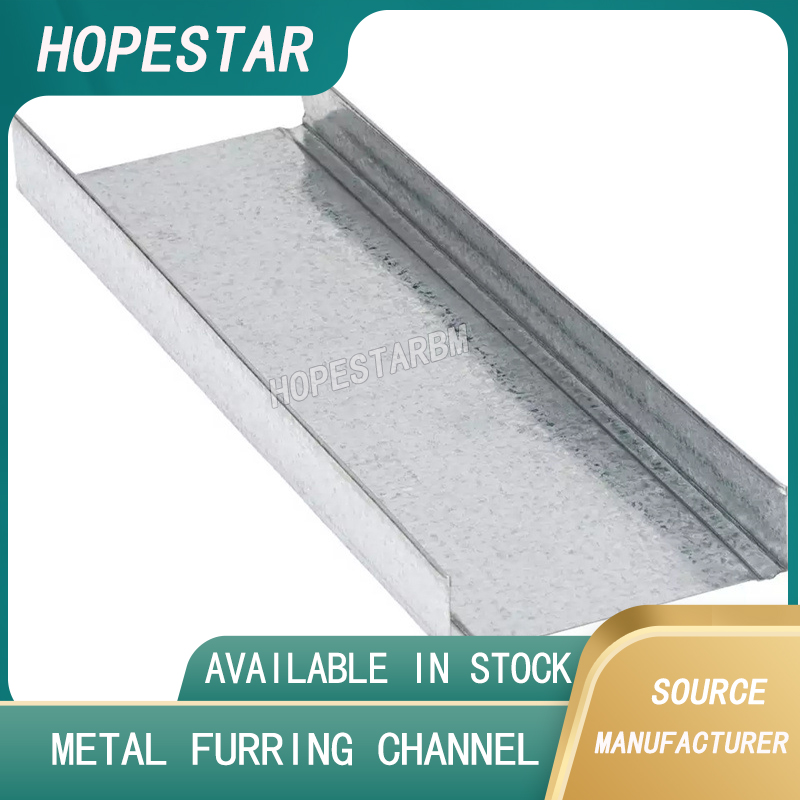
Metal furring channel for ceiling is a vital secondary framing component widely used in suspended ceiling and drywall ceiling systems. Roll-formed from cold-rolled galvanized steel, this lightweight metal profile works together with main channels, hangers and wall angles to create a level,
Metal Furring Channel for Ceiling – Galvanized Secondary Framing for Suspended Drywall Ceilings

Metal omega channel, also widely called omega furring channel or hat channel, is an indispensable secondary metal framing profile for modern suspended ceilings and drywall wall furring systems. Named after its distinctive Ω shape, this profile is roll-formed from cold-rolled galvanized steel
Metal Omega Channel – Galvanized Omega Furring Channel for Drywall Ceiling and Wall Framing