
Comprehensive introduction metal furring sizes for ceiling
2024-05-23
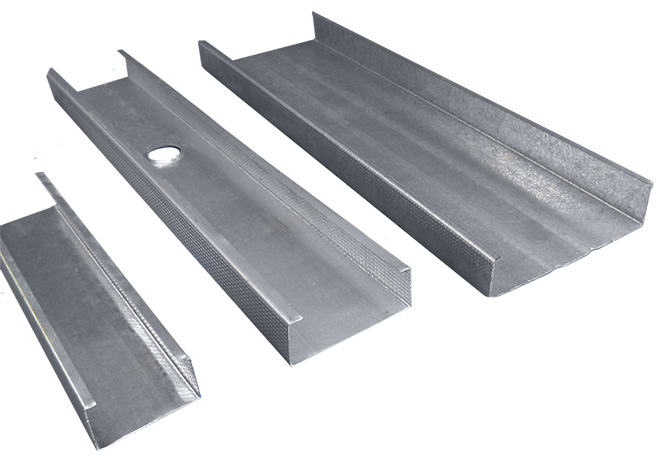
When discussing the size selection of metal furring, we first need to understand the basic structure of the ceiling system and the key role of metal furring in it. As an important component of the interior space of buildings, the ceiling system not only carries decorative and aesthetic functions, but also plays an indispensable role in structural support, sound insulation, heat insulation, and other aspects. The metal ceiling keel, as the skeleton of the ceiling system, its size selection directly affects the stability, load-bearing capacity, and overall aesthetics of the ceiling.
The size selection of metal ceiling keel needs to be comprehensively considered based on various factors such as the material, weight, span, and installation environment of the ceiling. Generally speaking, the size of the ceiling keel includes three aspects: width, thickness, and length.
Firstly, the width of the ceiling keel is a key factor affecting its load-bearing capacity. A wider keel can provide a larger support area, thereby dispersing the weight of the ceiling and enhancing its stability. However, excessively wide keels can also lead to material waste and installation difficulties. Therefore, when selecting the width of the ceiling keel, it is necessary to make a reasonable combination based on the material and weight of the ceiling.
Secondly, the thickness of the ceiling keel is also an important factor affecting its load-bearing capacity and stability. Thicker keel has higher strength and stiffness, which can better resist deformation and vibration. However, excessively thick keels can also increase material costs and installation difficulties. Therefore, when selecting the thickness of the ceiling keel, it is necessary to comprehensively consider factors such as the span of the ceiling, the usage environment, and the load-bearing requirements.
Finally, the length of the ceiling keel needs to be customized according to the actual needs of the ceiling. Long keels may cause inconvenience in installation, while short keels require additional splicing nodes, affecting the overall aesthetics and stability of the ceiling. Therefore, when selecting the length of the ceiling keel, it is necessary to plan reasonably based on the layout and size of the ceiling.
In addition to the size factors mentioned above, the selection of metal ceiling keel also needs to consider factors such as material, surface treatment, and connection method. High quality metal materials and good surface treatment can enhance the corrosion resistance and aesthetics of the ceiling keel, while a reasonable connection method can ensure the stability and safety of the ceiling system.
In practical applications, the size selection of metal ceiling keel needs to be customized according to specific project requirements. Designers and construction personnel need to comprehensively consider factors such as the material, weight, span, and installation environment of the ceiling, and choose the appropriate size of the ceiling keel. At the same time, attention should also be paid to the coordination between the ceiling keel and the ceiling panel to ensure that the overall performance of the ceiling system reaches its optimal state.
In addition, with the continuous development of modern building technology, the types and specifications of metal ceiling keel are also constantly updated and improved. The new metal ceiling keel not only has higher load-bearing capacity and stability, but also has better aesthetics and environmental performance. Therefore, when choosing metal ceiling keel, we should also pay attention to new products and technological trends in the market, in order to provide higher quality and efficient ceiling solutions for the project.
In summary, the size selection of metal ceiling keel is a process that comprehensively considers multiple factors. By selecting reasonable size parameters such as width, thickness, and length of the ceiling keel, combined with factors such as high-quality materials, surface treatment, and connection methods, we can create a stable, beautiful, and efficient ceiling system, providing high-quality decoration and support functions for the interior space of the building.
The size selection of metal ceiling keel needs to be comprehensively considered based on various factors such as the material, weight, span, and installation environment of the ceiling. Generally speaking, the size of the ceiling keel includes three aspects: width, thickness, and length.
Firstly, the width of the ceiling keel is a key factor affecting its load-bearing capacity. A wider keel can provide a larger support area, thereby dispersing the weight of the ceiling and enhancing its stability. However, excessively wide keels can also lead to material waste and installation difficulties. Therefore, when selecting the width of the ceiling keel, it is necessary to make a reasonable combination based on the material and weight of the ceiling.
Secondly, the thickness of the ceiling keel is also an important factor affecting its load-bearing capacity and stability. Thicker keel has higher strength and stiffness, which can better resist deformation and vibration. However, excessively thick keels can also increase material costs and installation difficulties. Therefore, when selecting the thickness of the ceiling keel, it is necessary to comprehensively consider factors such as the span of the ceiling, the usage environment, and the load-bearing requirements.
Finally, the length of the ceiling keel needs to be customized according to the actual needs of the ceiling. Long keels may cause inconvenience in installation, while short keels require additional splicing nodes, affecting the overall aesthetics and stability of the ceiling. Therefore, when selecting the length of the ceiling keel, it is necessary to plan reasonably based on the layout and size of the ceiling.
In addition to the size factors mentioned above, the selection of metal ceiling keel also needs to consider factors such as material, surface treatment, and connection method. High quality metal materials and good surface treatment can enhance the corrosion resistance and aesthetics of the ceiling keel, while a reasonable connection method can ensure the stability and safety of the ceiling system.
In practical applications, the size selection of metal ceiling keel needs to be customized according to specific project requirements. Designers and construction personnel need to comprehensively consider factors such as the material, weight, span, and installation environment of the ceiling, and choose the appropriate size of the ceiling keel. At the same time, attention should also be paid to the coordination between the ceiling keel and the ceiling panel to ensure that the overall performance of the ceiling system reaches its optimal state.
In addition, with the continuous development of modern building technology, the types and specifications of metal ceiling keel are also constantly updated and improved. The new metal ceiling keel not only has higher load-bearing capacity and stability, but also has better aesthetics and environmental performance. Therefore, when choosing metal ceiling keel, we should also pay attention to new products and technological trends in the market, in order to provide higher quality and efficient ceiling solutions for the project.
In summary, the size selection of metal ceiling keel is a process that comprehensively considers multiple factors. By selecting reasonable size parameters such as width, thickness, and length of the ceiling keel, combined with factors such as high-quality materials, surface treatment, and connection methods, we can create a stable, beautiful, and efficient ceiling system, providing high-quality decoration and support functions for the interior space of the building.
Application and advantages of shock-absorbing light steel keel
Comprehensive analysis drywall corner tape with metal
Related Article

Ceiling wall angle, also known as perimeter angle or L-angle, is an indispensable L-shaped metal profile for suspended drywall ceiling systems. Roll-formed from cold-rolled galvanized steel, ceiling wall angle is fixed along the wall perimeter to support the ends of main channels and furring channels,
Ceiling Wall Angle – Galvanized L-Shaped Perimeter Trim for Suspended Drywall Ceilings
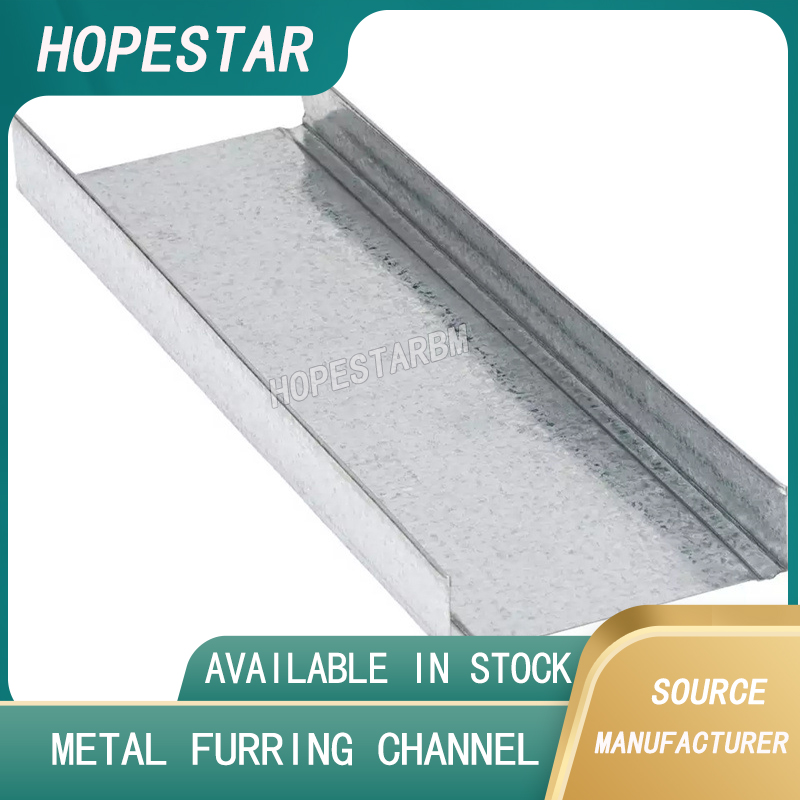
Galvanized steel profiles are the foundational metal framing components widely used in modern interior construction. Roll-formed from cold-rolled steel coated with protective zinc layer, galvanized steel profiles cover a full range of shapes including C studs, U tracks, omega channels,
Galvanized Steel Profiles – Reliable Cold Rolled Framing for Drywall Walls and Ceilings

Metal furring channel for ceiling is a vital secondary framing component widely used in suspended ceiling and drywall ceiling systems. Roll-formed from cold-rolled galvanized steel, this lightweight metal profile works together with main channels, hangers and wall angles to create a level,
Metal Furring Channel for Ceiling – Galvanized Secondary Framing for Suspended Drywall Ceilings

Metal omega channel, also widely called omega furring channel or hat channel, is an indispensable secondary metal framing profile for modern suspended ceilings and drywall wall furring systems. Named after its distinctive Ω shape, this profile is roll-formed from cold-rolled galvanized steel
Metal Omega Channel – Galvanized Omega Furring Channel for Drywall Ceiling and Wall Framing