
Comprehensive analysis of the specifications and dimensions of Australian light steel keel
2024-05-08
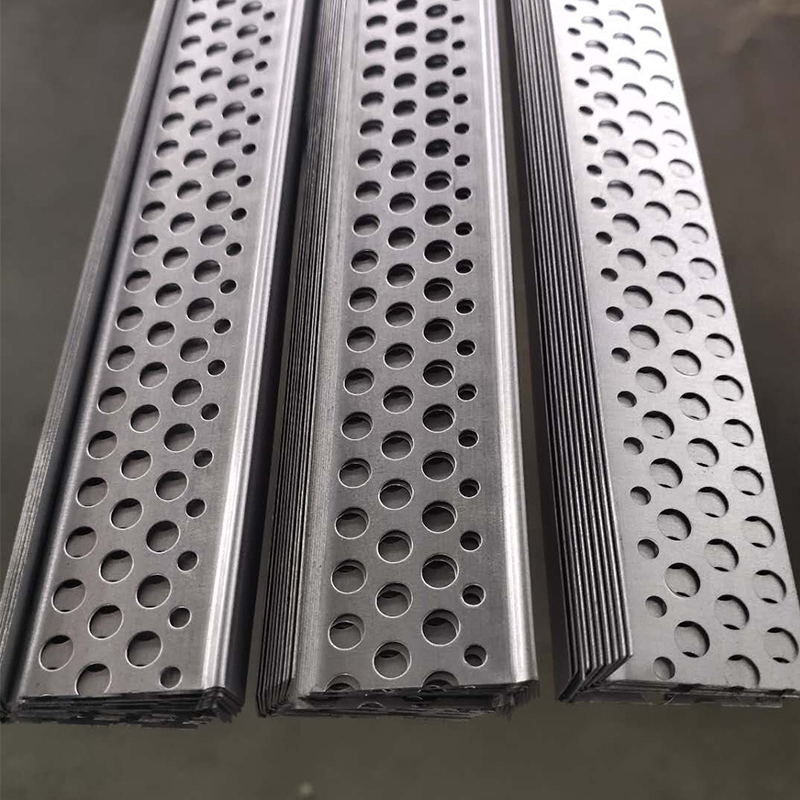
Australian light steel keel, as an efficient and environmentally friendly building material, has been widely used in the modern construction industry. It has a variety of specifications and is suitable for different types of building structures and decoration needs. This article will provide a detailed introduction to the specifications of Australian light steel keel to help readers better understand and apply this high-quality building material.
1、 The main specifications of Australian light steel keel
The main specifications of Australian light steel keel include its cross-sectional shape, size, and thickness. According to the different cross-sectional shapes, light steel keel is mainly divided into two types: C-shaped steel and U-shaped steel. C-shaped steel keel has strong load-bearing capacity and stability, and is suitable for the construction of load-bearing structures such as walls and ceilings; U-shaped steel keel is more suitable for decoration of non load-bearing parts such as ceilings and partitions.
In terms of size, there are various specifications for the length, width, and height of Australian light steel keel to choose from. The length is generally customized according to the actual needs of the building, and the common length range is between 2 meters and 6 meters. The width and height vary depending on the load-bearing capacity of the keel and the different usage scenarios to meet the needs of different building structures.
In addition, the thickness of Australian light steel keel is also an important parameter in its specifications. The choice of thickness directly affects the load-bearing capacity and service life of the keel. Generally speaking, the thicker the keel, the stronger its load-bearing capacity, but it will also increase construction costs. Therefore, when selecting the thickness of the keel, it is necessary to comprehensively consider factors such as the building's usage requirements, load-bearing capacity, and economic cost.
2、 Application scope of Australian light steel keel
Australian light steel keel is widely used in various construction and decoration projects due to its unique advantages. In terms of architecture, it is mainly used for the construction of load-bearing structures such as walls, ceilings, and floors. Its high strength and good stability make buildings more sturdy and durable, while reducing the use of traditional brick and tile materials and lowering construction costs.
In terms of decoration, Australian light steel keel is widely used in non load-bearing parts such as suspended ceilings, partitions, and wall decorations. Its diverse cross-sectional shapes and sizes make the decorative effect more beautiful and generous, while being easy to install and maintain. In addition, light steel keel also has good performance in fire prevention, moisture prevention, corrosion resistance, etc., making the building safer and more reliable.
3、 The advantages and prospects of Australian light steel keel
Australian light steel keel, as a new type of building material, has many significant advantages. Firstly, it has high load-bearing capacity and stability, which can meet the needs of different building structures. Secondly, the installation of light steel keel is simple and fast, greatly shortening the construction period. In addition, it also has good environmental performance, can be recycled and reused, and reduces the impact of construction waste on the environment.
With the increasing attention to green buildings and sustainable development, Australian light steel keel, as an environmentally friendly and efficient building material, has a very broad application prospect. In the future, with the continuous advancement of technology and the expansion of the market, Australian light steel keel will play a more important role in the construction industry.
In summary, Australian light steel keel, as a high-quality building material, has been widely used in the construction industry. Its diverse specifications and excellent performance make the building more sturdy, durable, and aesthetically pleasing. With the continuous promotion of green buildings and sustainable development, the application prospects of Australian light steel keel will be even broader.
1、 The main specifications of Australian light steel keel
The main specifications of Australian light steel keel include its cross-sectional shape, size, and thickness. According to the different cross-sectional shapes, light steel keel is mainly divided into two types: C-shaped steel and U-shaped steel. C-shaped steel keel has strong load-bearing capacity and stability, and is suitable for the construction of load-bearing structures such as walls and ceilings; U-shaped steel keel is more suitable for decoration of non load-bearing parts such as ceilings and partitions.
In terms of size, there are various specifications for the length, width, and height of Australian light steel keel to choose from. The length is generally customized according to the actual needs of the building, and the common length range is between 2 meters and 6 meters. The width and height vary depending on the load-bearing capacity of the keel and the different usage scenarios to meet the needs of different building structures.
In addition, the thickness of Australian light steel keel is also an important parameter in its specifications. The choice of thickness directly affects the load-bearing capacity and service life of the keel. Generally speaking, the thicker the keel, the stronger its load-bearing capacity, but it will also increase construction costs. Therefore, when selecting the thickness of the keel, it is necessary to comprehensively consider factors such as the building's usage requirements, load-bearing capacity, and economic cost.
2、 Application scope of Australian light steel keel
Australian light steel keel is widely used in various construction and decoration projects due to its unique advantages. In terms of architecture, it is mainly used for the construction of load-bearing structures such as walls, ceilings, and floors. Its high strength and good stability make buildings more sturdy and durable, while reducing the use of traditional brick and tile materials and lowering construction costs.
In terms of decoration, Australian light steel keel is widely used in non load-bearing parts such as suspended ceilings, partitions, and wall decorations. Its diverse cross-sectional shapes and sizes make the decorative effect more beautiful and generous, while being easy to install and maintain. In addition, light steel keel also has good performance in fire prevention, moisture prevention, corrosion resistance, etc., making the building safer and more reliable.
3、 The advantages and prospects of Australian light steel keel
Australian light steel keel, as a new type of building material, has many significant advantages. Firstly, it has high load-bearing capacity and stability, which can meet the needs of different building structures. Secondly, the installation of light steel keel is simple and fast, greatly shortening the construction period. In addition, it also has good environmental performance, can be recycled and reused, and reduces the impact of construction waste on the environment.
With the increasing attention to green buildings and sustainable development, Australian light steel keel, as an environmentally friendly and efficient building material, has a very broad application prospect. In the future, with the continuous advancement of technology and the expansion of the market, Australian light steel keel will play a more important role in the construction industry.
In summary, Australian light steel keel, as a high-quality building material, has been widely used in the construction industry. Its diverse specifications and excellent performance make the building more sturdy, durable, and aesthetically pleasing. With the continuous promotion of green buildings and sustainable development, the application prospects of Australian light steel keel will be even broader.
Introduction to the Five Advantages of Australian Light Steel Keel Ceiling
Analysis of the advantages of Australian light steel keel partition walls
Related Article

Ceiling wall angle, also known as perimeter angle or L-angle, is an indispensable L-shaped metal profile for suspended drywall ceiling systems. Roll-formed from cold-rolled galvanized steel, ceiling wall angle is fixed along the wall perimeter to support the ends of main channels and furring channels,
Ceiling Wall Angle – Galvanized L-Shaped Perimeter Trim for Suspended Drywall Ceilings
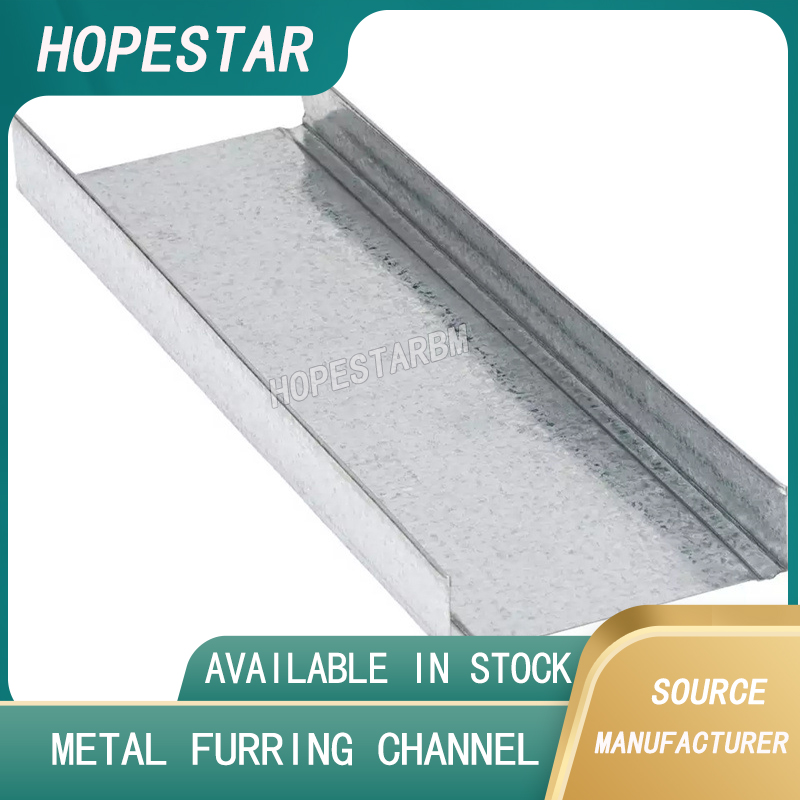
Galvanized steel profiles are the foundational metal framing components widely used in modern interior construction. Roll-formed from cold-rolled steel coated with protective zinc layer, galvanized steel profiles cover a full range of shapes including C studs, U tracks, omega channels,
Galvanized Steel Profiles – Reliable Cold Rolled Framing for Drywall Walls and Ceilings

Metal furring channel for ceiling is a vital secondary framing component widely used in suspended ceiling and drywall ceiling systems. Roll-formed from cold-rolled galvanized steel, this lightweight metal profile works together with main channels, hangers and wall angles to create a level,
Metal Furring Channel for Ceiling – Galvanized Secondary Framing for Suspended Drywall Ceilings

Metal omega channel, also widely called omega furring channel or hat channel, is an indispensable secondary metal framing profile for modern suspended ceilings and drywall wall furring systems. Named after its distinctive Ω shape, this profile is roll-formed from cold-rolled galvanized steel
Metal Omega Channel – Galvanized Omega Furring Channel for Drywall Ceiling and Wall Framing