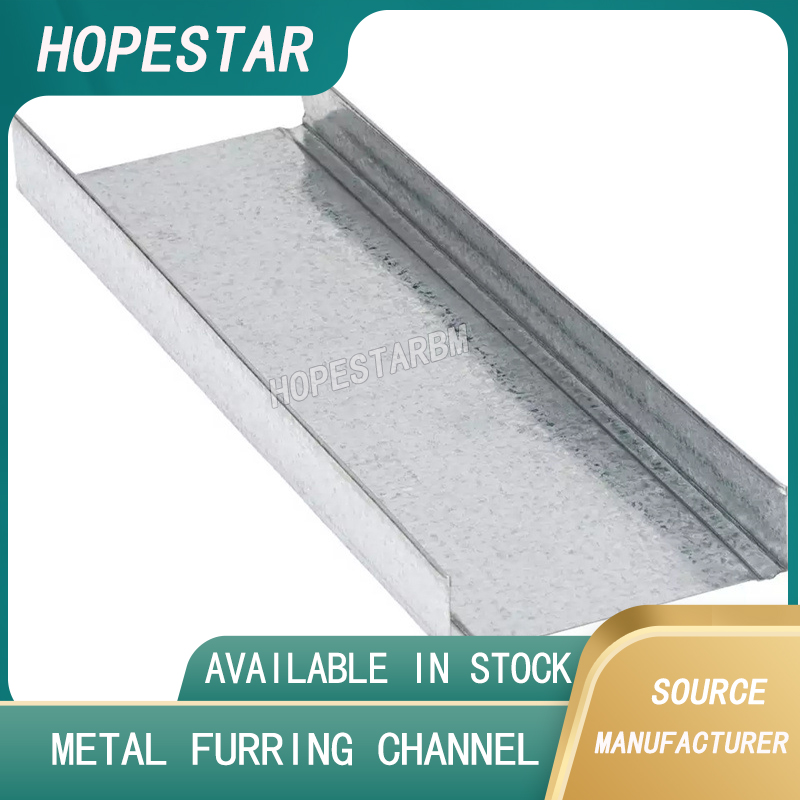
Common Metal Furring Channel Sizes
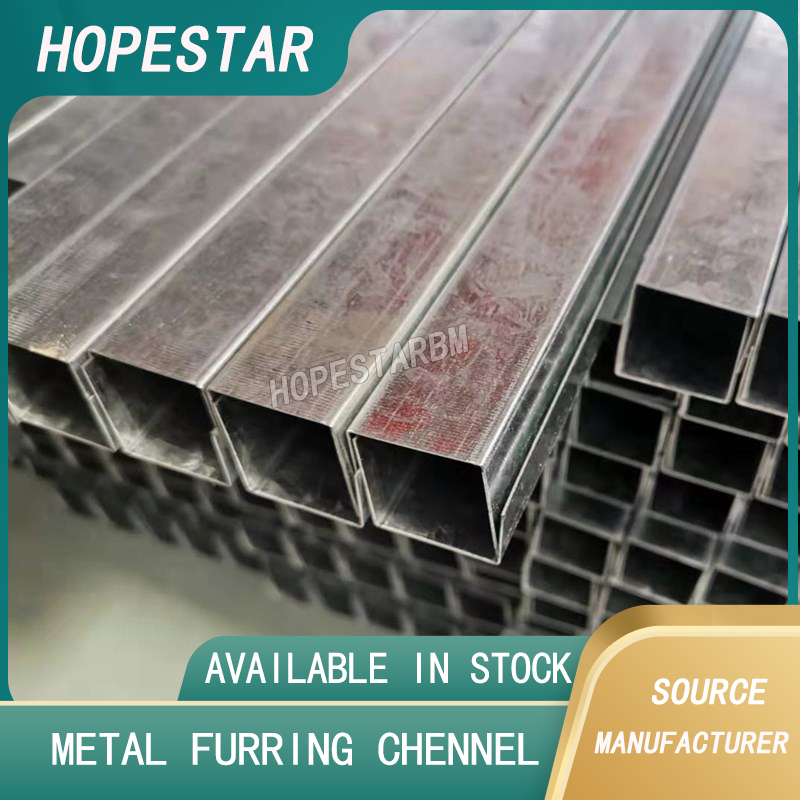
In the world of drywall and ceiling framing, metal furring channel sizes determine the strength, alignment, and durability of finished surfaces. These channels, often made from galvanized steel, create a stable base for attaching gypsum boards, acoustic panels, or cladding. Selecting the correct size ensures that a project meets both structural and aesthetic requirements.
What Are Metal Furring Channels?
Metal furring channels are lightweight framing components designed to level uneven surfaces and provide support for wall and ceiling systems. They are corrosion-resistant, easy to install, and compatible with a variety of construction materials. The profiles are shaped in a way that allows fast attachment to studs or main channels using clips or screws.
Common Metal Furring Channel Sizes
The industry offers a wide range of metal furring channel sizes to suit different applications. While standards vary by region, typical specifications include:
-
Width: 16 mm – 75 mm
-
Height: 25 mm – 38 mm
-
Thickness: 0.4 mm – 1.2 mm
-
Length: 2.4 m – 4 m (custom lengths available)
For residential ceilings, 50×25 mm is common, while larger commercial installations may use 68×38 mm or heavier gauges for higher load capacity.
Why Size Matters
Each dimension affects the performance of the framing system:
-
Load Bearing: Thicker channels support heavier boards and reduce deflection.
-
Span Distance: Longer spans need taller or stronger profiles to prevent sagging.
-
Acoustic Control: Proper sizing helps absorb vibration and improve sound insulation.
-
Installation Efficiency: Standardized sizes fit accessories such as clips and hangers, speeding up assembly.
Choosing the right size can prevent cracking, reduce maintenance, and extend the life of the structure.
Applications Across Building Types
Metal furring channels are used in:
-
Drywall partitions and ceilings
-
Cladding for concrete or masonry walls
-
Soundproofing and fire-rated rooms
-
Commercial interiors and renovation projects
Their versatility and ease of cutting make them ideal for both new builds and refurbishments.
Selecting the Best Size for Your Project
Before ordering, consider the room height, board thickness, and environmental conditions. For humid areas, opt for thicker galvanized coatings to resist corrosion. In sound-sensitive spaces, use profiles that balance rigidity with vibration control. Always coordinate channel sizes with compatible studs, screws, and brackets to ensure system integrity.
Conclusion
Proper understanding of metal furring channel sizes is key to achieving strong, stable, and visually perfect ceilings or walls. From small residential rooms to large commercial structures, the right combination of width, height, and thickness ensures lasting performance and cost-efficient installation. Contractors and designers who pay attention to size selection ultimately deliver better, safer, and more durable construction results.
What Is Metal Corner Bead?Advantages of Metal Corner Bead
Metal Building Hat Channel: Reliable Support for Walls and Roofing Systems
Related Article